

This week, the government's capability to manage drones identified as threats within the United States has come under scrutiny following an incident involving a laser system aimed at downing drones near the Texas-Mexico border. This situation, which led to the sudden closure of airspace over El Paso, has raised significant concerns about inter-agency communication and coordination.
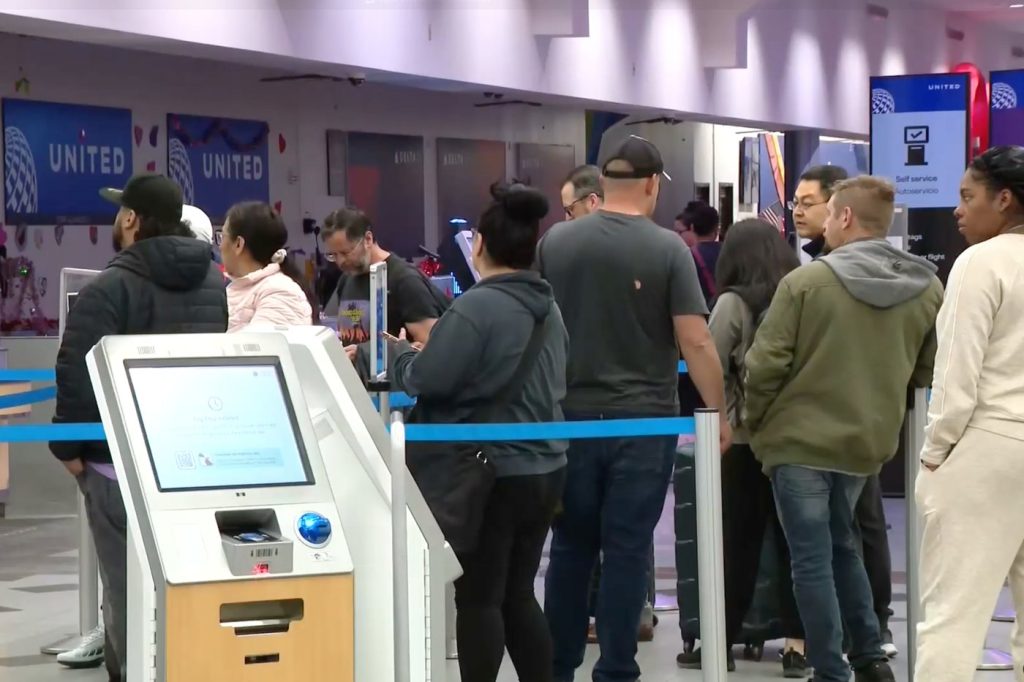
Although the precise details surrounding the Federal Aviation Administration's (FAA) decision to ground all aircraft in the El Paso area remain unclear, sources familiar with the incident indicated that U.S. Customs and Border Protection deployed the laser without adequate consultation with the FAA. This led to a precautionary shutdown of the airspace due to fears regarding the safety of the laser system in proximity to commercial flights. Initially anticipated to last for 10 days, the restrictions were lifted just a few hours later.
U.S. Secretary of Homeland Security, Kristi Noem, commented on the situation, stating that involved agencies are actively working to address communication concerns that resulted in the cancellation of over a dozen flights, leaving many travelers in disarray. “This was a joint agency task force mission that was undertaken and we’re continuing to work on the communication through that,” said Noem.
Drone warfare expert Brett Velicovich pointed out that the events in Texas beg serious questions regarding the United States' readiness to confront a substantial drone threat. He emphasized the need for clearer authority regarding which agency is in charge and called for removal of bureaucratic obstacles. “We need to simplify the authorities for who is really in charge and get these egos out of the way from these different agencies before an American gets hurt,” Velicovich remarked.
Drones are increasingly recognized as potential threats in various contexts. Reports indicate that armed drones are currently executing attacks in Ukraine, whereas drug cartels are utilizing drones for drug deliveries across the U.S.-Mexico border. In fact, officials informed Congress that over 27,000 drones were tracked within 1,600 feet of the southern border during the last six months of 2024.
In response to these threats, the government has allocated $250 million in grants to the 11 states that will host World Cup matches this summer to bolster drone threat preparedness. An additional $250 million is slated to be distributed later this year for enhancing drone defense mechanisms nationwide.
Concerns surrounding the risk drones pose to aircraft have heightened alongside a notable rise in near-miss incidents at airports. The Department of Homeland Security estimates that there are more than 1.7 million registered drones in the U.S., with this number on the rise. Larger drone models are mandated to possess a radio transponder that helps identify their owners and broadcast their positions to prevent collisions. In urban areas, cities can invest in added sensors around stadiums, improving detection capabilities for drones in critical locations.
Counter-drone systems often employ radio signals to disrupt drone operations or force them to land safely. Moreover, the government is exploring high-powered microwaves and laser beam technologies, likely the same type that caused the incident in Texas, capable of disabling problematic drones. Alternative methods include deploying small drones to intercept and collide with threats or using firearms to shoot them down.
Michael Robbins, CEO of the Association for Uncrewed Vehicle Systems International, stated that while many anti-drone technologies are prevalent in warzones, efforts are underway to distribute these systems more widely among law enforcement across the country. He noted, “It’s our belief that this is important technology that when responsibly used with proper oversight and intensive training will help to mitigate unsafe or malicious drones in the very rare instances where that needs to occur.”
Concerns from the aviation sector persist about the dangers posed by drones. Capt. Dennis Tajer, a spokesman for the Allied Pilots Association, expressed uncertainty regarding the risks associated with the counter-drone technology due to scant details released about the Texas incident. However, he voiced greater concern about potential collisions between passenger jets and drones, likening it to the deadly accident a year ago when an American Airlines jet collided with an Army helicopter, resulting in the deaths of 67 individuals. “We’ve got to keep those two pieces of metal away from each other,” Tajer urged.








