

ROXTON POND – At the Côté et fils maple farm in Quebec's Eastern Townships, visitors are welcomed by a wall of screens displaying views from multiple security cameras. These cameras monitor an elaborate network of tubes and troughs that fill with clear, foamy maple sap. Inside the production area, noise-cancelling headphones are necessary due to the loud hum of machines that transform thousands of liters of sap into syrup daily.
Mikael Ruest, a family member associated with the business, reflects on how this modern operation diverges from traditional images of maple production, such as buckets and horse-drawn sleds. “It’s a 2.0 version of a maple shack,” he explained in an interview. He acknowledges that while the family aspect remains, the operation heavily incorporates advanced technology and automation, emphasizing optimization and monitoring to address issues like leaks in the tubing system.
With the global demand for maple syrup surging, Quebec's maple industry is evolving rapidly. Ruest notes that the business has invested significantly to increase both production and profitability, including running underground pipes, implementing high-tech monitoring systems, and purchasing electric evaporators costing around $250,000 each, partly funded by sustainability subsidies. These advancements allow for efficient monitoring of sap collection and immediate alerts for any issues.
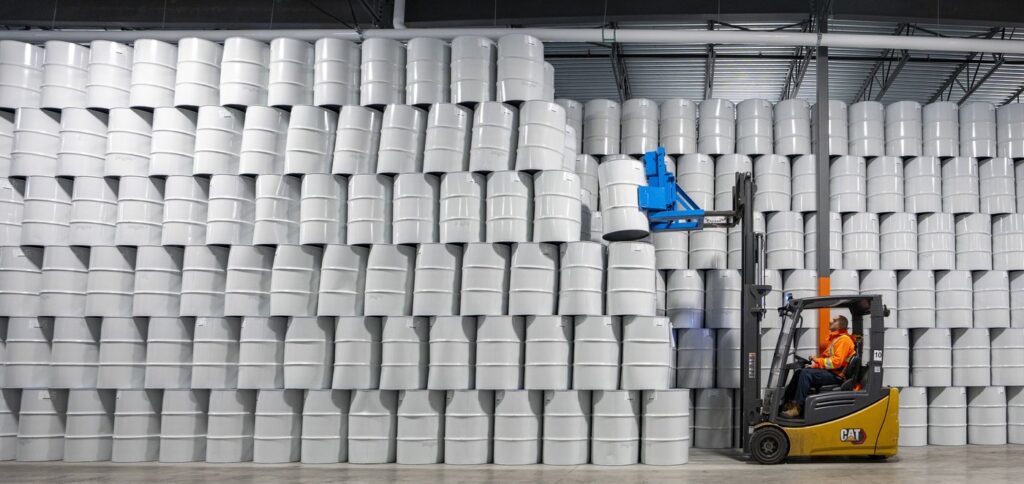
The farm utilizes 25 pumping stations to transport the collected sap through underground pipes to a warehouse. The sap undergoes filtration and reverse osmosis to remove excess water before the boiling process, reducing time and increasing efficiency. After boiling, the syrup is further filtered before being packaged for sale.
Joël Vaudeville, communications director with the provincial maple producers’ association, highlights the significance of the syrup industry in Quebec, which exports approximately $800 million annually. He reports a 19 percent increase in international demand over the past year, requiring the province to tap into its strategic syrup reserves to balance the supply and demand effectively.
In 2025, the association authorized the addition of seven million new taps to existing trees, which could yield an additional 20 million pounds of syrup annually by 2028. Furthermore, over 600 new maple businesses have emerged recently, indicating growth in the sector.
Émilie Blondeau, a newer producer who established ShackHam Maple Farm in 2024, represents this trend. With around 10,000 taps in her sugarbush, Blondeau emphasizes both practical and emotional motives for entering the maple business. She appreciates the stability provided by the collective marketing system established by the association, which sets a floor price for syrup, creating a level of predictability rare in agricultural markets.
Blondeau, who has a background in agricultural economics, values the heritage of maple production and its tradition of family-run operations. Her family's involvement in the business enhances the sense of unity, as her children grow up surrounded by nature. While she invested in all necessary equipment herself, others may choose to lease their land and taps or sell their sap to larger producers like Côté et fils.
Ruest mentioned that when Michel Côté purchased the business in 2007, it had about 42,000 taps. Today, as he plans to pass the business to the next generation, the farm operates around 150,000 taps—85,000 owned outright by the business, with others sourced from leased lands or purchased sap. The company also serves as a boiling center for new producers lacking sufficient equipment to process their syrup.
This collaborative model allows aspiring producers to begin earning revenue while saving for their setup, a practice that didn’t exist a decade or so ago. Despite the increase in taps and new producers, Vaudeville cautions that a steady syrup supply isn’t guaranteed due to dependency on both the right trees and suitable weather conditions, such as the necessity for warmer days and freezing nights. Climate change further complicates matters, creating uncertainties in syrup production seasons. However, it might also elevate market opportunities for areas losing their traditional syrup production due to warming temperatures.
Overall, Quebec maintains a commanding lead in global syrup production, accounted for approximately 72 percent of the market. Despite the export nature of the syrup industry—85 percent of production destined for international markets—current U.S. tariffs have not yet noticeably impacted business operations. As producers and industry representatives prepare for the 2026 syrup season, weather conditions appear favorable, but the intricacies of production ultimately rest in the hands of nature.








