

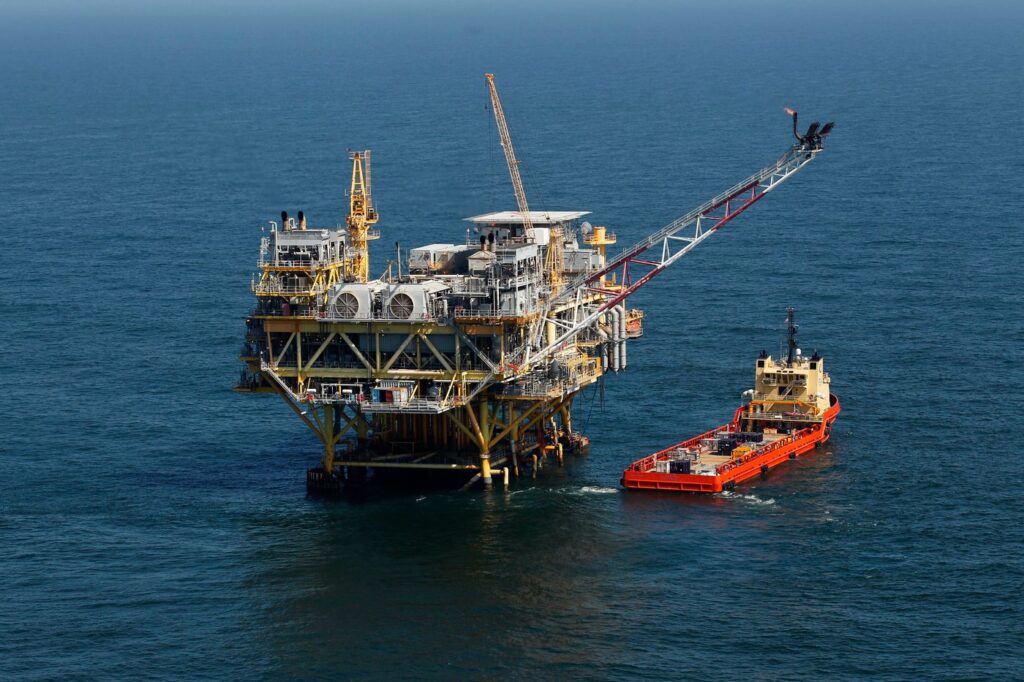
A federal judge ruled on Friday that the Trump administration can proceed with a meeting next week to seek an exemption from the Endangered Species Act (ESA) to allow for expanded oil and gas drilling in the Gulf of Mexico, citing national security concerns. District of Columbia District Judge Rudolph Contreras dismissed the Center for Biological Diversity's request to postpone the Interior Department's scheduled meeting of the Endangered Species Committee.
The committee is set to convene on Tuesday to discuss a potential exemption from laws that protect endangered species, which prohibits actions that may harm or kill species listed as threatened, unless there are no viable alternatives. Defense Secretary Pete Hegseth has invoked national security to justify this request amid rising global energy prices exacerbated by the ongoing U.S.-Iran conflict.
In a memo to Interior Secretary Doug Burgum, Hegseth called for an exemption for “all Gulf of America oil and gas exploration and development activities” supervised by federal agencies. This meeting is especially contentious as it comes at a time when the world grapples with energy price shocks. Environmental groups have raised alarms over the potential implications for endangered species, particularly the Rice’s whale, of which only about 50 individuals remain in the Gulf.
The Endangered Species Committee, often referred to by environmentalists as the “God Squad,” is composed of six senior federal officials and a representative from affected states. This committee has met only three times in its nearly 50-year history, and the national security exemption has never been previously invoked. The Center for Biological Diversity has argued that the initial legal requirements to convene the committee have not been met and expressed concerns that the government's actions could lead to irreparable harm.
Government attorneys countered in court that the exemption decision has yet to be made, contending that the environmental group's claims were premature. The judge ultimately found that the Center for Biological Diversity did not satisfy the stringent criteria necessary for a temporary restraining order.
Brett Hartl, government affairs director at the Center for Biological Diversity, expressed disappointment with the ruling, criticizing the decision as a “reckless power grab” by Hegseth. He announced plans for a protest outside the Department of the Interior as the committee convenes, expressing determination to return to court to protect the Rice's whale and the marine wildlife of the Gulf from oil industry actions that could compromise their survival.
The Interior Department has not yet responded to requests for comment regarding the planned meeting. Environmental advocates argue that the administration is attempting to circumvent the rigorous review process usually required for Endangered Species Act exemptions. They fear that granting such an exemption could set a dangerous precedent for future fossil fuel projects.
The Gulf of Mexico has a troubled history with oil-related environmental disasters. Recently, an oil spill originating from a vessel spread over 373 miles, affecting at least six species and contaminating several protected natural reserves. Furthermore, the Deepwater Horizon spill in 2010 is infamously known for releasing 134 million gallons of oil, which devastated local ecosystems. Just weeks before this ruling, the administration had approved a new $5 billion ultra-deepwater drilling project in the Gulf.
As tension continues between environmental concerns and national security claims surrounding energy needs, the upcoming meeting and its outcomes are poised to have significant implications for both wildlife conservation and the future of oil drilling in the Gulf.








