

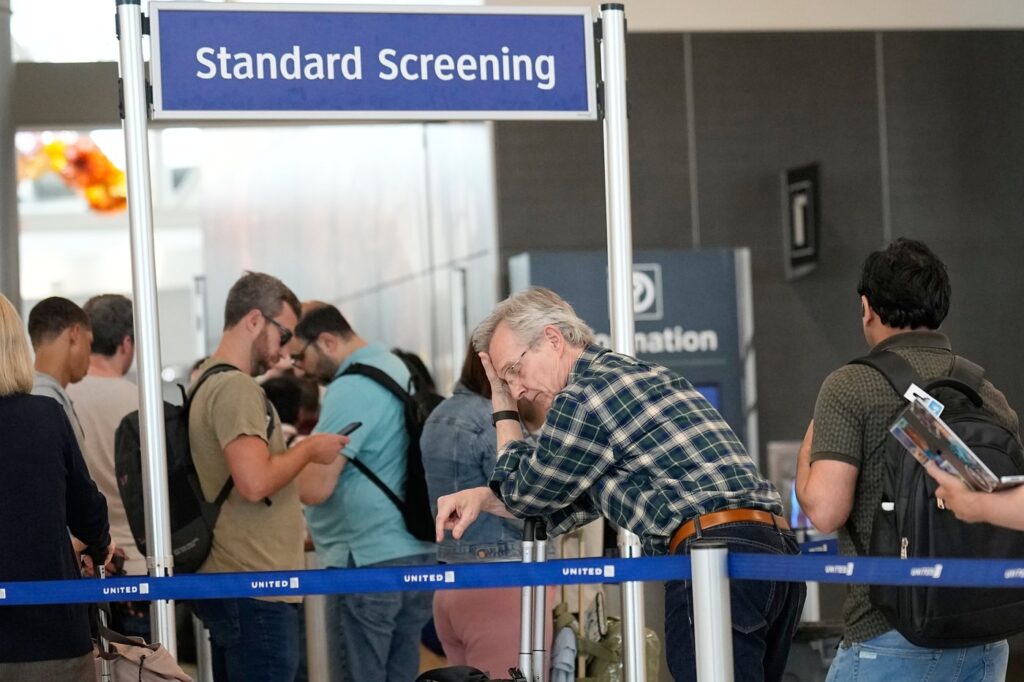
As spring break unfolds across the United States, travelers at major airports continue to face significant delays amid long security lines. This situation follows President Donald Trump’s recent executive order aimed at alleviating these issues by ensuring timely payments to Transportation Security Administration (TSA) officers.
Trump's executive order, signed on a busy Friday just before the spring break rush, mandated that the Department of Homeland Security pay TSA officers immediately. However, the timeline for the actual impact at airports remains uncertain. With the combination of spring breaks for school districts and colleges and the upcoming Passover and Easter holidays, air travel demand is expected to remain high.
Current reports from travelers indicate a mixed experience with security line delays. Passengers with early flights on Saturday reported relatively short wait times at airport security. However, this was not the case for many others, particularly at busy airports where social media posts hinted that security lines were rapidly becoming longer as the day progressed.
Baltimore-Washington International Airport acknowledged the unprecedented security wait times experienced that morning, encouraging travelers to arrive at least four hours prior to their scheduled departures. This recommendation underscores the growing concern over TSA staffing and long wait times.
According to Homeland Security Secretary Markwayne Mullin, TSA employees could expect to receive their back pay as soon as Monday, offering some relief to personnel who have not been compensated since February 14. While this news is welcome, there are doubts about whether the payment will lead to immediate improvements at airports. Former TSA officer Caleb Harmon-Marshall, who runs a travel newsletter, indicated that restoring confidence among employees about stable pay is crucial to resolving the staffing crisis.
Harmon-Marshall estimates that extended wait times could persist for an additional week or two, as TSA officers may remain hesitant to return to work if they lack assurances against more missed paychecks. This uncertainty complicates the situation and leads to speculation about how quickly airports can alleviate current delays.
As airports assess their staffing and management strategies to tackle the surge in passenger volume, they face difficult decisions regarding the reopening of checkpoints and the reinstatement of expedited service lanes that had been closed due to staffing shortages. Reports reveal alarming call-out rates, with 40% of TSA officers missing work at some airports, contributing to a national average of over 11.8% absenteeism among TSA staff, the highest recorded during this period.
For travelers looking to monitor wait times before their flights, experts recommend checking official airport websites and social media platforms for real-time updates. Many airports have begun to advise passengers to allocate at least four hours for both domestic and international screenings. Airport authorities, including John F. Kennedy International Airport in New York, have warned travelers that wait times may fluctuate depending on passenger volume and TSA staffing levels.
While the MyTSA mobile app provides some information on wait times, it has been noted that these may not be accurate during the ongoing shutdown, as TSA management is not actively managing the data. Additionally, third-party websites that track TSA lines may provide outdated estimates based on publicly available information.
The situation remains fluid as travelers navigate their journeys during a busy travel season while grappling with prolonged security line delays and uncertainty regarding TSA staffing and pay issues.








