

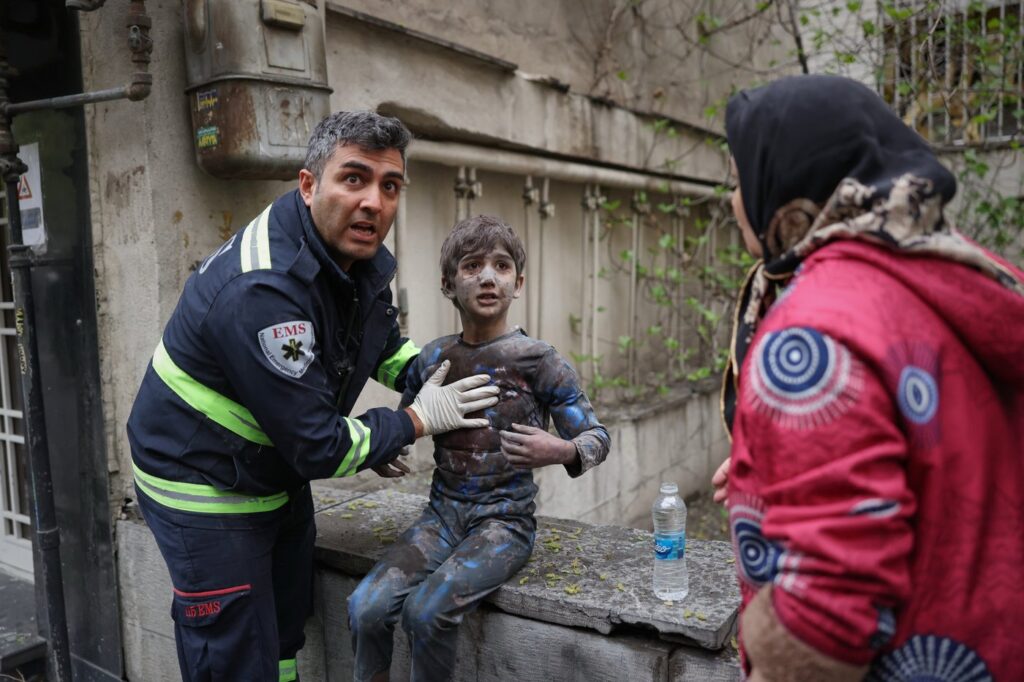
DUBAI, United Arab Emirates (AP) — Iranian-backed Houthi rebels have officially joined the ongoing conflict in the Middle East, launching two missile strikes against Israel. This escalation coincides with the arrival of approximately 2,500 U.S. Marines in the region, as regional powers, including Pakistan, plan to convene on Sunday to seek solutions to halt the war.
The war, having lasted for a month, is causing significant disruptions to global oil and natural gas supply chains, leading to fertilizer shortages and complicating air travel. Iran's control over the strategic Strait of Hormuz is impacting global markets and oil prices, with the U.S. and Israel conducting continued strikes against Iranian interests. The conflict has resulted in over 3,000 fatalities across the region.
Ukrainian President Volodymyr Zelenskyy also engaged with Gulf nations over the weekend, discussing military assistance and drone technologies to bolster Ukraine's defense capabilities.
The involvement of the Houthis raises concerns regarding global shipping security, particularly in the Bab el-Mandeb Strait, a crucial passage for approximately 12% of world trade. Analysts warn that if the Houthis escalate attacks on maritime vessels, it could trigger increases in oil prices and destabilize maritime security across the region.
In a recent development, Iran agreed to allow humanitarian aid and agricultural shipments passing through the Strait of Hormuz, following a United Nations request. However, U.S. President Donald Trump has set an ultimatum for Iran to resume operations in the strait by April 6.
Reports from Tehran indicate heavy airstrikes, while Israel's military claims to have targeted Iranian naval weapon production facilities, asserting that they will complete their operations against these sites in a matter of days. In retaliation, Iran has launched missiles towards Israel, with Gulf nations intercepting numerous missiles and drones.
On the ground, tensions continue to escalate. Two Israeli airstrikes early on Sunday in the Gaza Strip resulted in the deaths of six Palestinians, including three police officers. As Israel intensifies military efforts, they have confirmed the death of an Israeli soldier in southern Lebanon, bringing the total to five Israeli military personnel killed in the region since conflict with Hezbollah revitalized on March 2.
Houthi Brig. Gen. Yahya Saree announced the missile strikes against "sensitive Israeli military sites." Should these attacks on commercial shipping resume, experts predict that it would have far-reaching implications for the energy market and maritime security.
The Bab el-Mandeb Strait plays a pivotal role for vessels transiting to the Suez Canal via the Red Sea. Saudi Arabia is heavily reliant on this route as the Strait of Hormuz faces increasing restrictions.
The Houthis had previously targeted over 100 merchant vessels with missiles and drones, sinking two between November 2023 and January 2025, claiming solidarity with the Palestinian cause amid the Israel-Hamas conflict. Their latest moves could hinder the deployment of U.S. naval assets, such as the USS Gerald R. Ford, potentially exposing them to similar attacks experienced in previous years.
Diplomatic efforts to resolve the conflict are underway, with Pakistani Prime Minister Shehbaz Sharif hosting top diplomats from Saudi Arabia, Turkey, and Egypt for discussions. Although Iranian officials express skepticism toward U.S. diplomatic efforts, they continue negotiations to address hostilities in the region. Iranian Foreign Minister Abbas Araghchi has indicated the country's wariness about U.S. "unreasonable demands" and contradictory actions, while Pakistani Foreign Minister Ishaq Dar urges all involved parties to cease hostilities.
The U.S. military presence in the Middle East has reached its highest levels in over 20 years, with additional troops arriving to bolster security. Previously, U.S. troops were injured in Iranian attacks on Saudi Arabia's Prince Sultan Air Base, where Iranian missiles and drones targeted the facility, underscoring the risk to American forces in the region.
The reported death toll includes over 1,900 killed in Iran and at least 19 in Israel. In Lebanon, around 1,100 people have died due to ongoing Israeli operations, while security force casualties in Iraq have also escalated to 80. The conflict's ramifications extend deeply into the Gulf states and the occupied West Bank.








