

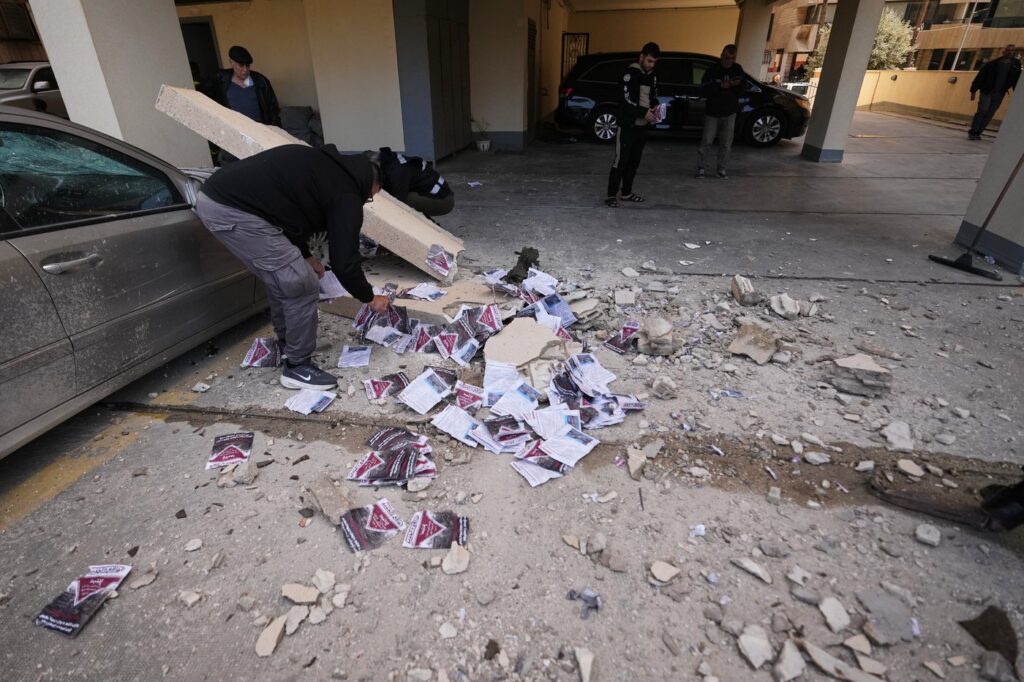
Regional powers are set to convene in Islamabad, Pakistan on Sunday to discuss measures aimed at ending the ongoing conflict in the Middle East. This meeting comes as approximately 2,500 U.S. Marines have arrived in the region, coinciding with the involvement of Iranian-backed Houthi rebels in the monthlong war.
Pakistan announced that top diplomats from Saudi Arabia, Turkey, and Egypt are expected to participate in the talks. Pakistani Prime Minister Shehbaz Sharif stated that he and Iranian President Masoud Pezeshkian engaged in "extensive discussions" regarding the regional hostilities that have escalated in recent weeks.
The conflict has had significant repercussions, threatening global oil and natural gas supplies, exacerbating fertilizer shortages, and disrupting air travel. Iran's strategic influence over the Strait of Hormuz has particularly unsettled global markets and pricing structures.
As tensions rise, the United States and Israel continue to launch strikes against Iran, which has responded with attacks targeting Israel and nearby Gulf states. The violence has resulted in more than 3,000 fatalities across the region, highlighting the human toll of this escalating crisis.
The entry of Houthi rebels into the fray poses further risks to international shipping routes, particularly if they resume targeting vessels in the Bab el-Mandeb Strait, a crucial passage for approximately 12% of global trade.
Incidents on Sunday morning contributed to an already tense situation. An Israeli soldier was reported killed, with three others wounded during combat in southern Lebanon. This fatality raises the toll to five Israeli soldiers who have died in southern Lebanon since the resurgence of hostilities with Hezbollah, which reignited following rocket fire into Israel on March 2.
In the Gaza Strip, Israeli airstrikes early Sunday resulted in the deaths of six Palestinians, including three policemen. Hospital authorities reported that one strike targeted a police checkpoint, while another hit a group in Khan Younis, indicating the ongoing violence in the region despite a ceasefire attempt made earlier in October.
In northern Iraq, explosions rocked Irbil as attacks were aimed at U.S. facilities. Reports from the area indicated that drones were intercepted, including one that targeted the U.S. consulate and nearby bases. The assaults were described as among the most intense since the conflict began, as Iran-aligned militias have escalated drone and missile strikes on U.S. bases within Iraq.
The United States condemned these attacks, labeling them "despicable terrorist actions" perpetrated by Iran's militant groups. A strike on the Kurdish regional President Nechirvan Barzani's residence was flagged as a direct attack on Iraq's sovereignty, although there were no casualties reported because the residence was empty at the time of the assault.
This series of events illustrates the complexity and volatility of the situation in the Middle East, as multiple nations and groups engage in a multifaceted conflict that threatens to destabilize the region further and disrupt international trade and security.








