

OTTAWA — A Uyghur rights activist has criticized the Canadian government's response to a recently enacted Chinese law aimed at enforcing ethnic unity, deeming it insufficient and not reflective of Canada’s commitment to combat transnational repression.
The law, which was implemented by Beijing, allows for the prosecution of individuals or organizations outside of China if their actions are perceived to threaten the country's goal of maintaining "ethnic unity." The Chinese government claims that this legislation is intended to foster harmony among the 55 ethnic groups that reside in China, which represent just under nine percent of the nation’s population of approximately 1.4 billion people.
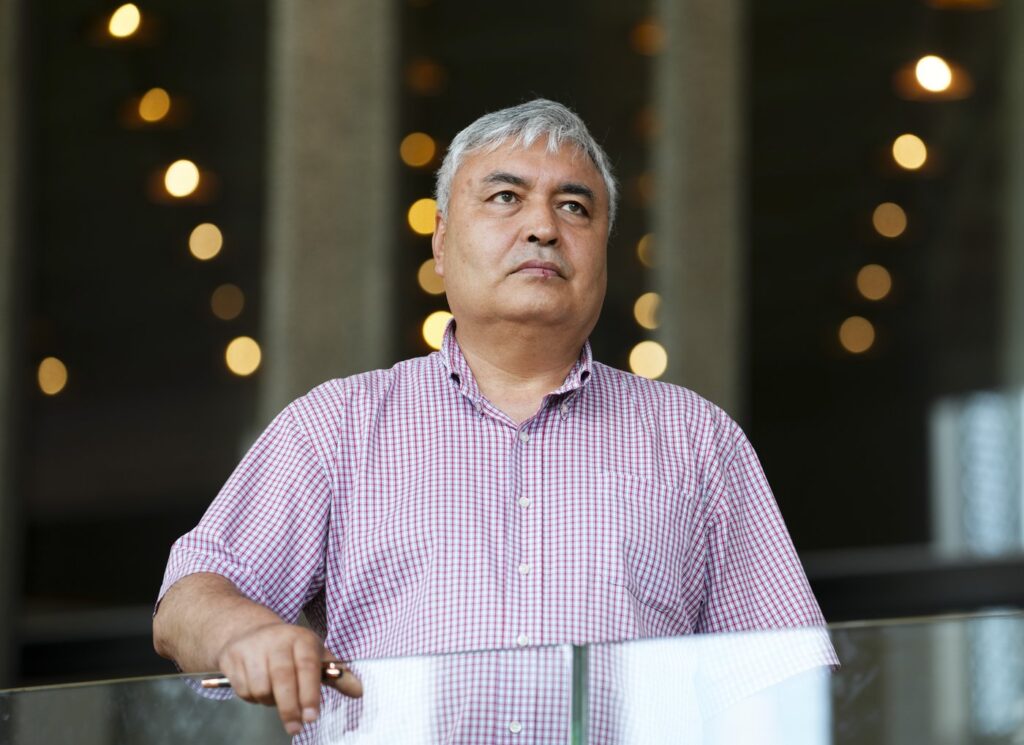
Canada's representative at the United Nations Human Rights Council expressed Ottawa’s concerns regarding the new law, emphasizing the importance of respecting minority rights. However, this statement has been labeled as a “weak” and “vague” response by Mehmet Tohti, the head of the Uyghur Rights Advocacy Project. Tohti argues that merely issuing a statement is inadequate, especially considering that the Carney government prioritized addressing transnational repression when it hosted the G7 summit in 2025.
Tohti's apprehension reflects a broader concern among activists that Canada is not taking the necessary steps to address the implications of China’s aggressive stance on ethnic issues, particularly in relation to the Uyghur population. This group has faced significant repression under Chinese rule, and activists have long urged Western nations to take a stronger stand against Beijing’s human rights abuses.
As the situation evolves, the pressure on the Canadian government to take decisive actions against such laws and support the Uyghur community is likely to increase, especially as discussions surrounding transnational repression gain more prominence on the international stage.
This report reflects growing tensions and the ongoing struggle for minority rights within China, as well as the diplomatic challenges faced by countries such as Canada in responding to these issues effectively.








