

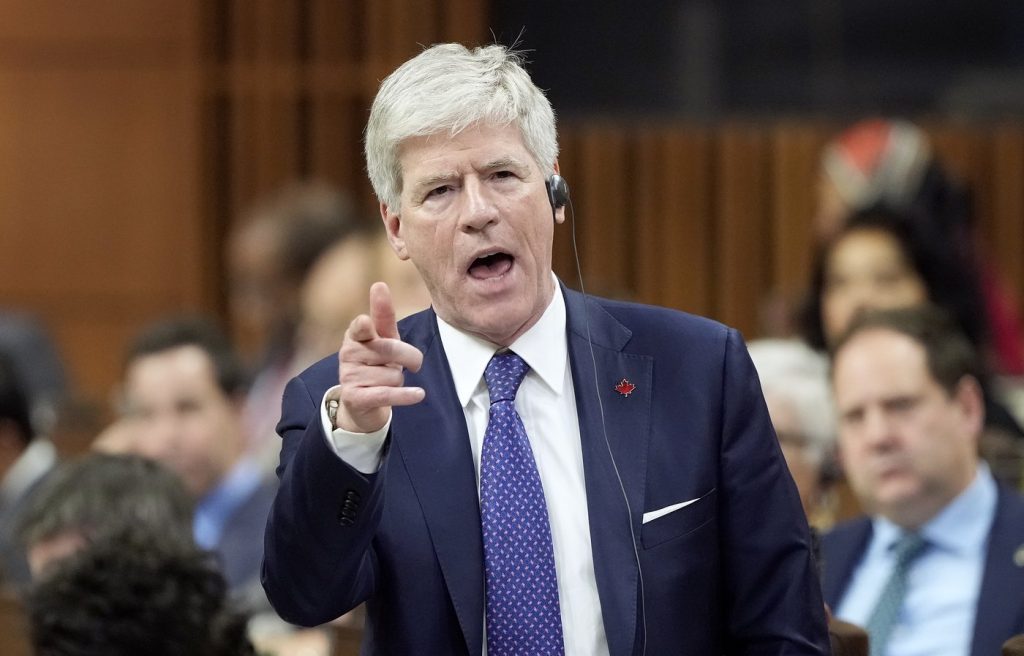
OTTAWA — Energy and Natural Resources Minister Tim Hodgson indicated on Monday that the Canadian government is approaching a decision regarding the potential repeal of the West Coast oil tanker ban. This legislation, which restricts tankers from transporting more than 12,500 metric tons of crude oil along the Northern coast of British Columbia, was enacted in 2019 under the administration of former Prime Minister Justin Trudeau. The law has faced significant criticism from the government of Alberta, which has been vocal in its opposition.
Hodgson's comments were made during his appearance before the House of Commons committee on natural resources. He addressed inquiries about the status of the tanker ban in light of ongoing discussions between the federal government and the Alberta government. He revealed that they are in the process of finalizing a memorandum of understanding that could potentially pave the way for a new oil pipeline project.
“We have been talking with that potential proponent, the Government of Alberta,” Hodgson stated. “We have been working on, as has been widely reported, a memorandum of understanding. That is a work in process right now.” He expressed optimism, suggesting that clarity on the future of the tanker ban would come once the agreement is complete.
British Columbia Premier David Eby has urged the federal government to maintain the ban. Hodgson has previously emphasized that any proposed pipeline through British Columbia would require the backing of both the provincial government and First Nations communities. At this point, no corporation has emerged willing to construct an oil pipeline connecting Alberta to British Columbia. However, Premier Smith of Alberta has stated her government intends to submit a proposal to the Major Projects Office by next spring.
Smith mentioned that such a deal with the federal government would represent a “grand bargain,” which would advance the proposed Pathways alliance carbon-capture project alongside the envisioned oil pipeline to Canada’s West Coast. Moreover, during her recent visit to Ottawa, Smith expressed openness to reinforcing Alberta's industrial carbon pricing.
In an earlier move, Prime Minister Mark Carney had canceled the consumer carbon price last spring but promised to enhance the industrial carbon price. This industrial pricing mechanism is believed to play a more significant role in reducing greenhouse gas emissions compared to the consumer fuel levy. Carney has not yet provided specifics on how the industrial carbon price will be strengthened, although the recent climate competitiveness strategy included in the federal budget commits to such enhancements.
As discussions continue, the balance between environmental considerations and economic development remains a focal point in Canada's energy policy landscape. The outcome of the negotiations between Ottawa and Alberta could significantly influence the future of oil transportation along the West Coast and the viability of proposed energy projects in the region.








