

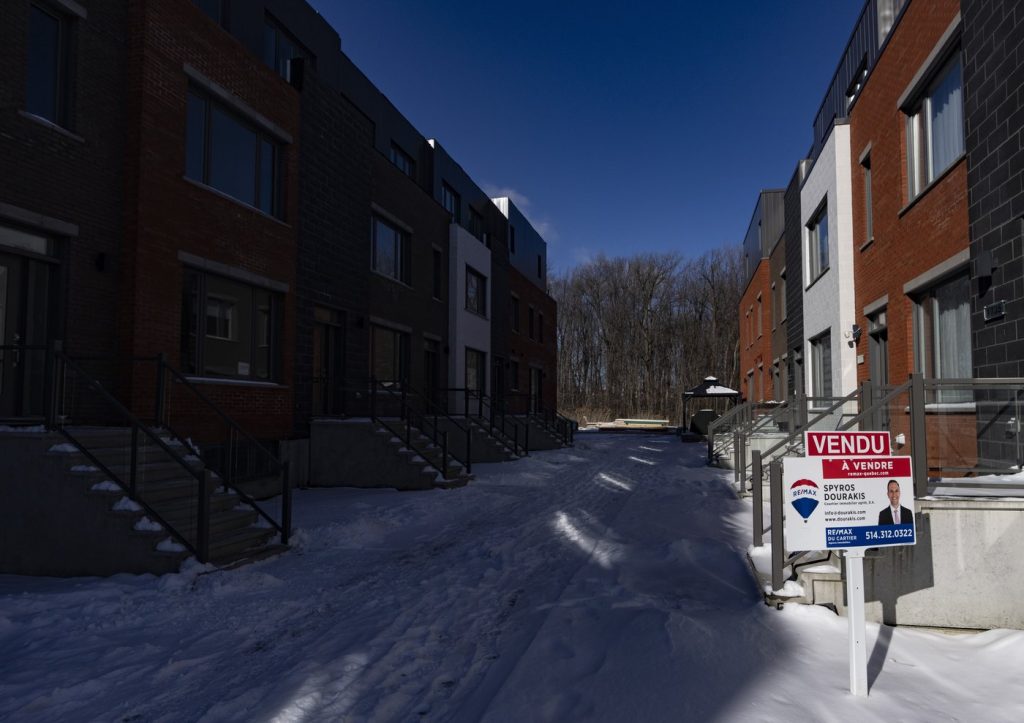
National home sales in Canada saw a significant decline of 10.7 percent in November compared to the same month last year, as reported by the Canadian Real Estate Association (CREA). The current housing market has entered what the association describes as a holding pattern, with predictions extending into 2026.
According to CREA, a total of 33,895 properties were sold across the nation last month. This figure also represented a slight decrease of 0.6 percent from the previous month, October, when adjusted for seasonal variations. The downturn in sales reflects broader trends in the housing market, with many factors influencing buyer and seller behaviors.
The actual national average sale price for homes sold in November stood at $682,219, reflecting a decrease of two percent from the same time last year. This downward trend in price suggests that some sellers are willing to make concessions to facilitate sales before the year concludes. CREA's senior economist, Shaun Cathcart, noted that there may be potential for demand to rebound in 2026. He attributed this possibility to a recent "clear signal" from the Bank of Canada indicating that interest rates are likely to stabilize at current levels. This expected stabilization could encourage more buyers to enter the market.
The report further highlighted changes in listing activity. New listings across Canada decreased by 1.6 percent month-over-month. By the end of November, there were 173,000 properties listed for sale, which marked an increase of 8.5 percent compared to the previous year. However, this number was still 2.5 percent below the long-term average for this time of the year, underpinning the ongoing fluctuations in housing inventory.
As 2025 progresses and the housing market looks to the future, the observed trends suggest a complex landscape for real estate in Canada. Buyers and sellers will likely continue to respond to evolving economic conditions, interest rate changes, and market dynamics as they navigate their decisions in the coming year.








