

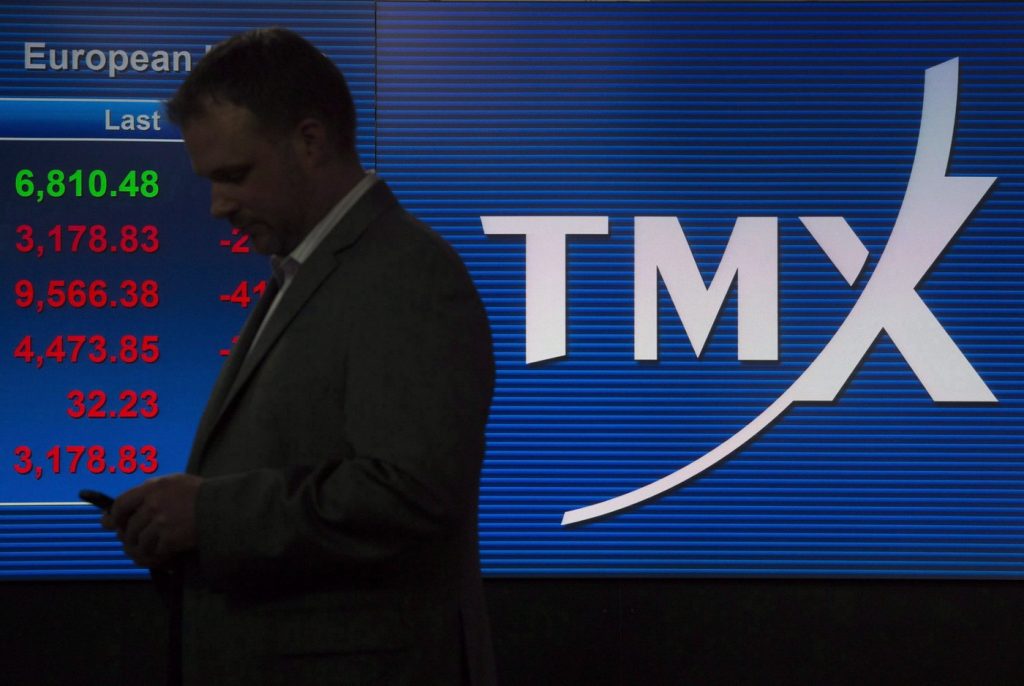
On December 3, 2025, Toronto's main stock index, the S&P/TSX composite, exhibited significant upward movement, gaining over 100 points in late-morning trading. The rise can be primarily attributed to strong performances in the energy and base metal sectors, reflecting a positive sentiment among investors regarding these commodities.
As of the observed trading session, the S&P/TSX composite index showed an increase of 101.04 points, reaching a figure of 31,150.32. This trend indicates resilience in the Canadian market, particularly in sectors linked to natural resources, which are crucial to the country’s economy.
Meanwhile, the performance of U.S. stock markets presented a mixed picture. The Dow Jones industrial average experienced a notable rise, increasing by 219.83 points to close at 47,694.29. Conversely, the S&P 500 index saw a modest rise of 6.60 points, bringing it to 6,835.97. However, the Nasdaq composite did not share in the positive momentum, as it fell by 24.94 points, concluding the session at 23,388.73. This divergence among U.S. indices highlights varying investor sentiment and sector-specific performance across the market.
The currency exchange rates also showed shifts, with the Canadian dollar trading at 71.72 cents against the U.S. dollar. This reflects an increase compared to Tuesday's exchange rate of 71.50 cents, indicating slight strengthening of the Canadian currency. Currency fluctuations can be influenced by numerous factors, including commodity prices, which may explain changes observed today.
Additionally, commodity markets were buoyed, with the price of crude oil showing an increase. The January crude oil contract rose by 68 cents, reaching a price of US$59.32 per barrel. This uptick in oil prices can have significant implications for the Canadian economy, as Canada is a major oil producer. Rising oil prices generally benefit the Canadian economy and can contribute positively to stock market performance.
Gold also saw a rise in its price on the futures market. The February gold contract increased by US$28.70, reaching a value of US$4,249.50 an ounce. This rise could indicate a response to ongoing economic conditions and investor behavior, as gold typically serves as a safe-haven asset during times of uncertainty.
The overall situation in the Canadian and U.S. stock markets on this date underscores the dynamic nature of global financial markets. Investors are often influenced by a variety of factors, including economic data releases, commodity price movements, and geopolitical events, which can lead to fluctuating stock prices across different sectors.
Overall, these developments in both the Canadian and U.S. markets highlight ongoing trends that investors are closely monitoring. The interplay of various factors, such as sector performance, currency fluctuations, and commodity prices, will continue to shape market conditions in the days to come.








