

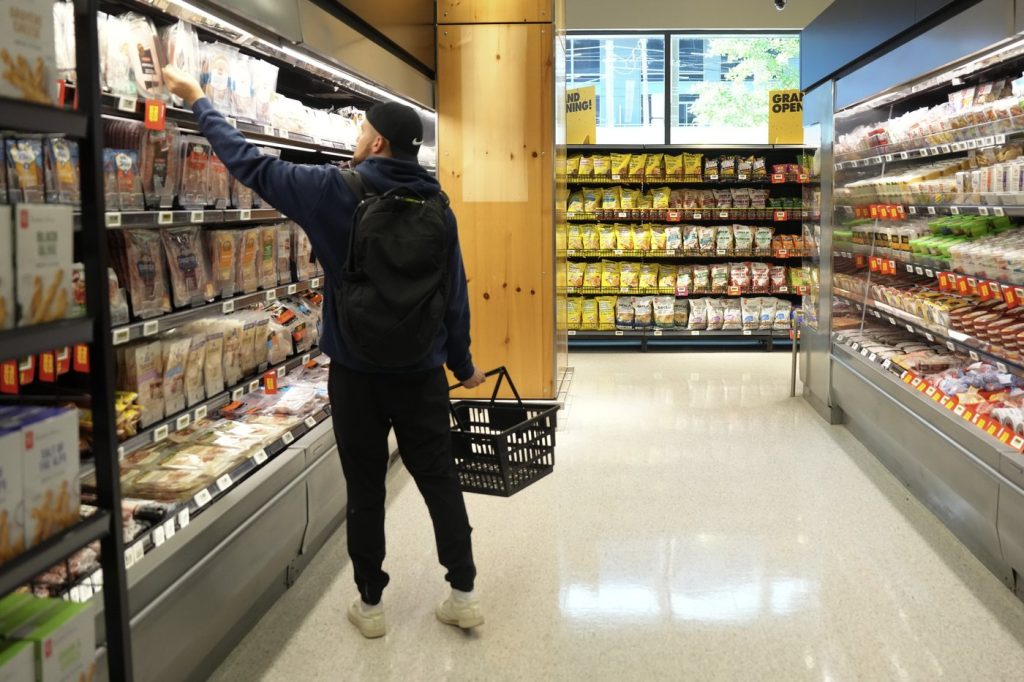
The latest Food Price Report from several Canadian universities indicates that food prices are expected to take a larger share of household budgets next year. The report predicts that an average family of four in Canada will spend approximately $994.63 more on food in 2026 compared to the current year, resulting in an estimated total food bill of $17,571.79. This increase is attributed to a projected inflation rate for food between four and six percent in 2026, outpacing a general inflation rate anticipated to decline to the Bank of Canada's target of two percent.
Lead author Sylvain Charlebois notes that although trade-related price pressures are expected to lessen, the growth in food prices is a concern. Geopolitical factors are still uncertain, but Charlebois expressed optimism that tariffs would not pose as significant an issue in 2026 as they did in 2025. For instance, Canada lifted nearly all counter-tariffs against the U.S. in September, and U.S. President Donald Trump recently rescinded tariffs on over 200 agricultural and food products. Historically, these tariffs have contributed to higher Canadian food prices.
The report highlights that long-shelf life items, such as coffee, may take longer to see price declines compared to perishable goods like bananas. Despite the easing of trade issues, higher costs remain due to the necessary investment companies are making in supply chains and diversifying their trading partners. Charlebois emphasized that grocers have adapted well by sourcing new, more affordable suppliers in response to changing consumer preferences toward Canadian products.
Interestingly, the report notes that vegetable prices have actually dropped by 0.9 percent this year, while fruit prices decreased by 1.1 percent. However, this downward trend is not expected to continue in 2026, as fruit prices might rise by one to three percent and vegetable prices are projected to increase by three to five percent. Meat remains the primary driver of food inflation, with prices up 7.2 percent this year and expected to rise by an additional five to seven percent in the coming year. This surge is largely due to dwindling cattle herds—reportedly at their lowest since 1988—coupled with increased feed and processing costs exacerbated by drought conditions.
Charlebois expressed confusion regarding the lack of action by the Canadian government to address the rising beef prices. He advocated for increased imports from countries such as Australia to relieve some pressure from the domestic market. As beef prices climb, many consumers are switching to chicken, resulting in heightened prices there as well, albeit chicken production can adapt more quickly than beef.
Sadaf Mollaei, an adviser to the report, pointed out that climate change is significantly affecting food prices. Factors like wildfires in California and droughts in Canada are impacting crop production and supply chains. The report mentioned that adverse weather has driven up prices for various imports, including coffee, tea, cocoa, strawberries, oranges, squash, and carrots. Although there is a shift towards plant-based protein sources, it is crucial that this transition occurs due to consumer preferences for health and sustainability rather than economic necessity.
In terms of other food categories, seafood is expected to remain accessible, with prices forecasted to rise one to two percent, while dairy and egg prices may see a gain of two to four percent. Dining out will also become pricier, with restaurants projected to increase their prices by four to six percent.
Looking ahead to 2026, the newly introduced Canada Grocery Code, which launches in January, could prove significant. Charlebois believes this code may help level the playing field between grocers and suppliers, potentially leading to greater price stability over time. He emphasized the importance of collaboration between processors, vendors, and grocers to negotiate fairly for the benefit of consumers in the long run.
This comprehensive analysis indicates that 2026 will be a pivotal year in many factors influencing food prices in Canada.








