

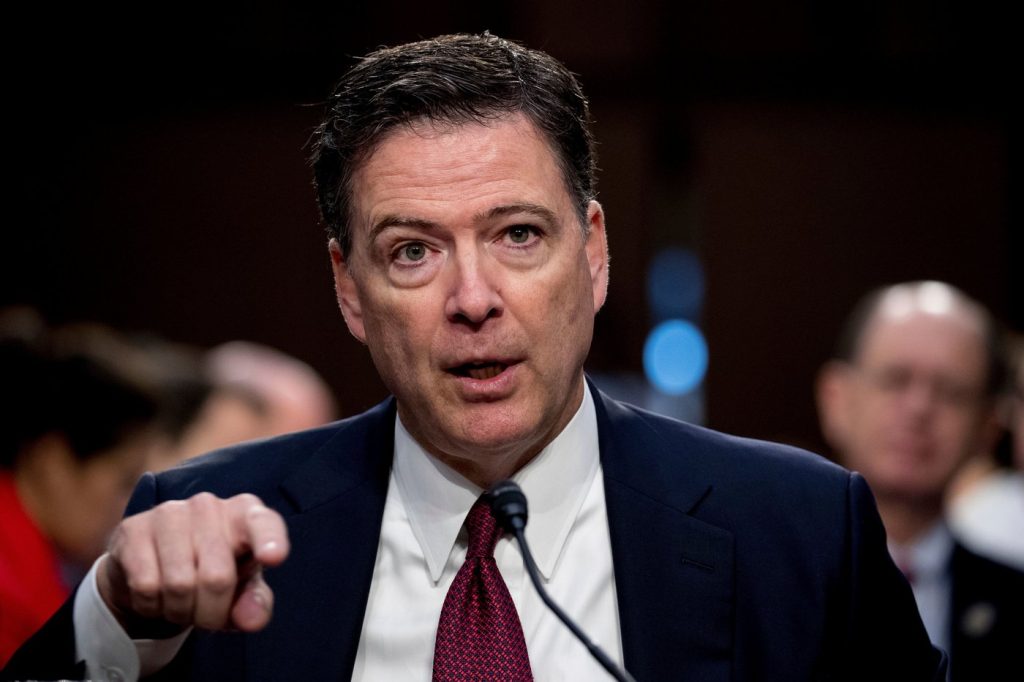
A recent ruling from U.S. District Judge Colleen Kollar-Kotelly poses a significant obstacle for the Justice Department in its pursuit of a new indictment against former FBI Director James Comey. The judge has temporarily barred prosecutors from utilizing evidence that was pivotal in the initial criminal charges against Comey. This decision, made on Saturday evening, does not entirely block the possibility of future charges but indicates that any new indictment may need to be formulated without referencing communications between Comey and his close associate, Daniel Richman, a law professor at Columbia University.
Comey was charged in September 2022 with lying to Congress, specifically regarding his authorization of an associate to act as an anonymous source to the media concerning FBI-related matters. Prosecutors had cited communications between Comey and Richman as evidence that demonstrated Comey’s encouragement for Richman to engage with the media on certain FBI topics. However, a separate ruling last month led to the dismissal of the case due to a determination that the prosecutor, Lindsey Halligan, had been unlawfully appointed by the Trump administration. Nevertheless, this ruling left the door open for the government to pursue charges against Comey, who has been a long-standing critic of former President Donald Trump.
Following the dismissal of the charges, Richman’s legal team sought a court order to prevent prosecutors from accessing his computer files. The Justice Department had obtained these files through search warrants in 2019 and 2020 as part of a media leak investigation that was ultimately closed without any charges being filed. Richman and his lawyers have argued that prosecutors overstepped the legal boundaries by relying on data that exceeded the scope of the warrants, improperly retained communications they should have destroyed, and conducted unauthorized searches of the materials.
Judge Kollar-Kotelly granted Richman’s request for a temporary restraining order on Saturday, instructing the Justice Department not to access the identified materials or share them without prior court approval. The judge emphasized that Richman demonstrated a likelihood of irreparable harm to his Fourth Amendment rights against unreasonable searches and seizures due to the government's continued retention of his computer files.
The Justice Department has been given a deadline until Monday afternoon to certify its compliance with the order. Meanwhile, it remains uncertain whether the Justice Department could successfully bring new charges against Comey, even if it were allowed to rely on Richman’s communication records. Comey's legal representatives have pointed out that the statute of limitations for such a case has likely expired, as his congressional testimony in question was provided on September 30, 2020, more than five years ago.
In a related development, a separate attempt by the Justice Department to file new charges against New York Attorney General Letitia James, another figure often at odds with Trump, failed last week when a grand jury declined to approve the charges initially brought by Halligan.








