

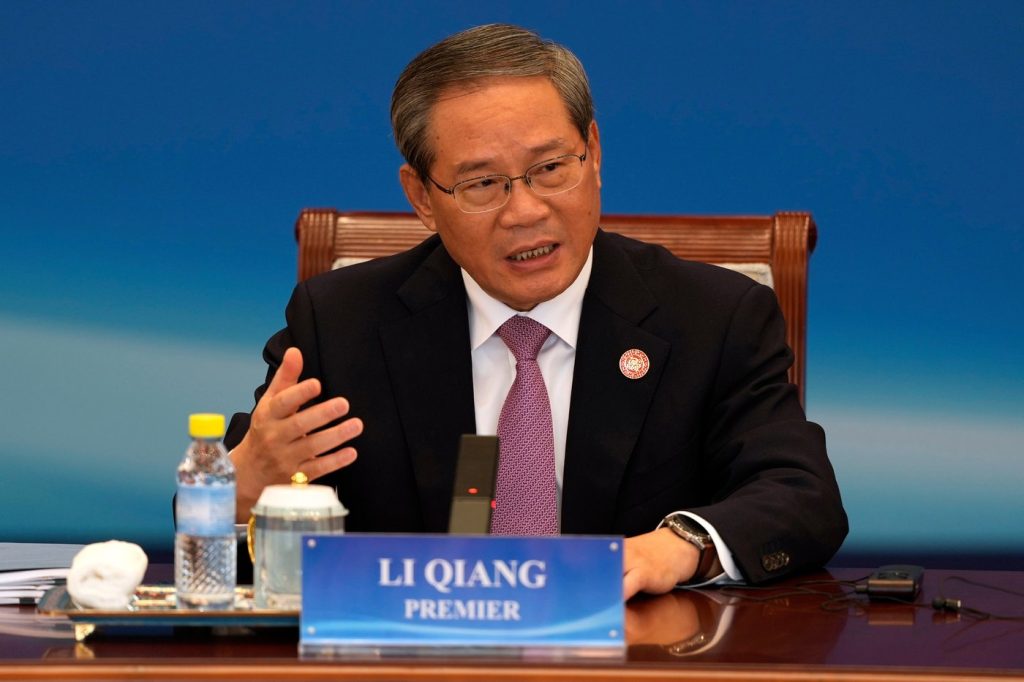
BANGKOK (AP) - In a recent statement, China's Premier Li Qiang addressed the negative impacts of higher tariffs on the global economy during a forum of international organizations held in Beijing. At this forum, he emphasized that these tariffs have inflicted a "severe blow" to global trade. His comments come in the wake of China's trade surplus surpassing $1 trillion for the year 2025.
During his remarks, Li noted the growing prevalence of tariffs worldwide and the "restrictive measures" affecting economic activities. While he did not specifically name U.S. President Donald Trump or his tariff policies, his critique underscored the broad repercussions of these measures on both global economies and the harm inflicted on countries enforcing such tariffs. He further advocated for the need to uphold free trade, highlighting a rising consensus on this issue among global stakeholders.
Despite the ongoing trade tensions, statistics reveal that China's overall exports have risen, counterbalancing declines in shipments to the United States. In November, exports to the U.S. dropped by 29% compared to the previous year, marking the eighth consecutive month of declining figures. In contrast, China's total trade surplus reached an impressive $1 trillion as of November, with overall exports seeing a 5.9% increase from the previous year.
The trade friction between China and the United States has alleviated somewhat following a meeting between Trump and Chinese President Xi Jinping in late October during a regional economic summit in South Korea. During this summit, the two leaders reached an agreement to ease retaliatory measures and extend a truce for one year, hoping to foster better trade relations moving forward.
Premier Li also highlighted the need for "collaborative innovation" in technology investments, which are outpacing overall investments in China. He called for a spirit of openness and cooperation among international partners, signaling a desire for enhanced collaborative efforts to drive economic growth.
The Central Economic Work Conference, which is an annual planning meeting taking place this week, follows a high-level meeting aimed at drafting China's economic plan for the years 2026-2030. This year's conference reiterates China's ambitions to strengthen its position as a global manufacturing power while fostering a domestic economy that relies more heavily on consumer spending and technological advancements.
As of the last quarter, China's economy saw growth of 4.8%, marking the slowest growth rate in one year. Nevertheless, economists anticipate that the Chinese economy will meet the official target of approximately 5% growth for 2025, bolstered largely by robust export performance.
In conclusion, the ongoing discussions about economic policy reflect the complexities of international trade relations, particularly in light of tariff impacts and the pressing need for collaborative innovation to navigate current challenges. These developments are critical as China seeks to position itself strategically in the global market while addressing domestic economic needs.








