

As winter continues its grip across Canada, many regions in the Prairies and beyond are expected to face significant snowfall and challenging weather conditions ahead of the coming weekend. According to Environment and Climate Change Canada, another Alberta Clipper is poised to affect southern Saskatchewan and Manitoba, potentially dropping upwards of 15 centimetres of snow in these areas.
The impending winter weather is not just about snow accumulation; the weather office warns of strong westerly winds, with gusts reaching up to 70 kilometres per hour. This combination of heavy snowfall and high winds is likely to create hazardous travel conditions, particularly for morning commuters in Alberta. Areas southeast of Edmonton, for instance, are bracing for blowing snow, which can lead to severely reduced visibility on the roads.
This week has already given parts of the Prairies a harsh preview of what Old Man Winter has to offer. The severe weather has resulted in stranded vehicles, as well as the closure of schools and highways. Many residents have also experienced power outages due to the strain on infrastructure from the winter conditions.
In addition to the Prairies, winter storm warnings have been extended to regions in north-central Ontario and parts of Quebec. Meteorologists project that these regions may see between 30 and 50 centimetres of snow as the weather system progresses. Such substantial snowfall raises concerns about travel safety, as well as potential disruptions to daily activities for those living in the affected areas.
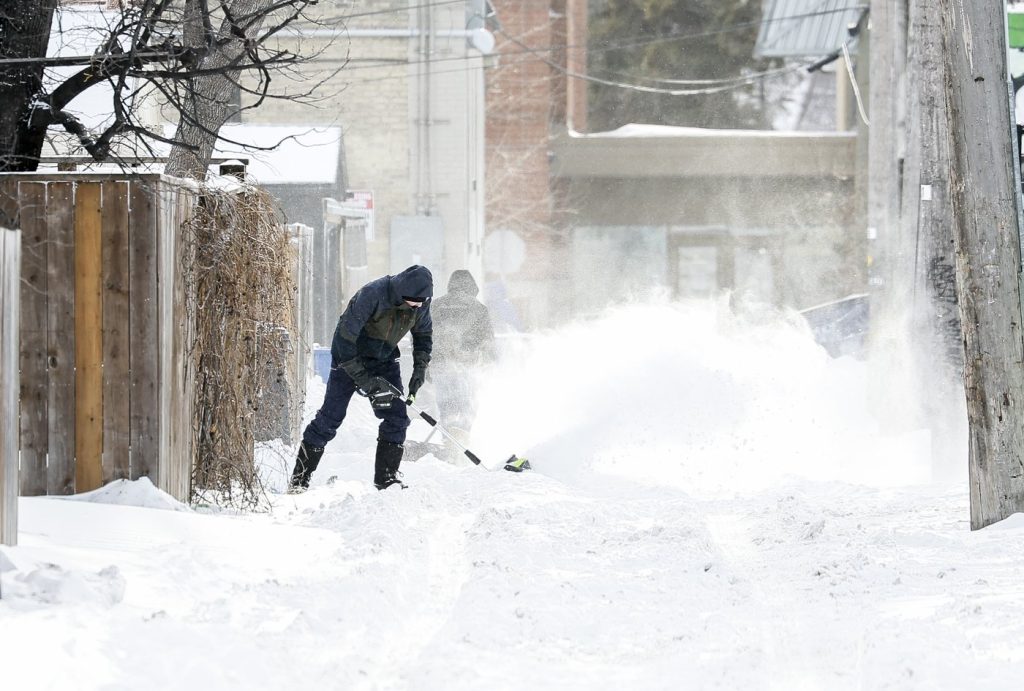
The Canadian Press reported that residents are already experiencing the effects of recent winter storms, with clean-up efforts underway following heavy snowfall in cities like Winnipeg. On December 18, 2025, locals were seen clearing snow from sidewalks and driveways, a scene likely to be repeated in numerous communities hit by the recent winter blast.
The ongoing weather challenges reflect a broader trend in which Canadian winters are becoming increasingly severe, prompting concerns about climate impacts and preparedness for extreme weather. As more Canadians navigate the difficulties of winter, local authorities and residents must remain vigilant and proactive in addressing the challenges presented by harsh winter conditions.
In summary, the upcoming winter weather poses significant risks and challenges for Canadians in the Prairies and beyond. With storms on the horizon and the potential for substantial snowfall, it is critical for residents to stay informed and prepared to tackle the impacts of winter's wrath this season.








