

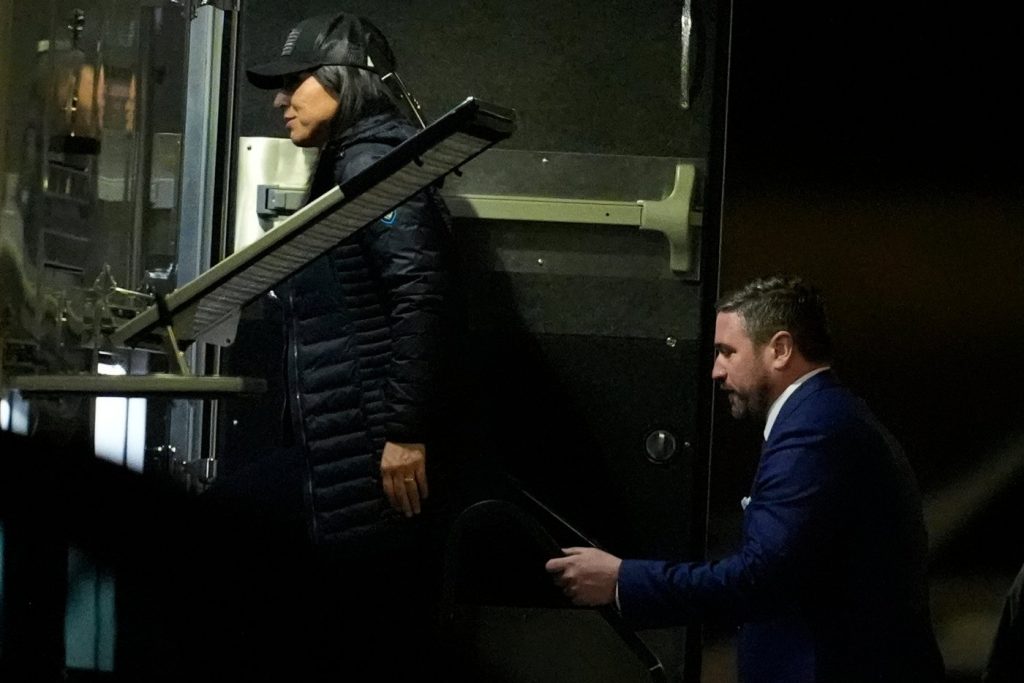
WASHINGTON (AP) – A complaint filed against Director of National Intelligence Tulsi Gabbard alleged she withheld access to classified information for political reasons. This complaint, submitted in May, was initially reviewed by the inspector general’s office, which subsequently found the allegations to be uncredible. This has intensified scrutiny from her critics who claim she deprived Congress of necessary oversight information.
Copies of the complaint, which is classified as top secret, are being delivered to the “Gang of Eight” lawmakers—a group that includes House and Senate leaders from both political parties, as well as the top Democrats and Republicans from the intelligence committees. This hand-delivered process is meticulous, complicating the timeline for lawmakers to access the document.
Gabbard's office has denied the validity of the claims and explained that delays in delivering the complaint to Congress stemmed from an extensive legal review due to its classified content, compounded by the previous year’s government shutdown. Senator Mark Warner, a Democrat from Virginia, expressed his frustration over the lengthy negotiations that have taken six months just to gain access to the complaint, noting that Gabbard's failure to share the information contradicted her testimony during confirmation hearings where she promised to protect whistleblowers.
The complaint included another serious allegation against Gabbard’s office, suggesting that the general counsel failed to report a potential crime to the Department of Justice. While the inspector general's memo contained redactions and lacked further explicit details on either charge, the former inspector general, Tamara Johnson, indicated that the assertion regarding political classification of information seemed dubious. The current watchdog, Christopher Fox, confirmed in the memo that he would likely consider such complaints non-urgent, which would preclude referral to Congress.
Andrew Bakaj, representing the complainant, stated that while he couldn’t divulge specifics about the report, he contended there was no justification for withholding it from Congress since the filing last spring. Certain lawmakers and their staff have already been permitted to review the complaint, with plans for remaining lawmakers to be briefed shortly thereafter.
Gabbard's responsibilities include overseeing the nation's 18 intelligence agencies. Recently, she has been in the spotlight for her involvement in an FBI operation at election offices in Georgia that are pivotal to the debunked claims of fraud in the 2020 presidential election. Gabbard claimed during this event that she was asked by then-President Donald Trump to be present, defending her actions as part of regular collaboration with the FBI to ensure election security.
Warner has publicly rejected Gabbard’s explanation, voicing concerns that her involvement in domestic law enforcement procedures poses risks of blurring lines between intelligence operations and policing. He has called for her to address these issues in front of the Senate Intelligence Committee, asserting, "The director of national intelligence does not conduct criminal investigations, and she does not belong on the scene of a domestic FBI search."
This ongoing situation demonstrates a significant intersection of political oversight, classified information handling, and the complex dynamics within U.S. intelligence and law enforcement roles.








