

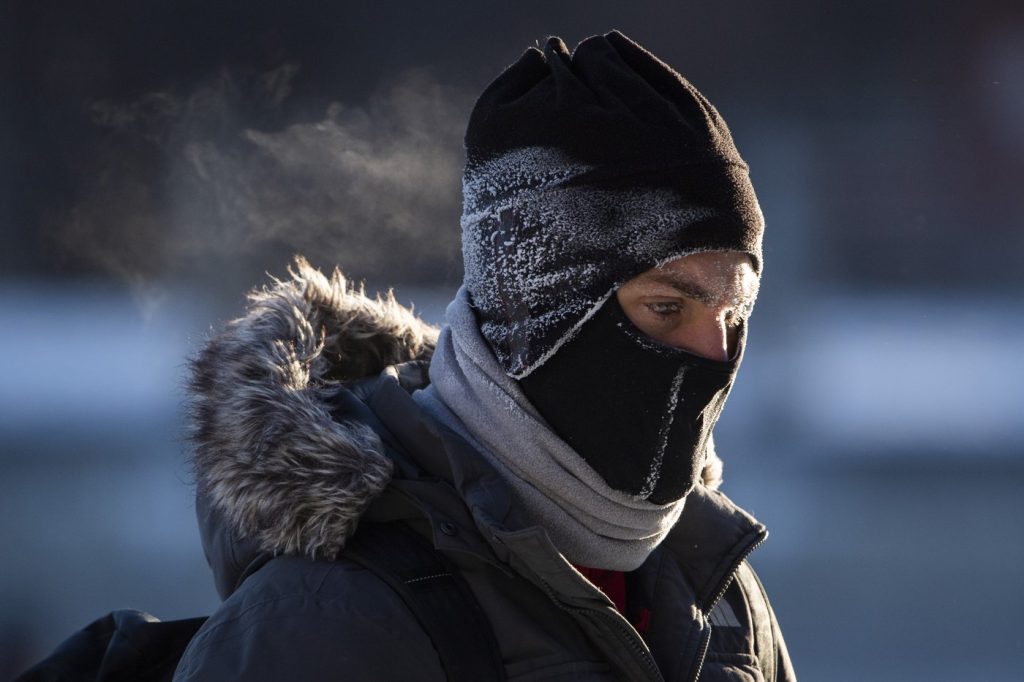
A severe cold wave is currently gripping much of Western Canada, prompting officials in the Yukon Territory to issue a plea for residents to limit their electricity consumption. As temperatures plummet, cold warnings from Environment Canada are in effect across the northernmost regions of Manitoba and most areas of Saskatchewan and Alberta. Residents in these areas are experiencing extreme chills, with forecasts predicting temperatures as low as -45 to -50 degrees Celsius.
In the Northwest Territories, regions including Fort Simpson are also bracing for similar intense cold that is expected to last until late Wednesday. The harsh weather conditions have created significant challenges, leading to heightened concerns over the strain being placed on the electrical grid in the Yukon.
Yukon's Energy Minister, Ted Laking, has taken to social media and public statements to emphasize the necessity of conservation efforts. He indicated that the territory's electrical grid is under considerable stress, having recently recorded all-time highs in peak demand. Laking attributed part of the strain to ongoing equipment failures throughout the region, which makes the situation even more precarious.
In light of these circumstances, Laking is urging residents to prepare for possible rolling blackouts and to equip themselves with emergency kits. In his statement made on Monday, he remarked, “In the meantime, I ask for your continued patience and help by reducing electricity use during peak hours when possible. These small actions ease pressure on the grid and help us avoid worse outcomes.” His message highlights the community's role in assisting with the ongoing energy crisis.
The adverse weather and its effects on energy resources have raised growing concerns among residents, many of whom rely heavily on electricity for heating and other essential services. The cold snap is not only a test of the territory's infrastructure but also a reminder of the importance of community cooperation in times of crisis.
This extreme weather phenomenon serves as a stark illustration of the broader impacts of climate change and the increasing frequency and severity of such events. With forecasts indicating that the intensive cold conditions could persist, it remains imperative for communities to stay informed and take necessary precautions to maintain safety and well-being during this challenging period.








