

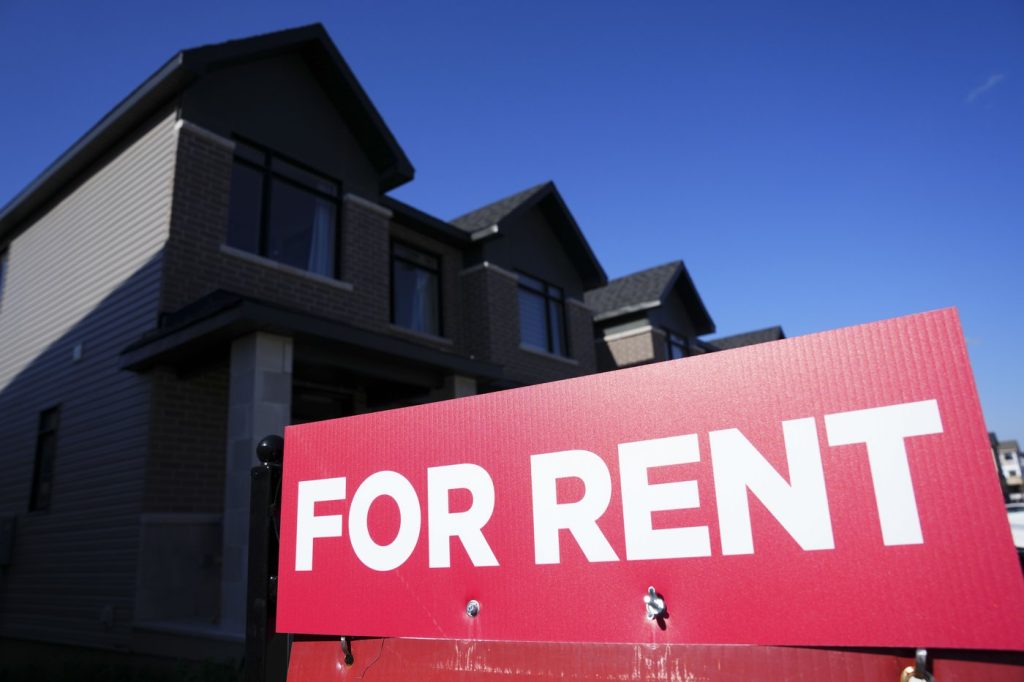
Asking rents in Canada experienced a notable decline, falling by 2.3 percent year-over-year in December 2025, reaching an average of $2,060. This decrease marks a full calendar year of declining rents, achieving the lowest average level in the last 30 months. The reduction in rental prices reflects broader market trends and shifts in demand and supply.
The most recent monthly report from Rentals.ca and Urbanation highlighted that, when examined across the entire year, average asking rents in Canada fell by 3.1 percent in 2025. Notably, this annual drop is greater than any fluctuations witnessed during the COVID-19 pandemic. Additionally, rental prices are down by 5.4 percent compared to two years prior, highlighting a significant shift in the rental landscape. Despite these reductions, it is essential to note that rents are still 14.1 percent higher than pre-pandemic levels recorded in December 2019.
Urbanation president Shaun Hildebrand identified several factors contributing to the downturn in rental prices. He noted that the demand and supply dynamics that had previously driven rents up between 2022 and 2024 underwent a reversal in 2025. Key influences included record-high apartment completions, a slowdown in population growth, economic uncertainty, and challenges related to affordability.
Delving deeper into the types of apartments, asking rents for purpose-built apartments in December 2025 averaged $2,049, reflecting a 1 percent decrease year-over-year. In contrast, asking rents for condominium apartments fell more sharply, with a 4 percent decline, bringing the average to $2,131. This differentiation in rental price trends illustrates varying market conditions among different apartment types.
Regionally, the report provided insights into rental price changes across provinces. British Columbia observed the largest drop in average apartment rents, with a 5.4 percent decline. Ontario followed with a 3.2 percent decrease, while Alberta's rents fell by 2.7 percent and Quebec recorded a 1.9 percent decline. In contrast, the provinces of Saskatchewan, Manitoba, and Nova Scotia experienced increases in average rental prices, indicating that, while the overall trend was downward, some regions remained resilient in the face of broader market challenges.
This comprehensive overview of Canada's rental market dynamics through the lens of the report showcases the complexities and fluctuations at play as landlords and tenants navigate changing economic conditions and market sentiments. The ongoing adjustments in rental prices, driven by evolving supply and demand factors, highlight the pivotal shifts within the real estate landscape as Canada continues to adapt to the repercussions of the pandemic and beyond.








