

In recent developments in Cuba, a dramatic incident occurred when a boat with 10 passengers opened fire on soldiers. The Cuban government has reported that these individuals were armed Cubans residing in the United States, attempting to infiltrate the island. This event highlights the ongoing tensions between Cuba and the U.S., especially concerning issues of migration and political dissent. As the situation unfolds, it continues to draw attention to daily life in Havana and the broader societal impacts stemming from such confrontations.
The Associated Press has provided a curated photo gallery that presents a vivid glimpse into daily life in Havana. The gallery serves as a backdrop to the current issues facing the island, depicting a range of scenes from the streets of the capital. The photographs, taken by AP photo editor Ramon Espinosa, encapsulate various aspects of Cuban life, from the everyday hustle of its citizens to poignant reflections on their historical struggles.
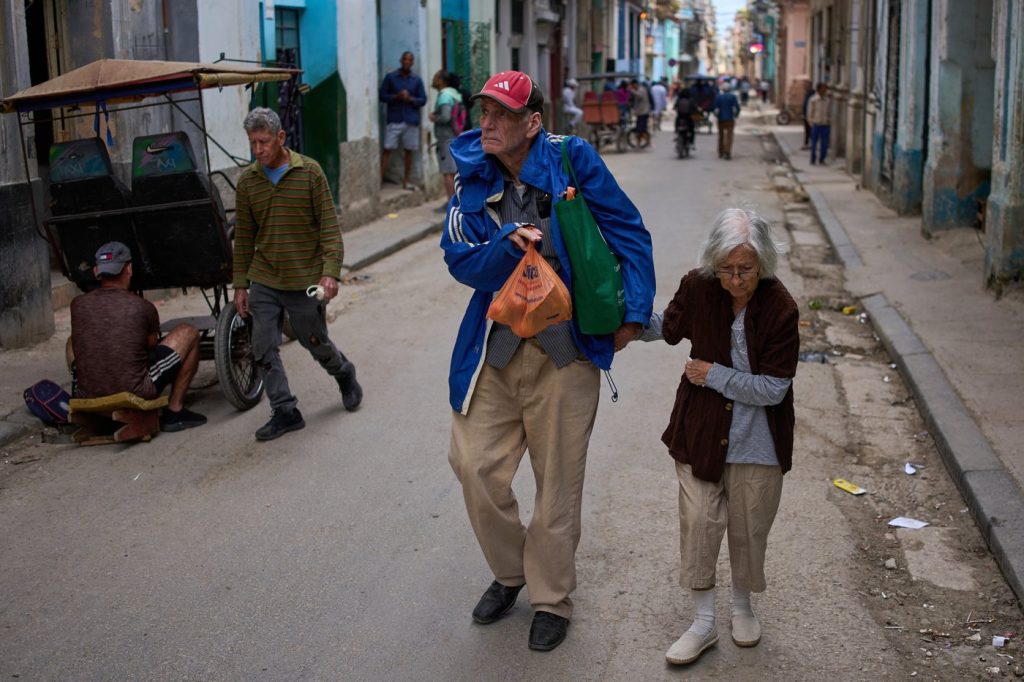
Among the images, one stands out where people walk down a bustling street in Havana, creating an impression of community resilience amidst the backdrop of political strife. Another photograph captures a man navigating between American and Cuban flags, symbolizing the complex relationship between these two nations. The colorful imagery reflects the cultural tapestry that characterizes Havana, despite its challenges.
Additionally, one interesting photo shows a man riding his bicycle along the iconic Malecon, a seafront esplanade that serves as a social gathering spot for many Cubans. This scene highlights the vibrant life along the coast, where residents enjoy the natural beauty of their surroundings even when facing adversity.
However, not all images reflect a positive ambiance. A striking photograph portrays residents holding their noses as they pass a street filled with garbage, a commentary on the serious sanitation issues that plague the city. This moment captures the hardships faced by citizens, driven by systemic challenges exacerbated by economic difficulties and infrastructural decay.
Historical reflections also emerge within the gallery, such as an image from 2007 showing a Cuban woman hanging laundry on her balcony, framed by a poster of Fidel Castro. This stark juxtaposition underscores the enduring presence of Cuba’s revolutionary past within the context of its current realities. Similarly, a file image from 1964 showcases baseball fans in Havana, an important cultural touchstone for the nation, thus drawing attention to the vibrant sports culture that persists amidst political and economic struggles.
The photographs not only document individual stories but also highlight the communal experience of Cubans. For instance, the images from February 1, 2026, show people navigating their daily lives—waiting for transportation or venturing out during a flood. These scenes illustrate the resilience of Havana's inhabitants as they face the challenges of their environment, weathering storms both literal and metaphorical.
Among the gallery’s selections, the presence of Cuban and U.S. flags interspersed throughout demonstrates a nuanced relationship filled with hope and contention. Various photos depict both everyday life and moments that symbolize the intertwining histories of the two nations. Through this collection, one can glean insight into the persistent longing for connection and the complexities of identity in a place shaped by decades of political history.
Overall, this photographic exploration captures the essence of contemporary Havana, showcasing the determination and spirit of its people as they engage with the past while navigating the realities of their present. Each photograph acts as a visual narrative, inviting viewers to understand not just the struggles but also the vibrant everyday life that persists in this resilient city.








