

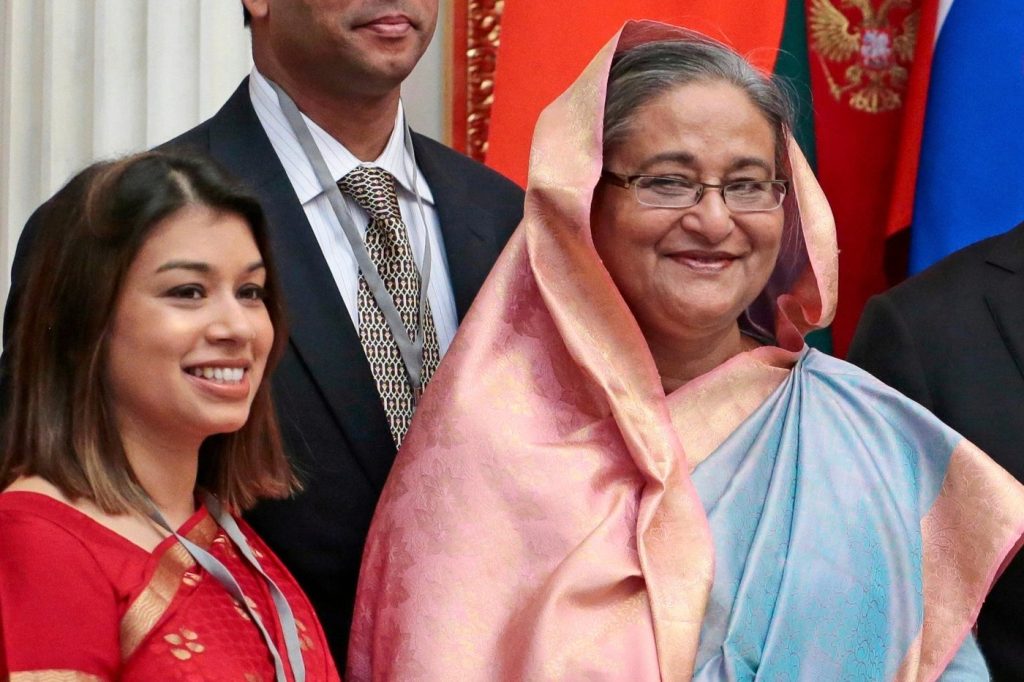
DHAKA, Bangladesh (AP) – A court in Bangladesh's capital has mandated that authorities request Interpol to issue a red notice for the arrest of British lawmaker Tulip Siddiq, who faces corruption charges related to a private real estate project in the country. Siddiq, a former British minister and current MP representing Hampstead and Highgate in London, is embroiled in legal controversy as the Anti-Corruption Commission of Bangladesh pursues a case against her.
In recent developments, Siddiq has already been sentenced to six years in prison for three separate corruption cases linked to her powerful aunt, Sheikh Hasina, the former Prime Minister of Bangladesh. Hasina was removed from power in 2024 amid a student-led uprising that ended her 15-year tenure, subsequently seeking refuge in India since August 5, 2024.
Despite the serious allegations, Siddiq vehemently denies any wrongdoing, categorizing the verdicts against her as a “complete farce.” She asserts her identity as a British citizen, distancing herself from any accusations concerning her connections to Bangladesh.
The allegations against Siddiq stem from claims that she exerted influence to facilitate the awarding of land to a private company in the upscale Gulshan area of Dhaka, leveraging her familial ties to Hasina. Siddiq is noted to be the daughter of Sheikh Rehana, Hasina's younger sister.
On Thursday, Dhaka Metropolitan Senior Special Judge Mohammed Sabbir Faiz issued the court order following a petition from the corruption watchdog. This ruling came in response to a request by the commission's Assistant Director A.K.M. Mortuza Ali Sagar, seeking assistance from Interpol to facilitate Siddiq's apprehension.
As of the latest reports, Siddiq has not provided any immediate response to the court's order. Last January, she resigned from her position in the British government, where she served as Economic Secretary to the Treasury under Prime Minister Keir Starmer. This resignation occurred under mounting pressure due to her connections with Sheikh Hasina, although she maintained that she had been cleared of any misconduct, stating that her presence had become a “distraction” from government responsibilities.
Following the ousting of Hasina, Nobel Peace Prize laureate Muhammad Yunus was appointed as interim leader and subsequently oversaw an election on February 12, leading to the formation of a new government under Prime Minister Tarique Rahman. Rahman is the son of Hasina’s principal political adversary, the former Prime Minister Khaleda Zia.
The evolving political landscape in Bangladesh highlights the complexities surrounding corruption allegations, familial ties, and political power struggles that continue to shape the nation’s governance and international relations.








