

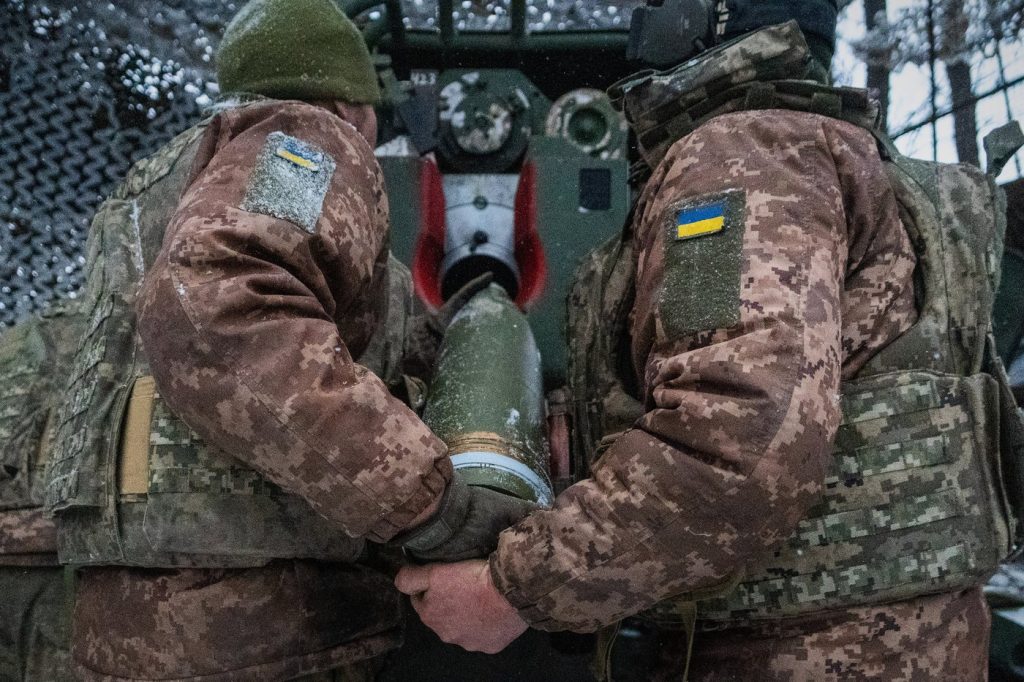
As Russia's full-scale invasion of Ukraine surpassed 1,418 days in October 2023, it marked a historic milestone, equaling the time it took Moscow to defeat Nazi Germany in World War II. Contrary to the Red Army's advancement towards Berlin in the 1940s, the current conflict sees Russian forces struggling to capture Ukraine's eastern industrial heartland, particularly after failing to seize the capital, Kyiv, in February 2022. This led to a transformation of the conflict into trench warfare, incurring immense casualties on both sides.
Estimates suggest nearly 2 million soldiers have died, been wounded, or gone missing, making this the most devastating conflict in Europe since World War II. Since illegally annexing Crimea in 2014, Russia has occupied about 20% of Ukrainian territory, yet its advances post-February 2022 have been sluggish; NATO Secretary-General Mark Rutte recently likened Moscow’s progress to “the speed of a garden snail.” In the Donetsk region of eastern Ukraine, Russian troops have moved only about 50 kilometers (approximately 30 miles) over the past two years, battling for control of a few key strongholds.
Despite the faltering pace and high costs of the war, President Vladimir Putin remains adamant in his demands during U.S.-mediated peace talks. He insists that Kyiv withdraw its forces from the four Ukrainian regions illegally annexed by Russia but not completely captured. Additionally, Putin has threatened to use Russia’s nuclear arsenal to deter the West from enhancing military support for Ukraine.
The nature of the conflict has shifted from rapid troop movements to bloody positional warfare along the extensive 1,200-kilometer (750-mile) front line. The Washington-based Center for Strategic and International Studies estimated that Russian military casualties reach approximately 1.2 million, with around 325,000 killed, while Ukrainian casualties could be as high as 600,000, including up to 140,000 fatalities. This indicates that Russia has suffered the highest casualty rate of any major power in warfare since World War II. Notably, Russian troops advanced at an average speed of just 70 meters (76.5 yards) per day en route to capturing the transport hub of Pokrovsk.
In this conflict, drones have assumed a pivotal role, rendering it exceedingly difficult for either side to amass significant troop numbers covertly. Ukraine has heavily relied on drones to mitigate Russia’s advantages in firepower while Russia has expanded its drone operations to include long-range, optical-fiber-tethered variants to counter electronic jamming. The presence of drones has complicated logistical aspects, such as supply transport and casualty evacuation, as both sides navigate the battlefield littered with debris from drone strikes and heavy artillery.
This winter has posed particular challenges for Ukraine, with Russia significantly increasing its assaults on Ukraine’s energy infrastructure. In Kyiv, many residents have experienced blackouts with power being supplied for just a few hours per day amid harsh winter conditions. Additionally, Russia has targeted power lines to disrupt energy transfers and isolate parts of Ukraine’s power grid.
In retaliation, Ukraine has launched long-range drone attacks on Russian oil refineries and energy facilities, aiming to diminish Moscow’s revenue streams. Ukraine’s drone and missile strikes have struck multiple Russian warships in the Black Sea, prompting Russia to move its fleet from Crimea to Novorossiysk. In a bold operation dubbed "Spiderweb," Ukrainian drones targeted several airbases housing long-range bombers across Russia in June, marking a significant embarrassment for the Kremlin.
U.S. President Donald Trump, who had previously envisioned concluding the war swiftly, has encouraged discussions to end the conflict. However, contradictions in the demands of both sides have impeded progress. Putin envisions Ukraine withdrawing its forces from the Donetsk region and has ruled out European peacekeepers, while Ukrainian President Volodymyr Zelenskyy seeks a ceasefire along the current front lines but rejects Putin's insistence on a comprehensive peace agreement.
Despite the differing positions, both leaders have maintained a level of praise for U.S. mediation efforts. After a contentious meeting at the White House a year ago, Zelenskyy has adopted a more pragmatic approach to negotiations, signaling a willingness to explore compromises, including a potential presidential election in Ukraine tied to a peace referendum — a move that remains contingent on achieving a ceasefire and securing guarantees from the U.S. and allies.
While Zelenskyy reports that the U.S. has set a June deadline for the conflict’s resolution, significant barriers remain. Putin's insistence on territory and Zelenskyy's determination not to concede makes rapid progress unlikely. Both sides believe that their respective strategies will ultimately compel the other to concede, yet the overarching fear is that the continued strife may further entrench both positions, prolonging an already drawn-out conflict.
Despite the war's toll on Russia's economy, which has been straining under international sanctions, Russia's defense industries have ramped up output. Analysts note that while the Russian economy is in a precarious state, it remains capable of sustaining long-term military operations, indicating a continued commitment to the conflict.








