

FRANKFURT, Germany (AP) — The oil markets, currently closed for the weekend, are poised for significant price fluctuations next week due to the uncertainty surrounding the recent U.S. and Israeli strikes on oil supplies originating from the Middle East.
Prior to the escalation of conflict with Iran, forecasts indicated that a quick spike in oil prices could occur, but this would likely diminish if there was no substantial impact on oil shipping and infrastructure, such as Iranian pipelines and the Kharg Island terminal. Conversely, if the strikes were to disrupt oil infrastructure or supplies—particularly through the critical Strait of Hormuz—the price increase could be more substantial and prolonged.
Amid rising fears of conflict, oil prices have already surged, with the international benchmark Brent crude concluding the last trading day at $72.87, marking a seven-month high.
Iran, which exports approximately 1.6 million barrels of oil daily, primarily to China, might face significant repercussions in its oil trade if supply chains are disrupted. Chinese refineries, being privately owned, are less deterred by U.S. sanctions that restrict Iran's ability to market its oil elsewhere. In the event of a disruption, these customers might seek alternative sources, possibly leading to further increases in global oil prices.
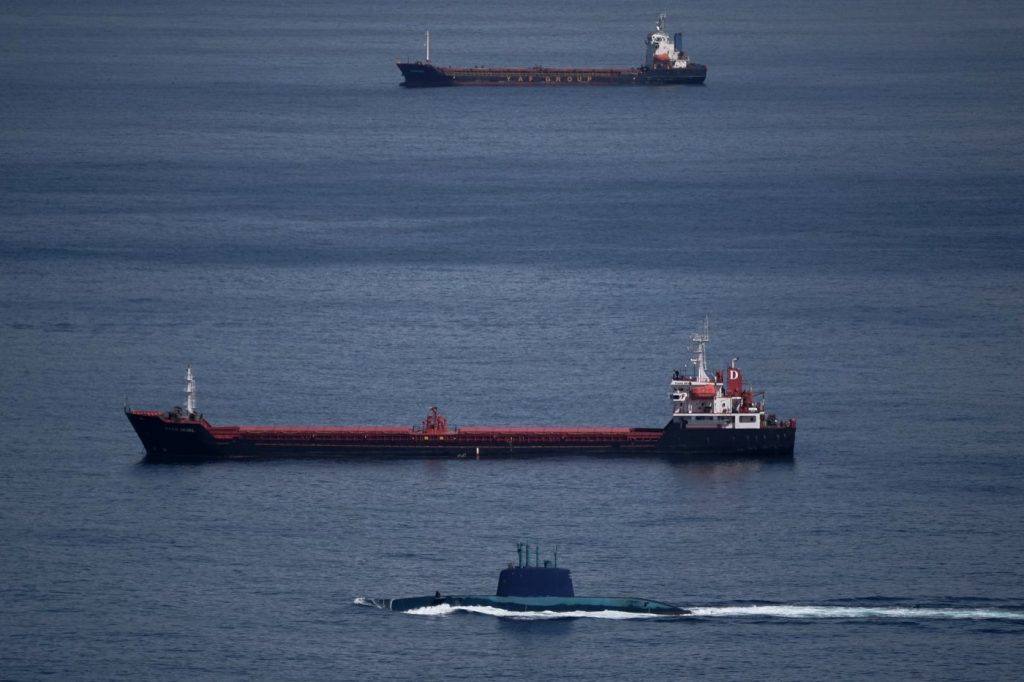
The situation surrounding the Strait of Hormuz is also pivotal, as this vital waterway accounts for 20% of the world's oil supply each day. Key Middle Eastern exporters, including Saudi Arabia, Iraq, and the United Arab Emirates, route the majority of their oil exports through this strait. Analysts suggest that Iran may have little incentive to close it off, as doing so would jeopardize its own oil exports and negatively impact its principal customer, China.
Limited military actions targeting Iran’s nuclear program or the Revolutionary Guard, which do not aim for regime change or escalate into full-scale war, could still cause oil prices to surge by $5 to $10 purely on speculation and fear, according to Rystad Energy's prewar analysis.
In stark contrast, an expanded conflict that includes Iranian interference with tanker operations could see crude oil prices rise above $90 per barrel, while U.S. gasoline prices might exceed $3 per gallon. This projection comes from Clayton Seigle at the Center for Strategic & International Studies, highlighting the potential for significant economic consequences. As of last week, U.S. gas prices averaged $2.98 per gallon, according to the American Automobile Association (AAA).
Given the current geopolitical tensions and the complex dynamics of global oil supply and demand, the coming week is likely to be critical in shaping market responses to the ongoing unrest involving Iran and its implications for oil prices worldwide.








