

The closure of the Strait of Hormuz has led to soaring fertilizer prices, significantly impacting Canadian farmers of key crops such as canola, wheat, and corn. This increase in costs is anticipated to have a ripple effect that will eventually reach consumers, likely resulting in higher grocery bills throughout 2027.
With fertilizer prices spiking, farmers are facing reduced yields and increased production costs. For example, fertilizer prices that were typically between $500 to $700 per ton have jumped to over $1,300 per ton, which has left many farmers, like canola farmer Andre Harpe from Peace River, Alberta, scrambling to adapt to the financial strain. Harpe was able to lock in his fertilizer supply at a lower price in January, but if he had waited, he would have incurred over $100,000 in additional expenses.
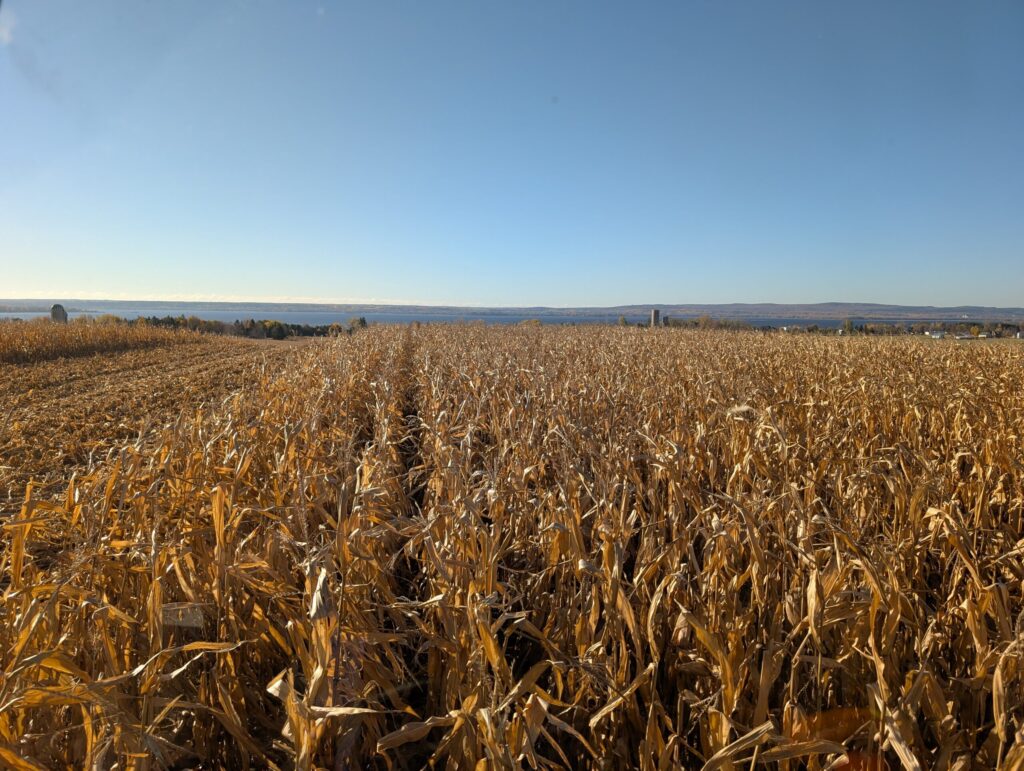
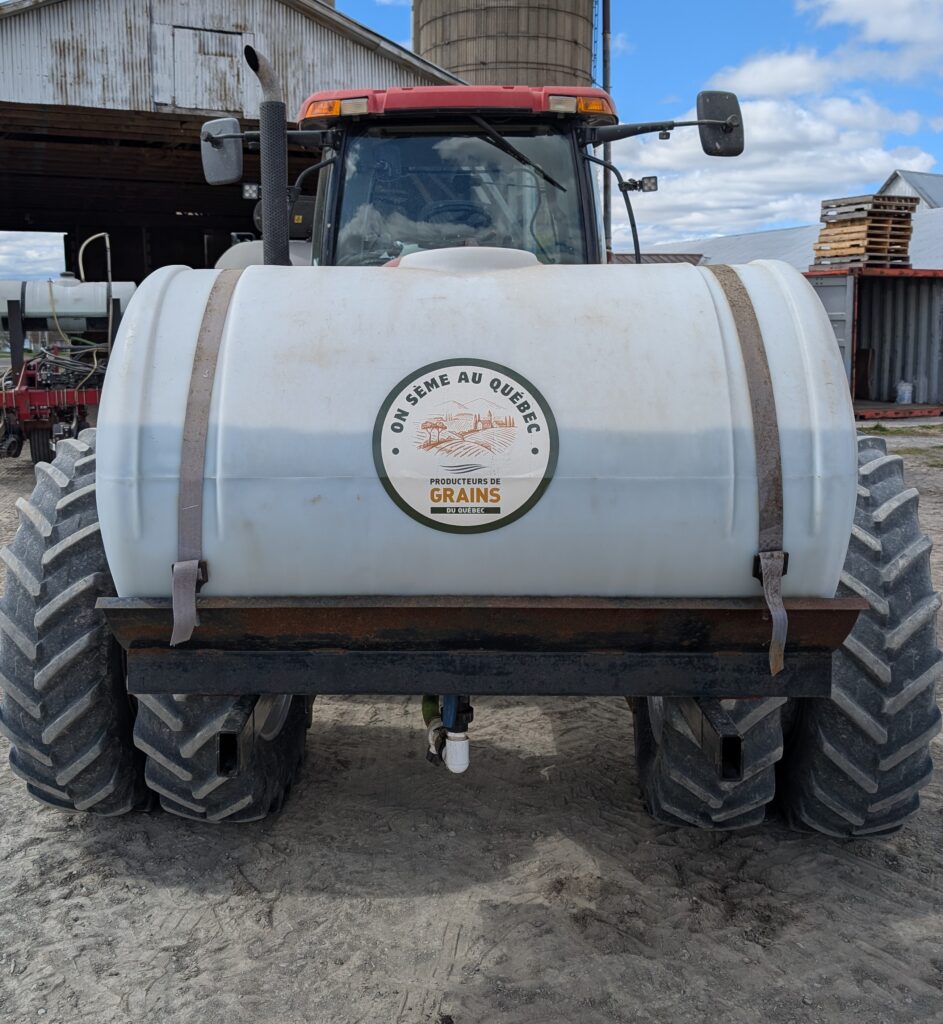
Meanwhile, on the other side of Canada, in Saint-Placide, Quebec, brothers Philipe and Sylvain Leroux are experiencing a $15,000 impact from increased fertilizer prices. They also face rising fuel costs, attributed to ongoing geopolitical conflicts in the Middle East, which further complicate their agricultural operations.
The Strait of Hormuz, a vital passageway for approximately 20% of the world’s oil, has been impacted since February 28 when Israel and the United States commenced military operations in Iran. This disruption in oil and fertilizer supply chains has caused significant financial stress for farmers already operating on narrow margins. The interconnectedness of gas and food prices means that Canadian consumers can expect notable increases in grocery bills for essential items, including baking supplies, cooking oils, meat, and dairy.
Dr. Evan Fraser, executive director of the Arrell Food Institute at the University of Guelph, explained the critical role nitrogen plays in plant growth. Though nitrogen constitutes about 70% of the air we breathe, it exists in a triple bond that plants cannot harness without significant energy input for processing. This energy primarily comes from natural gas, further tying fertilizer production to international energy markets and their fluctuations.
As farmers adapt to these shifting conditions, some are increasing their soybean acreage while reducing their wheat and corn plantings. This realignment illustrates an attempt to mitigate losses from the high costs directly associated with fertilizer, which remains essential for maximizing the yields of input-heavy crops.
'Death by a thousand cuts'
The challenges faced by Harpe in Alberta exemplify a broader trend he describes as “death by a thousand cuts,” where numerous rising costs—including those associated with fertilizer and equipment—compound the difficulties for farmers. Despite the increase in input costs, market prices for canola and barley have remained stagnant, forcing producers to absorb the financial shock without the ability to adjust selling prices correspondingly.
Farmers are being compelled to adopt new practices to manage costs effectively. Harpe has consolidated his operational tasks and has begun utilizing technology to optimize fertilizer application, ensuring that resources are used where they yield the best returns. Despite these efforts, farmers continue to operate in an increasingly volatile environment, with the uncertainty weighed down by factors like the carbon tax that applies to fertilizer despite its relief for other goods.
Double exposure
The Leroux brothers are not only grappling with rising input costs but also the implications of Canada’s tariffs on Russian and Belarusian nitrogen imports, introduced in response to the 2022 invasion of Ukraine. As the only G7 country to maintain a 35% tariff on Russian fertilizer, eastern Canadian farmers face heightened prices for an extended period. This exacerbates the challenges posed by global fertilizer disruptions.
While Canadian farmers in the Prairies have access to more diversified supply chains, those in eastern Canada find themselves adversely affected by limited options. The uncertainty stretches into the following year, making it difficult for farmers to predict their fertilizer needs and pricing, thereby contributing to potential declines in wheat and canola production.
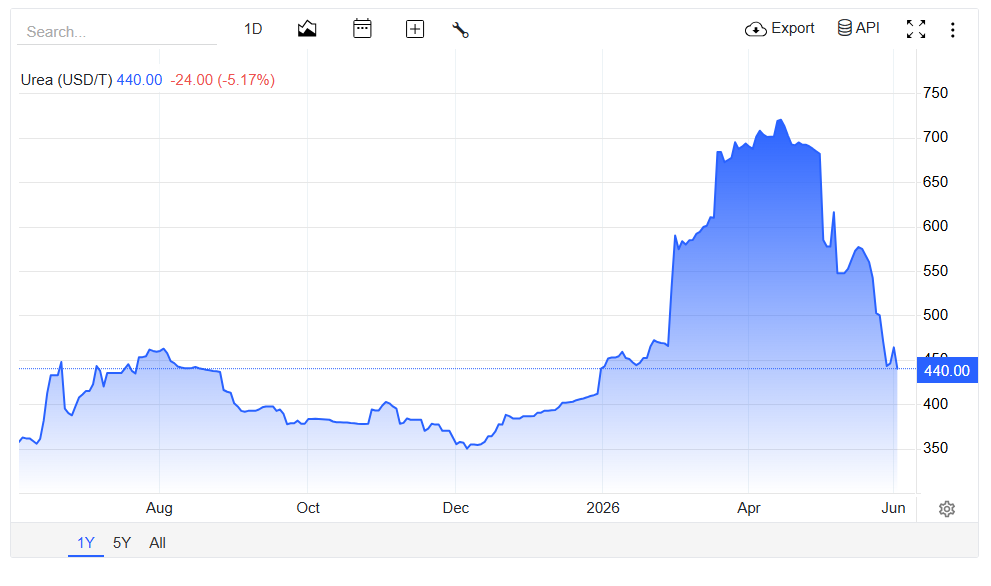
The downstream effects of these conditions could hurt consumers, particularly through higher prices for animal feed ingredients such as corn and wheat. As the costs climb, many consumers might pivot towards food banks, which are currently experiencing unprecedented demand, evidenced by one in four Canadian families facing food insecurity.
In summary, farmers and consumers alike are caught in a web of rising fertilizer costs driven by geopolitical tensions, impacting not only agricultural productivity but also the future stability of food prices. With hopes for more resilient domestic production of fertilizer, the agricultural sector grapples with the pressing need to adapt to these ongoing challenges.








