

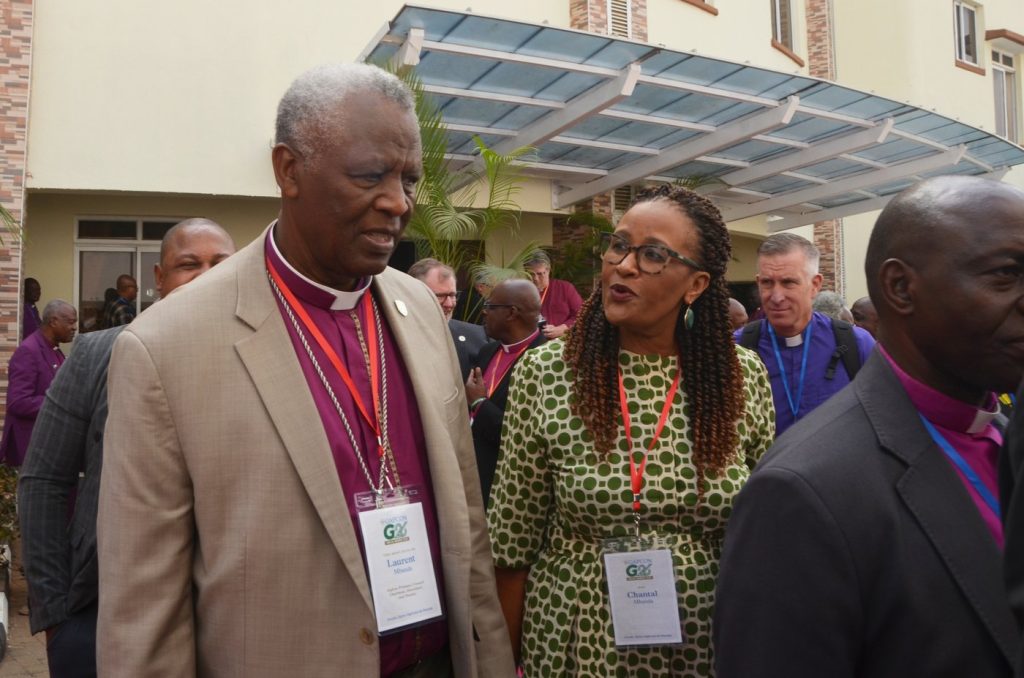
ABUJA, Nigeria (AP) — Conservative Anglican leaders have taken significant steps to restructure their organization, marking a departure from the longstanding traditions of the Anglican Communion. This realignment aims to reshape the 400-year-old church group amidst growing divisions over social issues, particularly regarding LGBTQ+ rights.
During the Global Anglican Future Conference (Gafcon), held in Abuja, Nigeria, leaders announced the dissolution of the Gafcon Primates Council, which has been replaced by a new entity known as the Global Anglican Council. This newly formed council will include primates, advisers, and guarantors, consisting of bishops, clergy, and lay members, all of whom will possess full voting rights. According to Gafcon general secretary The Right Reverend Paul Donison, this change reflects a belief that the existing Instruments of Communion no longer serve the majority of Anglicans globally.
The meeting, which took place in Nigeria's capital, attracted 436 delegates from 48 countries, representing over 180 dioceses worldwide. This assembly of conservative church leaders highlighted the growing disconnect within the Anglican Communion, particularly regarding liberal practices such as same-sex marriage and the ordination of openly LGBTQ+ clergy in predominantly Western churches.
Archbishop Laurent Mbanda of Rwanda, who was elected chair of the new Global Anglican Council, emphasized the need for Gafcon's leadership to move away from ineffective historical instruments of governance. In his remarks to the Advent Cable Network Nigeria, Mbanda stated, “We must reject those instruments that have not worked for us in the past.” His comments underscore a strong desire among conservative Anglicans to create a governance structure that is more representative of their values and beliefs.
One critical aspect of the Anglican Church's leadership structure, the role of the Archbishop of Canterbury, currently held by Sarah Mullally, who is the first woman to occupy the position, continues to be a point of contention. Mullally has faced significant challenges in her leadership role, particularly as she represents a more liberal approach compared to the conservative majority within Gafcon.
In a notable pivot last year, Archbishop Mbanda voiced his conviction for a fundamental reordering of the Anglican Communion, calling for significant changes in its structural dynamics. His statements reflect a consensus among conservative factions that the current framework is inadequate in addressing their priorities and theological stances.
The restructuring decision comes amid a backdrop of increasing fracturing within the Anglican Communion, where participation from some national churches has diminished due to disagreements over social issues. Many conservative Anglicans feel alienated from the broader Anglican community, leading them to seek alternative forms of governance that align more closely with their traditionalist views.
The events in Abuja signal a pivotal moment in the ongoing discourse surrounding the future of the Anglican Communion. With conservative factions asserting their authority and advocating for a newly structured governance model, the broader implications for Anglicanism's unity and identity will undoubtedly be scrutinized in the coming years.








