

Negotiations are set to take place on Tuesday between the provincial government of Nova Scotia and numerous long-term care workers represented by the Canadian Union of Public Employees (CUPE). These talks mark the final day of conciliation efforts aimed at reaching an agreement before a potential labor disruption.
In the lead-up to these negotiations, long-term care workers held information pickets across the province of Nova Scotia. The purpose of these actions was to raise public awareness regarding the union’s demands and to communicate the possibility of a province-wide strike within the long-term care sector. This initiative reflects the urgency felt by workers and the union in their quest for better working conditions and compensation.
Christa Sweeney, a representative from CUPE, emphasized the need for fair pay for long-term care workers, who they claim are currently the lowest paid in the region. Sweeney’s statements underline the critical issues of staffing levels and equitable wages that long-term care workers are advocating for as essential components of their negotiations.
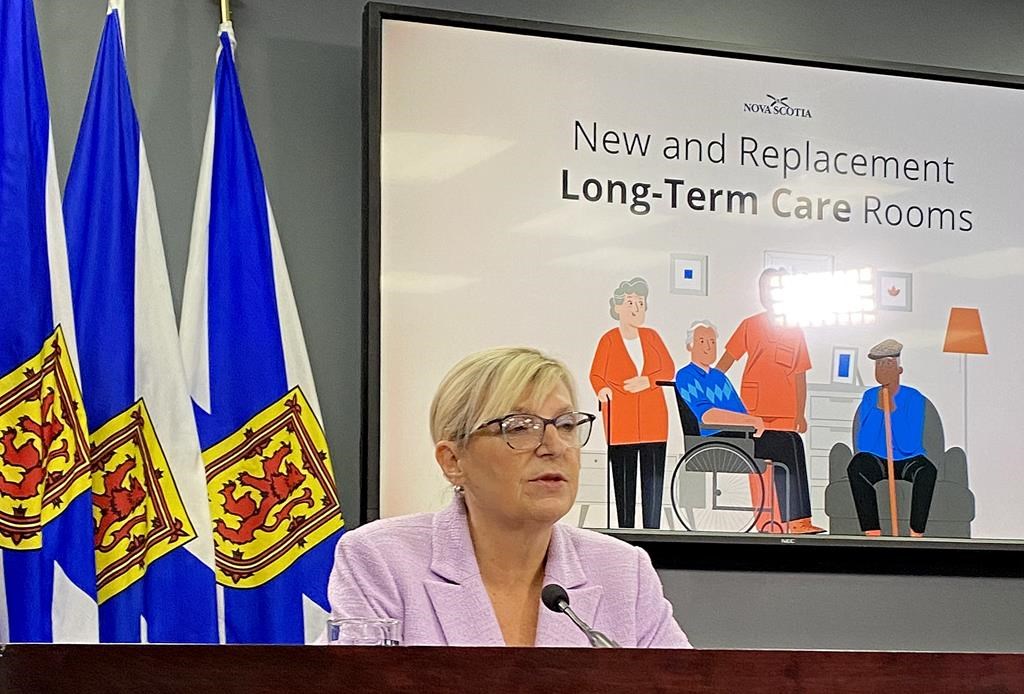
Long-term care minister Barbara Adams has expressed optimism regarding the potential for a successful agreement. Speaking last month, Adams indicated confidence that a deal could be reached, thereby averting a strike that would disrupt care services in the province. She further assured the public that contingency plans are in place to maintain essential care services should negotiations fail.
The ongoing discussions between the provincial government and CUPE present a pivotal moment for the long-term care sector in Nova Scotia. Both parties’ willingness to engage in dialogue is crucial in addressing the pressing issues surrounding worker pay and workplace conditions. The outcome of these negotiations will significantly impact the lives of the workers, the quality of care provided to residents, and the broader community.
As the deadline for an agreement approaches, the focus remains on achieving a resolution that satisfies both the workers' demands and the government's capacity to provide ongoing support for long-term care in Nova Scotia. The next few days will be critical in determining the future landscape of long-term care services in the province.








