

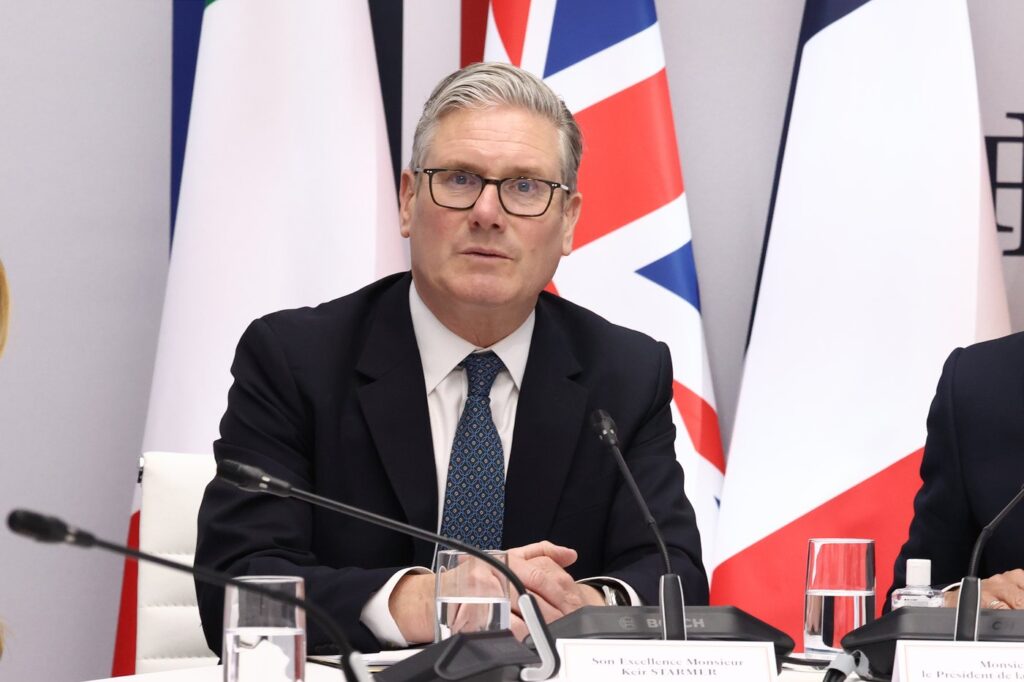
LONDON (AP) British Prime Minister Keir Starmer faces a significant crisis as he prepares to address Parliament regarding the controversial appointment of Peter Mandelson as Britain’s ambassador to Washington. Mandelson, a politician with a history of scandals and connections to Jeffrey Epstein, was appointed despite failing crucial security vetting, raising serious concerns about the process and Starmer's knowledge of the situation.
The appointment has ignited a firestorm in Parliament, with furious opponents demanding Starmer's resignation and questioning his competence. Starmer has maintained that "due process" was observed in Mandelson's appointment but expressed anger upon learning that a thorough vetting process recommended against granting Mandelson security clearance. The Foreign Office, however, proceeded with the appointment without addressing these concerns.
In a swift response to the backlash, Starmer dismissed Olly Robbins, the top civil servant in charge of the Foreign Office, after the Guardian published the details. Nevertheless, some of Robbins' supporters argue that he would not have had the authority to inform Starmer of this sensitive information, complicating the narrative surrounding the appointment.
On the opposition front, leaders such as Kemi Badenoch of the Conservative Party and Ed Davey from the Liberal Democrats have been vocal critics. Badenoch accused Starmer of misleading Parliament and the public, while Davey highlighted what he deemed "catastrophic misjudgment" in Starmer's decisions. Despite the criticism, some of Starmer's government colleagues, including Deputy Prime Minister David Lammy, have defended him, asserting that had Starmer been aware of the failed vetting, he would not have appointed Mandelson.
Within Starmer’s center-left Labour Party, anxiety is palpable, especially given the party’s poor performance in polls. This incident comes on the heels of earlier calls for his resignation over similar issues regarding Mandelson's appointment. Concerns are mounting as Labour is expected to face losses in the upcoming local and regional elections on May 7, which will serve as a crucial midterm assessment for Starmer’s government.
Critics argue that Mandelson’s appointment is indicative of a broader pattern of poor judgment by Starmer. Since leading Labour to a landslide victory in July 2024, Starmer has struggled with economic growth, tackling the cost-of-living crisis, and addressing deteriorating public services. His leadership has been marked by several contentious policy U-turns, further eroding confidence among party members.
Starmer's decision to appoint Mandelson—despite warnings from his staff about potential "reputational risks" associated with Mandelson's past ties to Epstein—has intensified scrutiny of his leadership capabilities. Mandelson's prior business associations with Russia and China also raised alarm bells, yet were overlooked in favor of his experience as a former European Union trade chief and connections with global elites that were deemed beneficial for engaging with then-President Donald Trump’s administration.
Ultimately, Mandelson held the ambassadorship for less than nine months before being dismissed by Starmer in September 2025, following revelations that he had misrepresented the depth of his connections to Epstein. Recent disclosures from a trove of Epstein-related documents revealed that Mandelson had, in fact, shared sensitive government information with Epstein in 2009 during the aftermath of the global financial crisis.
Subsequently, British police initiated a criminal investigation and arrested Mandelson in February 2026 on suspicion of misconduct in public office. While Mandelson has denied any wrongdoing and has yet to face charges, the situation continues to cast a long shadow over Starmer's leadership and decision-making.








