

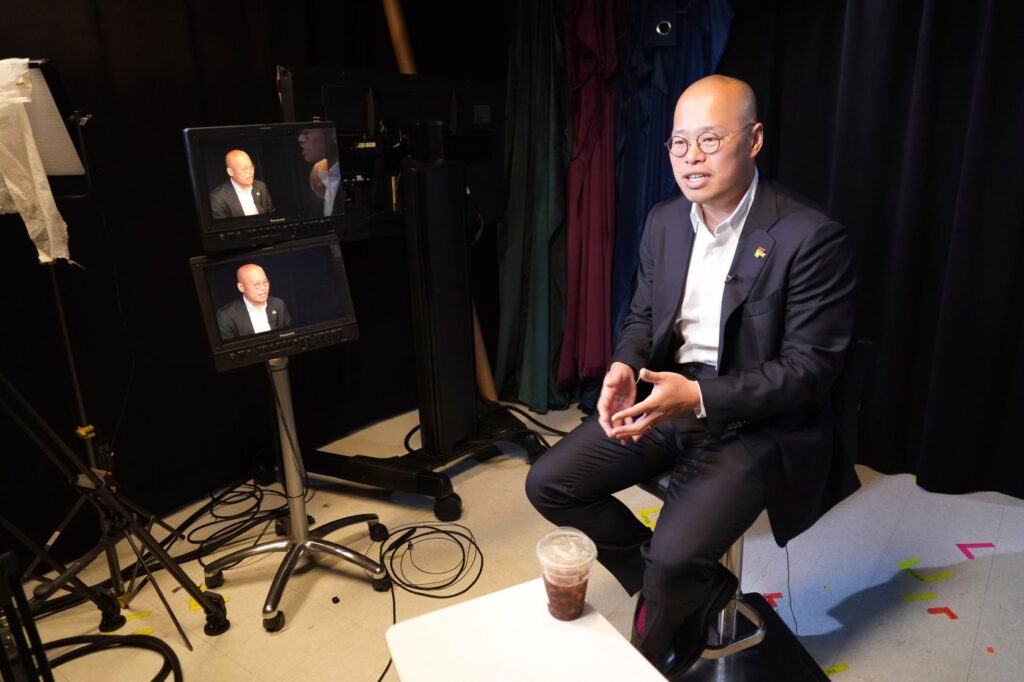
HONG KONG (AP) — Pro-democracy activist Jimmy Lai has faced severe repercussions under Hong Kong’s national security law, which he had once hoped U.S. President Donald Trump could help halt. The law resulted not only in Lai's imprisonment but also led to his sentencing to 20 years behind bars. His family is now appealing to Trump for assistance in securing his release ahead of Trump's upcoming trip to Beijing to meet with Chinese President Xi Jinping.
Lai, a notable critic of Beijing, was the founder of a pro-democracy newspaper that was shut down during the crackdown following large-scale anti-government protests in 2019. His situation is seen as indicative of the diminishing freedoms that Beijing promised would be upheld when the former British colony returned to Chinese sovereignty in 1997. His son, Sebastien Lai, has expressed grave concerns regarding his father's health and wellbeing, emphasizing that time is becoming increasingly critical for the 78-year-old Lai.
Trump, during his anticipated discussions with Xi, is expected to address critical matters including trade, the ongoing conflict in Iran, and Taiwan. However, he has also indicated a desire to bring up Jimmy Lai's situation, expressing a sense of bitterness regarding how Lai has been treated. Sebastien noted that the family holds hope that Trump's influence could facilitate his father's release, suggesting that resolving Lai's case may be less complex than other geopolitical issues on the agenda.
The U.S. has shown limited diplomatic progress regarding Lai's situation. Trump has previously voiced sympathy for him, mentioning Lai's case at a meeting with Xi. Mark Clifford, president of the Committee for Freedom in Hong Kong Foundation, has provided insight into U.S.-China discussions, suggesting that Chinese officials have been more receptive to the topic of Lai’s release in recent dialogues. However, Beijing's official stance has remained harsh, dismissing Lai's situation as unrelated to press freedom and labeling him as a prominent instigator during the city’s protests.
Despite a growing call from over 100 bipartisan U.S. lawmakers encouraging the White House to advocate for Lai's release at the summit, achieving success remains a complex challenge amid rising U.S.-China tensions. Activists have noted a trend indicating that China is less willing to release those who confront its authority over human rights issues, calling into question the effectiveness of U.S. diplomatic efforts under the current administration.
The potential for a favorable resolution might hinge on both parties' diplomatic strategies. Observers speculate that China might consider releasing Lai as a sign of goodwill if the U.S. is willing to make concessions on other critical issues. Nonetheless, some experts believe that the chance for a diplomatic solution will be slim, as Beijing aims to send a strong message through Lai’s case while also navigating international scrutiny with careful calculation.
In light of his prolonged incarceration, Jimmy Lai has decided not to appeal his conviction. The Hong Kong government continues to classify Lai as a Chinese citizen, even as they pursue the seizure of his assets on national security grounds. Both he and his family remain anxious about his deteriorating health, evidenced by Lai's earlier reported issues with heart palpitations and diabetes. Sebastien Lai insists that if his father is not released soon, the Chinese government would bear responsibility for his potential death in custody.
As the road to freedom for political prisoners in China becomes increasingly precarious, the international community's response and rallying around Jimmy Lai's case could dictate the trajectory of human rights advocacy in the region.








