

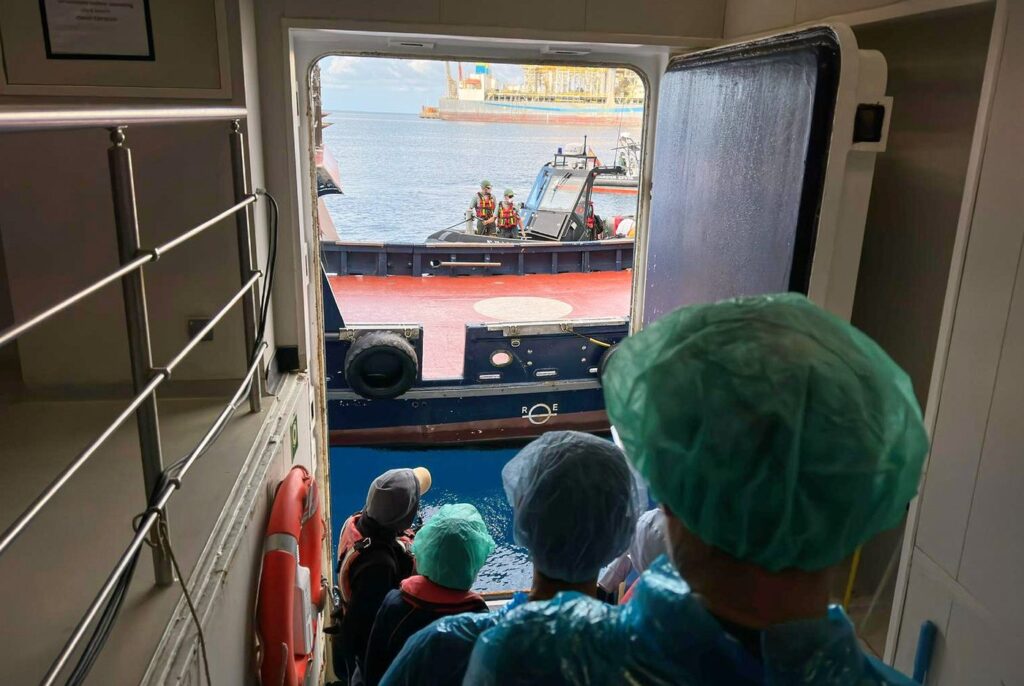
Passengers began disembarking from the hantavirus-stricken cruise ship MV Hondius in the Canary Islands, specifically at the port of Granadilla in Tenerife, Spain, on May 10, 2026. Following reports of a hantavirus outbreak on the ship, immediate actions were taken to ensure the safety and health of the passengers. The disembarkation process involved a coordinated effort by local authorities and health officials to manage the situation effectively amidst growing concerns for public health.
The evacuation process unfolded smoothly at Granadilla port as passengers were systematically disembarked from MV Hondius. Emergency services and media personnel were present to document the event, highlighting the scale of the operation. The cruise ship's arrival in the Canary Islands marked a significant point in the response to the hantavirus incident, as passengers waited to be evacuated back to their home countries. The situation called for intense scrutiny by health officials, given the contagious nature of the virus and the need for thorough screening measures.
Throughout the day, passengers were subjected to temperature screenings conducted by Spanish government officials before boarding planes destined for various locations. Photos from the scene depicted a diligent effort by emergency crews to contain any potential spread of the virus. Some passengers were seen waving to the Guardia Civil officers as they made their way off the ship, a glimpse of relief amidst the mounting tension. Temperature scanners were used extensively, ensuring that anyone displaying symptoms was addressed immediately.
In total, a significant number of passengers disembarked from the cruise ship, with many set to board planes that would take them to their respective countries. Among them were travelers from diverse nationalities, all of whom faced the unsettling experience of disembarking from a vessel impacted by a health crisis. Disinfectant was sprayed on individuals before they boarded their evacuation flights, further illustrating the precautions being undertaken to mitigate any potential health risks associated with the hantavirus.
As the scene unfolded, it became clear that media outlets were closely covering the event, showcasing the human stories and challenges faced by the passengers. The authorities’ response emphasized public safety and health as paramount concerns. Scenes captured reflected an assortment of emotions, from relief to anxiety, as passengers navigated their uncertain circumstances after experiencing a health crisis on board their cruise ship.
In the face of this unfortunate situation, the resilience of the passengers was evident. Many were reunited with family and friends waiting at the airport, while others expressed gratitude for the assistance they received from the Spanish government and health officials. Moving forward, this incident serves as a reminder of the complexities faced by the cruise industry in the context of public health, particularly concerning communicable diseases.
Ultimately, the effective management of such health emergencies is crucial not just for those directly affected, but for communities at large as well. The disembarkation of passengers from MV Hondius is a case study in crisis response that highlights the importance of preparedness in the travel and tourism sectors. Lessons drawn from this experience will inform future protocols to mitigate risks associated with health outbreaks on cruise ships.








