

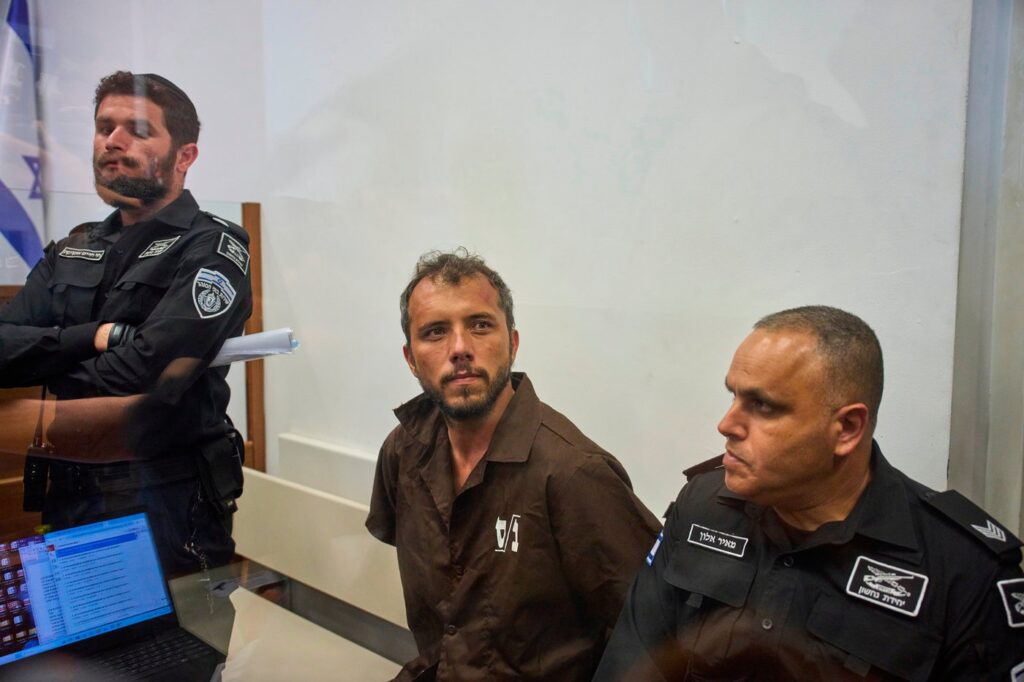
On Sunday, Israel deported two activists after detaining them for over a week. The activists, Spanish-Swedish citizen Saif Abukeshek and Brazilian citizen Thiago Ávila, were leading an aid flotilla that aimed to break the Israeli naval blockade of the Gaza Strip. Both individuals are part of the Global Sumud Flotilla's steering committee, which seeks to deliver humanitarian aid to Palestinian territories.
The Israeli Foreign Ministry characterized Abukeshek and Ávila as "professional provocateurs" and reiterated that Israel would not tolerate any violations of its lawful naval blockade on Gaza. Upon their arrest, Israeli authorities stated that Abukeshek was “suspected of affiliation with a terrorist organization” while Ávila faced allegations of “illegal activity,” although no formal charges have been disclosed.
Spain and Brazil have expressed their outrage at the actions of the Israeli government, describing the detention of their citizens in international waters as a form of kidnapping. Their apprehension led to solidarity protests across various countries. In total, the Israeli navy intercepted 22 boats and detained 175 activists, with accounts describing Israeli forces storming the vessels, damaging engines, and detaining individuals on board. This incident occurred hundreds of miles from Gaza and Israel during the night from Wednesday to Thursday.
Israeli officials justified their preemptive actions against the flotilla by citing "the high number of boats involved." This latest attempt by the flotilla to reach Gaza comes less than a year after a previous effort was thwarted by Israeli authorities, which had involved about 50 vessels and approximately 500 activists, including notable figures like climate activist Greta Thunberg.
Following their arrest, Ávila reported that the Israeli authorities had mistreated them during their detention, claims that Israeli officials have denied. The recent deportation of the two activists underscores the ongoing tensions surrounding the Israeli blockade of Gaza and its enforcement.
Amidst these events, an Israeli airstrike in Gaza has resulted in the death of at least two individuals, including a Hamas police officer named Col. Wessam Abdel-Hadi. The attack occurred late Sunday morning in the Al-Amal neighborhood of Khan Younis, as confirmed by the Nasser hospital, which received the casualties. The Israeli military has stated that it is investigating the circumstances surrounding the strike.
These fatalities mark the latest casualties among Palestinians in Gaza since a fragile ceasefire was established in October following more than two years of conflict between Israel and Hamas. Although major fighting has subsided, the ceasefire has not eliminated hostilities entirely, with Israeli forces reportedly conducting airstrikes and firing on Palestinians near military-held zones regularly. According to Gaza's health ministry, this violence has resulted in the deaths of at least 850 Palestinians since the ceasefire began, although the ministry does not differentiate between civilians and militants in its casualty reports.
The dynamic between Israeli forces and militants remains tense, with both sides engaging in attacks and counterattacks. Since the ceasefire took effect, four Israeli soldiers have also lost their lives to militant fire.
The situation continues to evolve as international scrutiny remains high, particularly regarding the treatment of activists and the humanitarian crisis in Gaza. The deportation of Abukeshek and Ávila reflects the broader conflict and the complexities of international relations in this region.








