

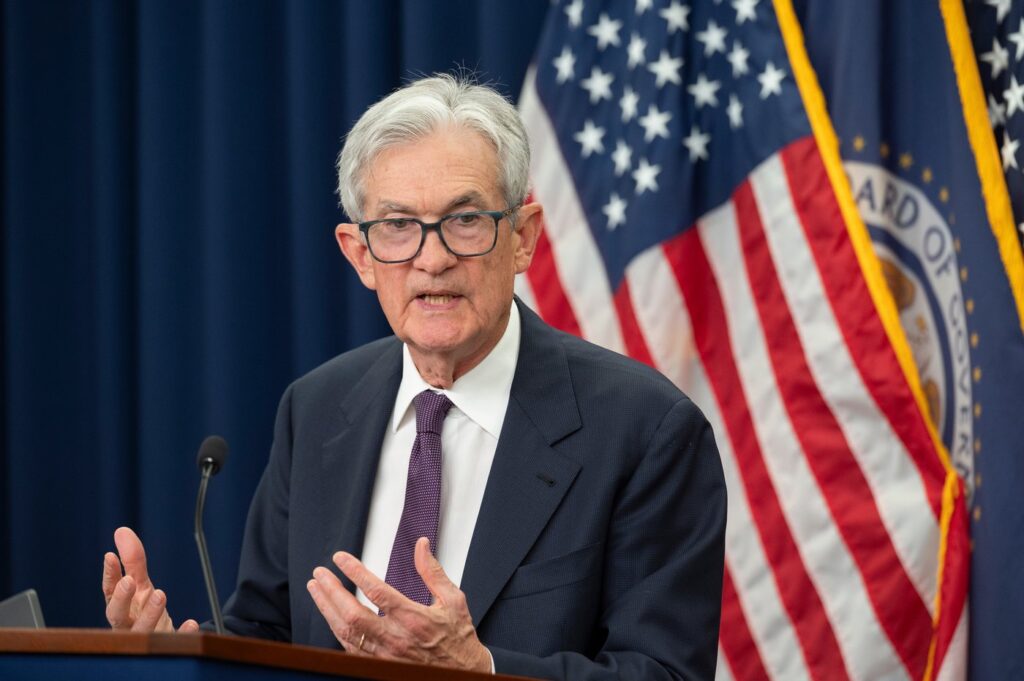
When Jerome Powell was sworn in as the chair of the Federal Reserve eight years ago, the economic landscape in the United States was marked by low inflation and low interest rates, with concerns about inadequate job availability. Now, as Powell prepares to step down after a tumultuous tenure, the economy has undergone significant changes. Following the pandemic, inflation surged, remaining above the Federal Reserve's 2% target for over five years, which has frustrated voters and made essentials like rent, cars, and groceries increasingly unaffordable. In 2023, the Fed's short-term interest rates reached a two-decade high despite unemployment dropping to a half-century low.
Throughout his time in office, Powell faced personal attacks from former President Donald Trump, particularly in the months following his appointment. In January, Powell responded firmly to a unique legal investigation by the Justice Department, positioning himself as one of the few senior officials willing to oppose the Trump administration. He has indicated that he will continue serving on the Fed's governing board until he is confident that the central bank's independence is fully restored. His defense of the Fed from political interference is expected to be a key aspect of his legacy.
One of the most significant elements of Powell's tenure is the persistent inflation that followed the pandemic, culminating in a peak consumer price increase of 9.1% in June 2022—an unprecedented rise not seen in four decades. Prices have escalated by 27% since just before the pandemic, affecting items such as groceries and rent, which saw substantial price increases compared with previous years. Initially, Powell and other Fed officials described the inflation surge as "transitory," attributing it to pandemic-related supply chain disruptions. However, the Fed maintained its low-interest-rate policy until March 2022, even as inflation escalated significantly.
Federal spending during the Trump and Biden administrations, amounting to approximately $5 trillion in stimulus measures, further fueled consumer demand, coinciding with supply chain issues that hindered product availability. Critics argue that the Fed's prolonged low-rate policy contributed to inflationary pressures and excessive spending. Some economists contend that despite clear indicators of rising aggregate demand, the Fed misinterpreted the inflation situation, leading to delayed responses that exacerbated economic challenges.
As the inflation concern spread and public sentiment turned against it, Powell pivoted to oversee a dramatic increase in interest rates—the most significant since the early 1980s. Despite widespread fears that combating inflation would require a recession and rising unemployment, the Fed managed to reduce inflation to 2.3% by September 2024, almost achieving its 2% target without triggering an economic downturn, thus realizing an elusive "soft landing."
Initially, Powell's focus as chair was more aligned with fostering maximum employment, as he advocated for the benefits of a robust job market, particularly for disadvantaged workers. However, some economists believe that the emphasis on employment delayed the Fed's response to inflation. In his August 2021 speech, Powell emphasized the elevated unemployment rate as a reason to refrain from immediate rate hikes, showcasing the balancing act he navigated between employment and inflation concerns.
Powell's resolve to uphold the Fed's independence stands out, especially amid pressures from Trump, who criticized the Fed's expenditures, including a significant renovation project. An incident where Powell corrected Trump regarding project costs highlighted his willingness to challenge political narratives. Such independence is essential for enabling the central bank to implement necessary but politically unpopular measures, such as raising interest rates to control inflation.
Research indicates that Powell's approach has included significant efforts in relationship-building with Congress, meeting with senators more frequently than his predecessors and maintaining dialogue across party lines. Inclusion in political discourse, even with critics of some of his policy decisions, has garnered him respect for safeguarding the Federal Reserve’s independence, which remains crucial for the institution's credibility and its ability to act in the public interest.








