

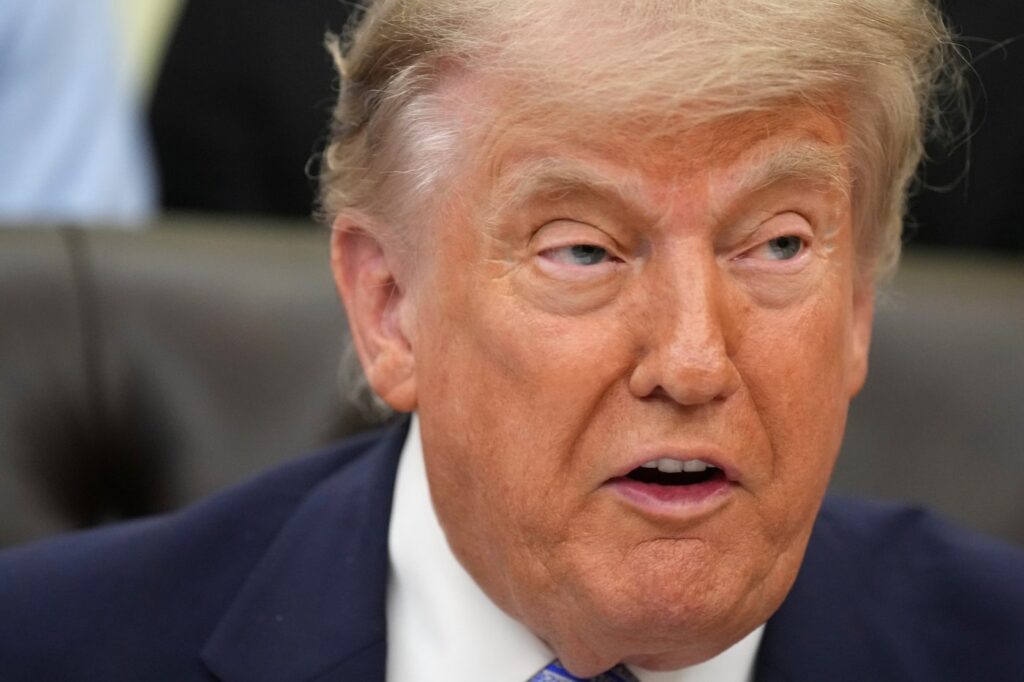
On Thursday, President Donald Trump postponed a signing ceremony for a new executive order concerning artificial intelligence (AI). The decision was influenced by his concerns that the content of the order might undermine America's competitive edge in AI technology. This announcement came just hours before the ceremony was set to occur in the Oval Office.
Trump expressed his apprehension about the implications of the order, emphasizing the importance of maintaining the United States' lead in the AI sector over countries like China. He stated, "We’re leading China, we’re leading everybody, and I don’t want to do anything that’s going to get in the way of that lead," highlighting the competitive landscape surrounding AI advancements.
The proposed government action was partially fueled by increasing anxiety within the banking industry and other sectors regarding AI's capabilities to detect cybersecurity vulnerabilities in existing software systems. There has been considerable dialogue among Trump administration officials concerning the cyber capabilities of advanced AI models, particularly the new Mythos model developed by the company Anthropic. However, this specific AI model has not been broadly disclosed to the public.
This development underscores the growing intersection between advanced technology and national security, as officials grapple with the balance between innovation and regulation. The reluctance to move forward with the signing ceremony reflects the complexities associated with formulating policy in uncharted technological territories.
In light of these concerns, the administration's approach to AI governance will likely continue to evolve as it aims to foster innovation while mitigating risks associated with powerful AI systems. The postponed signing of the executive order highlights the ongoing debate about how best to navigate the rapid advancements in AI and ensure that the United States remains at the forefront of this critical technology.








