

MONTRÉAL – A recent five-year progress report has revealed that fewer than half of the recommendations stemming from the 2019 public inquiry into Quebec's youth protection services have been fully or largely implemented. This inquiry was initiated following the tragic death of a seven-year-old girl in Granby, Quebec, who died from asphyxiation after being bound with duct tape, despite being known to youth protection officials.
The inquiry, launched in response to public outrage over the case, highlighted severe flaws in the province's ability to safeguard vulnerable children. The inquiry’s report, released in 2021, put forward a total of 64 recommendations to reform the youth protection system. Five years later, the government reports that only 29 of these recommendations have been largely or completely fulfilled, while an additional 27 have seen partial implementation.
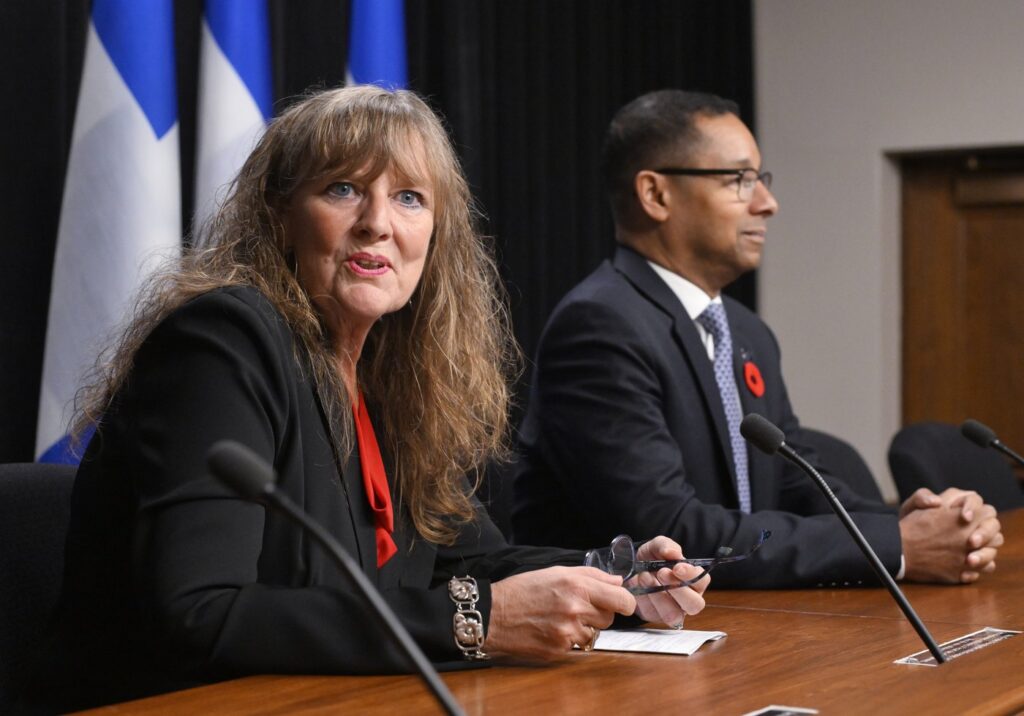
During a news conference on Tuesday, Social Services Minister Lionel Carmant acknowledged that "significant progress" has been made in addressing systemic issues. However, he emphasized that the transformation of such a complex system demands time, rigor, and consistency, indicating that the work is far from finished.
Lesley Hill, the national director of youth protection, echoed this sentiment, explaining that while improvements have been noted, challenges remain, particularly in staffing. The report indicates that eight recommendations have either seen little or no progress. Among these is the consolidation of youth intervention teams, which are reported to be unevenly distributed across the province.
To tackle this issue, the government launched a new strategy in April aimed at establishing a province-wide rollout of youth intervention teams, particularly to handle complex cases of neglect. Hill pointed out that neglect accounts for approximately half of all cases dealt with by the youth protection system, highlighting the critical need for immediate and effective intervention to ensure the safety and development of children.
Carmant also mentioned the necessity of fostering a cultural shift regarding the perception of child protection services. He noted that the public often makes hasty calls to youth protection, pointing out instances that may not require intervention. “The Youth Protection Act is an exceptional law,” he stated, cautioning against the misuse of the system for less severe concerns, such as a child’s eating habits or behavioral issues related to autism.
Efforts are being made to enhance the capabilities of front-line service providers, including family doctors, social workers, and psychologists, to give families more resources and options before escalating issues to youth protection services. In the past, there was a consistent rise in calls to youth protection, growing by 10-15% annually. This year has seen a more modest uptick of approximately 1-2%, with the hope for a decrease on the horizon.
Additionally, Quebec has appointed its first commissioner for children’s well-being and rights, Marie-Ève Brunet-Kitchen, who released her first report last week. This report urged the adoption of a Quebec charter of children’s rights, which aligns with the recommendations of the public inquiry. However, Carmant indicated that he is skeptical about the charter being adopted during the current legislative session, suggesting that significant work must follow the upcoming October election.
The developments noted in this report demonstrate the ongoing efforts and challenges within Quebec's youth protection system. As the government continues to address the recommendations made in the inquiry, the well-being of children in the province remains a priority amid the ongoing cultural and systemic challenges.








