

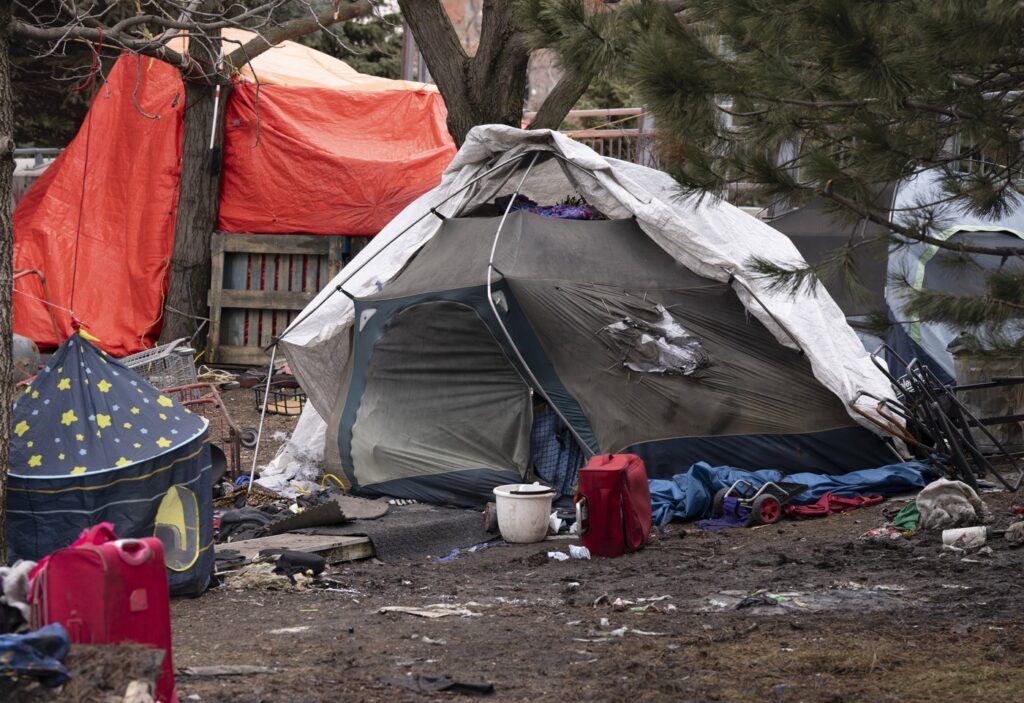
MONTREAL - The Quebec Superior Court has issued a ruling that prevents the City of Montreal from dismantling a homeless encampment located under an overpass near a skate park. The decision comes amidst ongoing tensions regarding public space and housing for the homeless population in the city.
On June 10, 2026, Judge Alexandre Pless ruled that the city failed to provide a safe and suitable alternative for the ten individuals who have been living in tents under the Van Horne overpass since the fall of 2025. This ruling signifies a significant moment in the ongoing discourse about homelessness and urban governance in Montreal.
The city had previously issued a notice to residents, requesting them to relocate to facilitate public access to the adjacent skate park and basketball court. However, Judge Pless criticized the city's proposed alternatives, arguing that they did not comply with a bylaw that had been adopted earlier in the year concerning homelessness.
The specific bylaw in question states that relocating a homeless encampment should be considered a last resort. It requires the city to identify designated zones where tents are permitted, emphasizing a more compassionate and structured approach to dealing with homelessness.
The injunction preventing the eviction of the encampment residents was sought by the Mobile Legal Clinic, an organization dedicated to promoting access to justice for those experiencing homelessness. This legal intervention highlights the growing awareness and activism around homelessness in Montreal, as well as the need for the city to adhere to its own regulations.
Judge Pless's indefinite injunction means that the ten individuals living in tents will not be evicted until a comprehensive hearing can be conducted to assess the case properly. This ruling puts the city’s responsibilities under scrutiny, urging officials to find humane solutions to the complex issue of homelessness while balancing the needs of the broader community.
This legal development follows a series of similar cases across Canada, where municipal governments grapple with the challenges posed by visibly unhoused populations in urban areas. The ruling speaks not only to the situation in Montreal but also to the broader national conversation regarding the treatment and rights of homeless individuals. As cities strive to manage public spaces while addressing social inequities, this case serves as a pivotal instance of how the law can influence municipal policy and practices surrounding homelessness.
With the court's decision, attention will now turn to how the City of Montreal will respond and what steps it will take to comply with its own bylaws regarding homelessness. The outcome of this case could set a precedent for how urban areas across Canada handle similar situations in the future, shaping the landscape of homelessness policy nationwide.








