

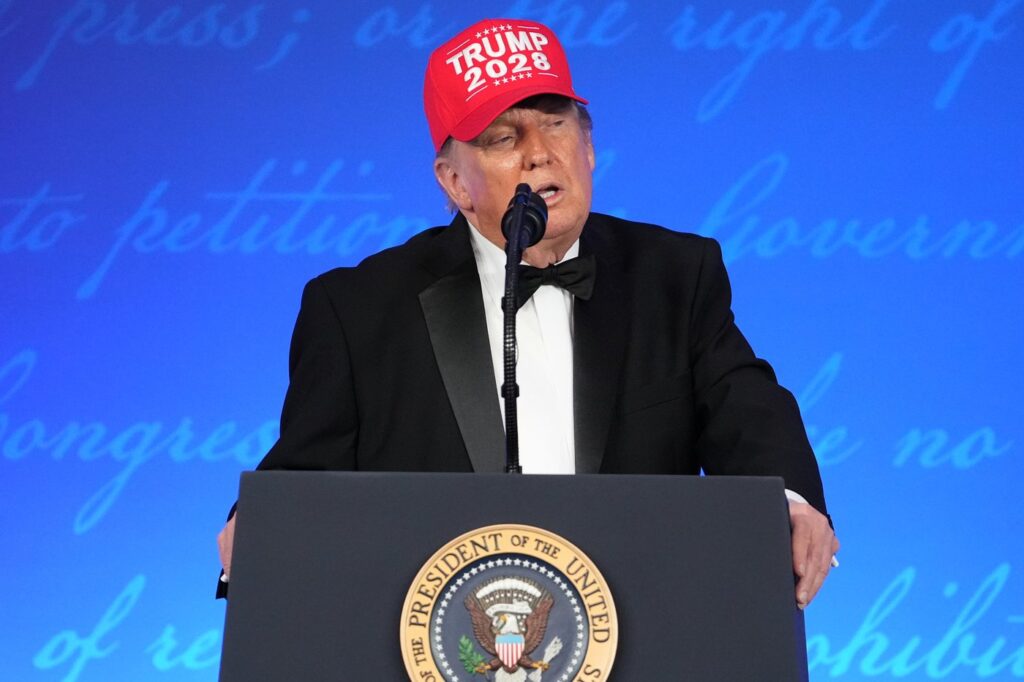
In recent developments, U.S. President Donald Trump has taken to making crude remarks about Canada, with his rhetoric increasingly being adopted by rank-and-file Republicans. Phrases such as calling Canada the “51st state” or referring to Prime Minister Mark Carney as a “governor” have become commonplace, reflecting a growing trend among the Republican base to express negative sentiment toward Canada.
According to Robert C. Rowland, a professor of rhetoric at the University of Kansas, this shift can be attributed to Trump's declining poll numbers, which have been affected by his controversial policies and the unpopularity of the ongoing war with Iran. In his search for scapegoats to deflect criticism, Trump has frequently targeted Canada, resulting in a noticeable change in attitudes among his supporters, including some members of Congress.
Polling data indicates a significant shift in how Republicans perceive Canada. While overall, most Americans maintain a positive view of Canada, the favorable rating among Republicans has dropped dramatically. Gallup polling data reveals that the approval rating of Canada among Republicans plummeted by 23 points, falling from 85 percent in 2025 to just 62 percent in 2026. This stark decline underscores a growing skepticism within the Republican Party regarding the U.S.-Canada relationship.
This change in perception is raising concerns about the future of diplomatic ties between the two nations. The negative rhetoric not only impacts public opinion but potentially influences policy decisions that could affect trade, security, and cross-border cooperation. As Trump's administration continues to navigate domestic and international challenges, the ongoing public discourse around Canada serves as a revealing case study in the current political climate in the United States.
The implications of these developments are significant. As Republicans express more skepticism about Canada, it remains to be seen how this will affect bilateral relations moving forward and whether the trend will persist beyond the current political landscape. The shift in public opinion could shape future interactions between the two countries, impacting areas such as trade agreements, environmental cooperation, and joint initiatives on a range of issues.








