

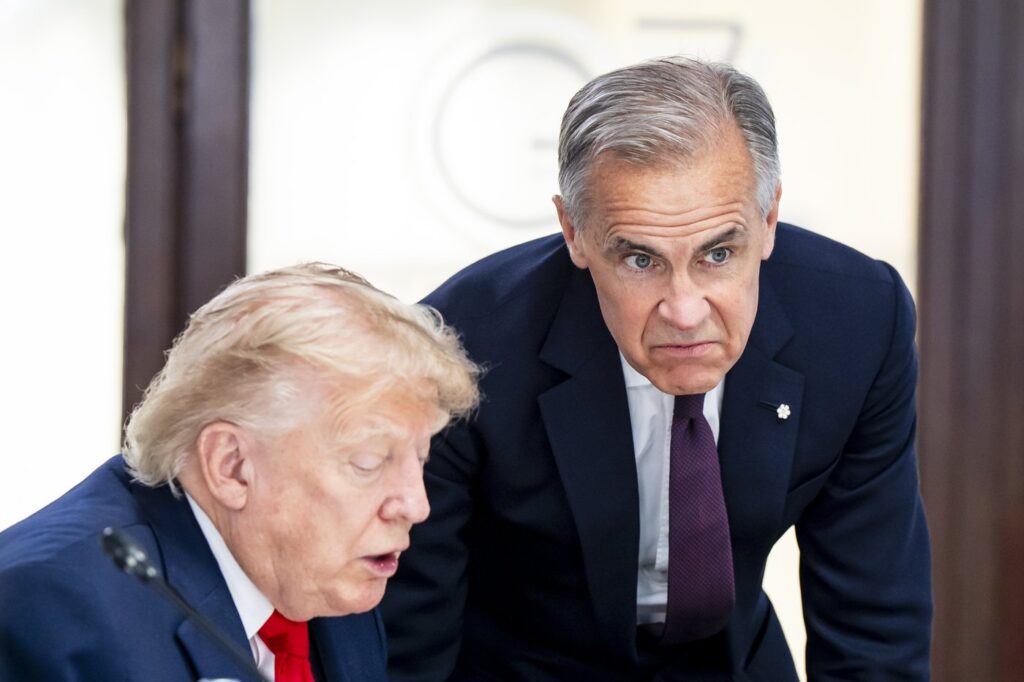
Canadians are expressing a strong desire for their government to respond to the latest tariff threats from U.S. President Donald Trump, despite a decline in confidence regarding Prime Minister Mark Carney's ability to negotiate a favorable outcome. This sentiment comes from a recent survey conducted by the Angus Reid Institute between July 23 and 25, revealing that many Canadians are gearing up for potential trade disputes as Trump threatens to impose 50 percent tariffs on a broad range of Canadian goods that currently enjoy tariff-free status under CUSMA.
The new tariffs could be enacted starting August 19 if an agreement is not reached, prompting a significant public response. The data indicates that only seven percent of Canadians are willing to concede to U.S. demands to avoid tariffs. In contrast, a substantial 62 percent of respondents advocate for counter-tariffs from the Canadian government, with differing opinions on the extent of the retaliation:
- 34 percent support matching U.S. tariffs dollar for dollar.
- 28 percent favor a more measured counter-response.
- 19 percent prefer to pursue negotiations instead.
- Seven percent would opt for concessions to the U.S.
The inclination towards retaliation resonates across various political affiliations, although past Conservative voters are nearly split on whether to negotiate or retaliate. This political consensus indicates a general concern over economic stability in light of potential tariffs.
Compounding these concerns, public confidence in Prime Minister Carney's negotiation skills has diminished since the spring, with only 43 percent of Canadians currently believing he can achieve a favorable deal, down from 51 percent in April. About half of Canadians express doubt regarding the government's negotiating stance, with 26 percent suggesting that Carney's team lacks the necessary skills to handle negotiations with Trump effectively, and 24 percent noting the unpredictability of the Trump administration as a significant barrier to reliable negotiations.
Shifting Consumer Habits Amid Trade Tensions
Amid the escalating tariff threats, Canadians are altering their purchasing habits, demonstrating their frustrations through consumer choices. Prior to Trump's proposed 50 percent tariffs, retail tracking data from NielsenIQ revealed a notable decline in the purchase of U.S.-made products. Sales of American food products dropped nearly seven percent in early 2025, while sales of spirits from the U.S. fell dramatically, down by two-thirds nationwide after provinces took them off store shelves.
The trend reflects a growing awareness of product origins among Canadian shoppers, with 40 percent checking for grocery origins and 39 percent for alcoholic beverages. The majority of these individuals report that they opt for Canadian or other non-U.S. alternatives when they notice American goods. This shift in consumer behavior seems resilient, as over half of Canadians (52 percent) stated they likely or definitely would not purchase U.S.-manufactured vehicles, and 60 percent indicated they would avoid American wine, beer, and spirits. Additionally, approximately 73 percent of respondents plan to exclude American eggs and 70 percent to avoid American dairy products from their shopping lists.
Overall, the Angus Reid Institute's survey, which included responses from 1,790 Canadian adults, underscores the critical state of Canadian public opinion regarding impending trade disputes with the United States and the broader implications for consumer behavior.








