

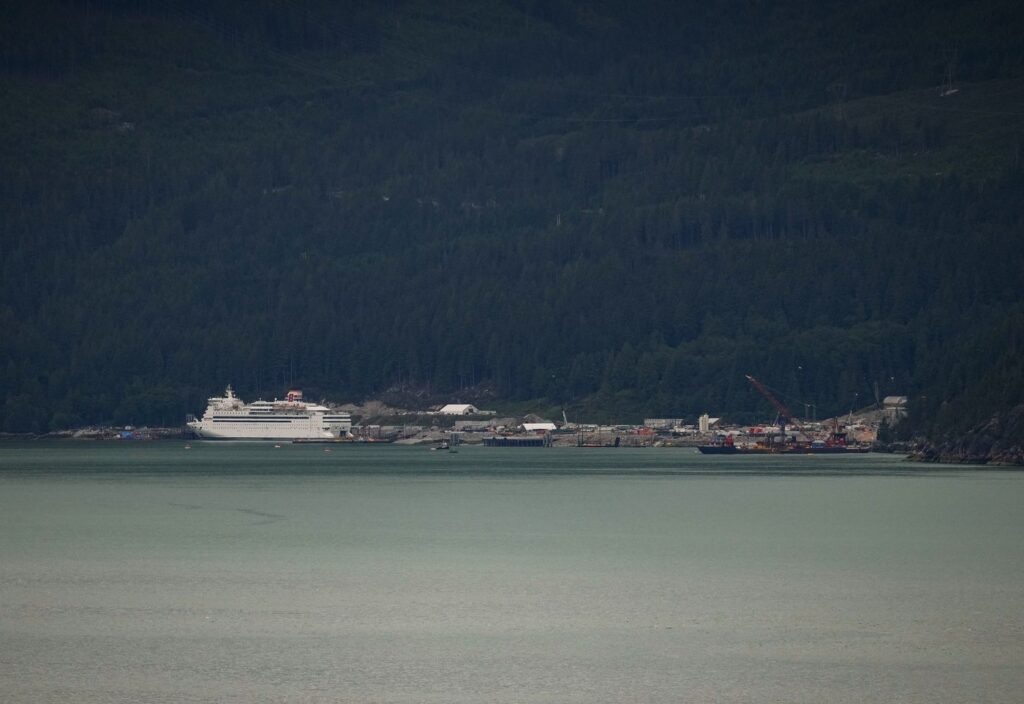
CALGARY – In an interview at the Global Energy Show in Calgary, Luke Schauerte, the CEO of the Woodfibre LNG project currently under construction in British Columbia, expressed confidence in Ottawa's efforts to position Canada as a reliable energy supplier. His remarks come in the wake of Ksi Lisims, another British Columbia LNG project, securing preliminary supply agreements with German utilities, highlighting a growing interest in Canadian liquefied natural gas (LNG) on the global stage.
Schauerte emphasized the complexity and sophistication of the global LNG market, noting the emergence of innovative "swap deals" between buyers and sellers located on opposite sides of the world. Such agreements were rarely discussed just a few years ago, indicating a significant shift in the dynamics of LNG trading and supply chains. Most of the Canadian LNG projects are concentrated in the northwestern coast, but Woodfibre, located further south in Squamish, B.C., is making strides toward completion.
As of now, Schauerte reported that the Woodfibre LNG project is 65 percent complete, with a focus on connecting its various components throughout the year and a target startup date set for next year. A notable aspect of the Woodfibre project is its recognition of the Squamish Nation, a non-treaty Indigenous government, as a full environmental regulator. Schauerte articulated his belief that Canadian LNG can be seen as "Indigenous LNG," reflecting a commitment to collaboration with Indigenous communities in the region.
The ownership structure of the Woodfibre project is noteworthy, with Pacific Energy Corp., a division of the Singapore-based RGE group of companies, holding a 70 percent stake, while the remaining ownership is held by Enbridge Inc. This ownership dynamic illustrates the international interest in Canadian energy projects and the partnerships being formed to bring these initiatives to fruition.
This information was initially reported on June 10, 2026, highlighting the ongoing developments in the Canadian LNG sector and the increasing global demand for reliable energy sources. As the market continues to evolve, Canadian projects like Woodfibre may play a critical role in shaping the future of energy supply both domestically and internationally.








