

The government of Nova Scotia is actively working towards a significant reform in its approach to housing individuals with disabilities, aiming to eliminate institutional living arrangements by the year 2028. This initiative follows a landmark court case in 2021 which revealed systemic discrimination faced by people with disabilities in accessing appropriate housing and support services within their communities.
In response to the findings of the court case, a human rights board of inquiry was established to review the situation and to propose essential reforms. One of the key directives from this inquiry is the commitment to ending institutionalization of individuals with disabilities. This reform is viewed as a critical step towards ensuring that all individuals have access to suitable living conditions that align with their rights and needs.
According to government officials, there has been a notable decrease in the number of individuals residing in institutional settings such as residential care homes and rehabilitation centers. Over the past three years, the state has successfully transitioned 301 individuals out of these facilities, demonstrating progress toward the overarching goal. Currently, there are 559 individuals with disabilities still living in institutional settings across Nova Scotia.
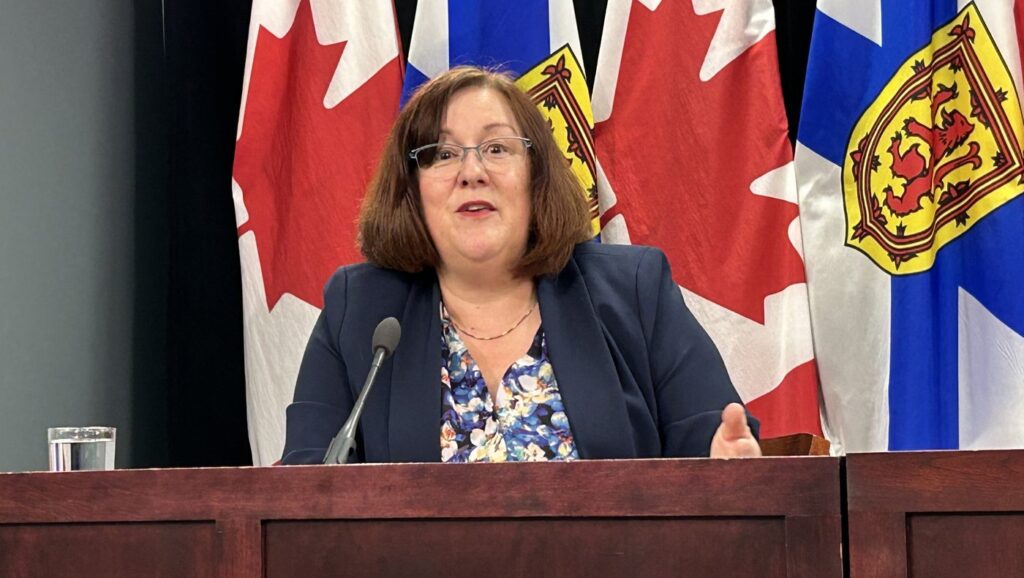
Minister of Inclusive Economic Growth Susan Corkum-Greek has expressed confidence in the government's ability to facilitate the transition of these remaining individuals to alternative housing solutions. She emphasized that a plan is in place to move these individuals into community-based housing options within the next two years. This ongoing effort signifies the government's commitment to fostering an inclusive environment where all individuals, regardless of their disabilities, can live independently within their communities.
The initiative to move individuals with disabilities out of institutions is not only a matter of compliance with legal standards but also underlines a broader societal shift towards inclusivity and respect for human rights. The government is keenly aware of the expectations set forth by the 2021 court ruling and is actively working to address the long-standing issues of discrimination and lack of support for those with disabilities.
The reduction of individuals in institutional care and the planned transitions reflect a growing recognition of the rights of individuals with disabilities to live fulfilling lives integrated into society. As the 2028 deadline approaches, the continued efforts and reforms being implemented by the Nova Scotia government will be closely watched both by advocates for disability rights and by those affected by these policies.
This comprehensive approach aims to not only provide housing solutions but also ensure that the necessary supports and resources are in place to assist individuals with disabilities as they navigate their new living situations. The government's commitment to ending institutionalization marks a pivotal moment for disability rights in Nova Scotia and sets a precedent for other regions to follow suit in promoting equality and accessibility for all citizens.








