

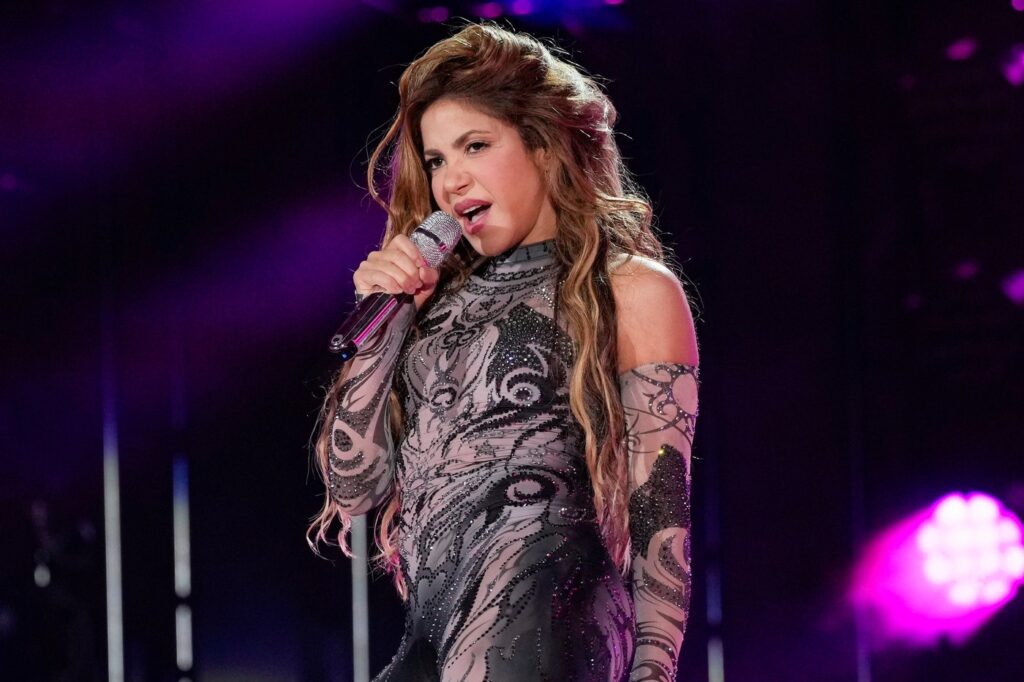
NEW YORK (AP) – The essence of a memorable World Cup anthem has been a topic of discussion as the 2026 FIFA World Cup approaches. The Associated Press engaged with various artists who have previously contributed to World Cup songs, including Colombian superstar Shakira, who collaborated with Afrobeats star Burna Boy for the official anthem “Dai Dai.” Other notable artists include Colombian singer J Balvin, Wyclef Jean, and newcomer Nora Fatehi.
Shakira emphasizes the unifying nature of fútbol, stating, “Fútbol is a thing that unites so many cultures and people of different walks of life.” Her past experience with the 2010 World Cup anthem “Waka Waka (This Time for Africa)” has influenced her approach to crafting songs that encapsulate global emotions. She believes a successful World Cup anthem must possess rhythm, instigate a desire to dance, and allow people to sing along collectively. According to Shakira, it is essential for these songs to convey energy and passion, elements she sees as vital for engaging listeners.
J Balvin, who is part of Coca-Cola’s official song for the 2026 FIFA World Cup, advocates for an immediate hook to capture the audience's attention. He points out that in today’s fast-paced music scene, listeners have a limited attention span. “People’s attention (span) is only like five seconds,” he notes, highlighting the importance of capturing interest right from the start. Balvin argues that a World Cup anthem should reflect the intensity and emotions experienced during a soccer match, a microcosm of highs and lows that fans experience.
Canadian Moroccan singer-songwriter Nora Fatehi focuses on the celebratory aspect of a World Cup anthem. In her contribution, “Siir, Siir,” which is a collaboration with French artist Vegedream and Bangladeshi American DJ Sanjoy, she emphasizes the necessity of a great beat to evoke a sense of victory and achievement. Fatehi aims for the song to invoke feelings of triumph, suggesting that an anthem should make listeners feel as if they have conquered the world, serving as a motivational force in its entirety.
Wyclef Jean, known for his participation in the 2014 World Cup anthem “Dar um Jeito (We Will Find a Way),” stresses the need for an anthem to electrify the stadium atmosphere. Jean articulates that an anthem's rhythm and movement are paramount for capturing the excitement of the event. He also notes the importance of creating a message of unity, which was a central theme of “Dar um Jeito.” Despite the various nationalities of the artists involved, Jean believes that music transcends linguistic boundaries, focusing more on the energy and emotions involved rather than the specific languages used.
Overall, these artists elucidate various components that define an effective World Cup anthem. Whether it’s Shakira’s focus on rhythm and cultural representation, J Balvin’s call for immediate engagement, Nora Fatehi’s emphasis on a victorious sentiment, or Wyclef Jean’s notion of unity through powerful messaging, each perspective contributes to understanding what it takes to resonate during one of the world’s foremost sporting events. As the anticipation builds for the 2026 FIFA World Cup, the insights from these performers underscore the significance of music in forging connections among diverse cultures and celebrating the spirit of teamwork inherent in soccer.








