

BANGUI, Central African Republic (AP) – An Iranian woman is among approximately two dozen migrants expected to arrive in the Central African Republic on a deportation flight from the United States this Friday, according to lawyers involved in the case. This development highlights the Trump administration's contentious agreements with various nations in Africa and Latin America to accept deportees from the U.S., a practice that has garnered widespread criticism.
The Central African Republic, a nation grappling with severe poverty and ongoing conflict, is among at least nine African countries that have consented to accept third-country nationals who are deported by the U.S. The U.S. government has pursued these deportations as part of a broader crackdown on immigration. Advocacy groups have reported that thousands of individuals have been deported to nearly two dozen countries that are not their countries of origin.
Immigration attorneys have pointed out that the Trump administration exploits these third-country deportations as a legal loophole, effectively forcing asylum seekers back to their home nations under the guise of compliance with international agreements. Although it remains unclear how many migrants are on the deportation flight that departed Louisiana on late Thursday, it has been reported that individuals from Iran, Jordan, Armenia, Turkey, Georgia, and Afghanistan are also among those facing deportation.
Initially, three Iranian women in the U.S. were slated for deportation to the Central African Republic. However, according to their immigration lawyer, Sahar Jalili Pawelski, two of these women received emergency court orders that temporarily halted their deportation pending a legal review of the government's actions. All three women had previously been granted judicial protection against deportation to Iran due to credible fears of persecution based on their political opinions or religious beliefs.
In addition, an elderly Syrian man was also scheduled to be deported but was granted a temporary emergency order halting his removal. The U.S. Department of Homeland Security declined to comment on specific cases, citing security reasons for not disclosing details about future removal operations. The U.S. Immigration and Customs Enforcement agency has not provided a timely response to inquiries regarding the matter.
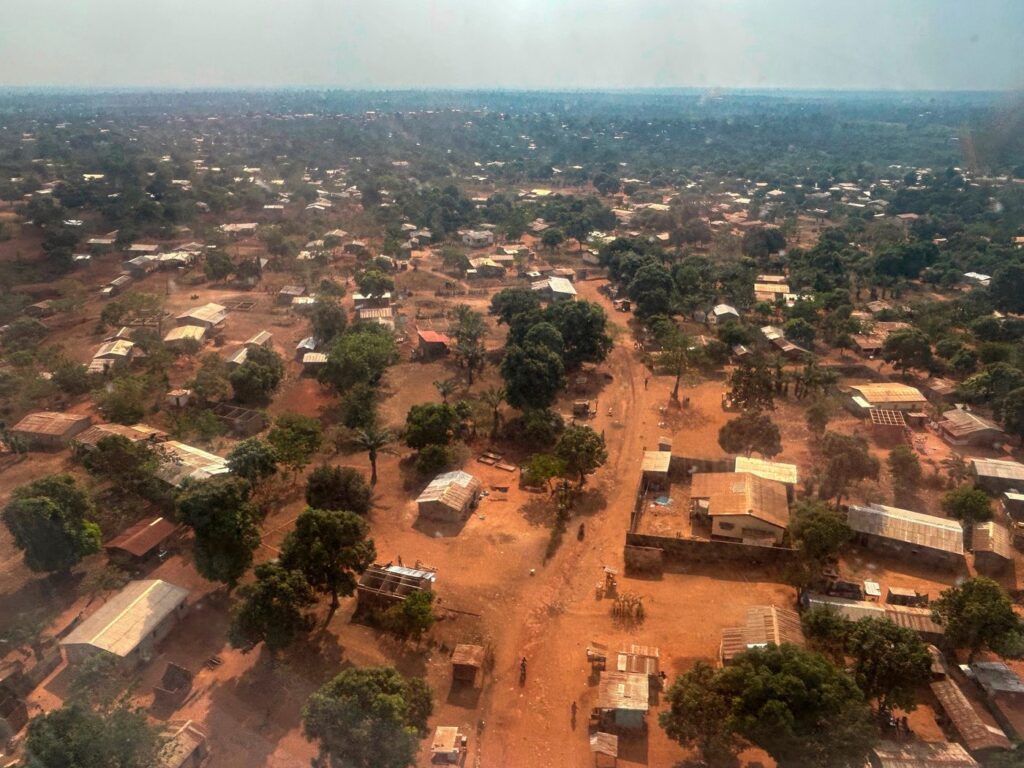
The Central African Republic is entrenched in a conflict involving pro-government forces and various armed groups, making it one of the most impoverished nations globally. Despite possessing extensive gold reserves, approximately one in three citizens lives on less than $2 per day.
This country has also been a significant location for the Wagner Group, a Russian mercenary organization that has played a crucial role in the security apparatus of President Faustin-Archange Touadéra while engaging in hostilities against rebel factions. Despite ongoing tensions between the Central African Republic's leadership and Russia—stemming from Moscow's request for Wagner's forces to be replaced by the Africa Corps, a state-controlled entity—it remains one of Russia’s closest allies in Africa.
Ali Rahnama, head of the Iranian American Legal Defense Fund, has expressed deep concerns regarding the deportation of an Iranian asylum seeker to the Central African Republic, emphasizing the adverse implications due to Russia's influence in the region and its established security ties with Iran.
Banchereau reported from Dakar, Senegal, with additional contributions from Associated Press writer Rebecca Santana in Washington. The incident symbolizes the complexities and ethical concerns surrounding U.S. immigration policies and their impact on vulnerable populations seeking refuge.








