

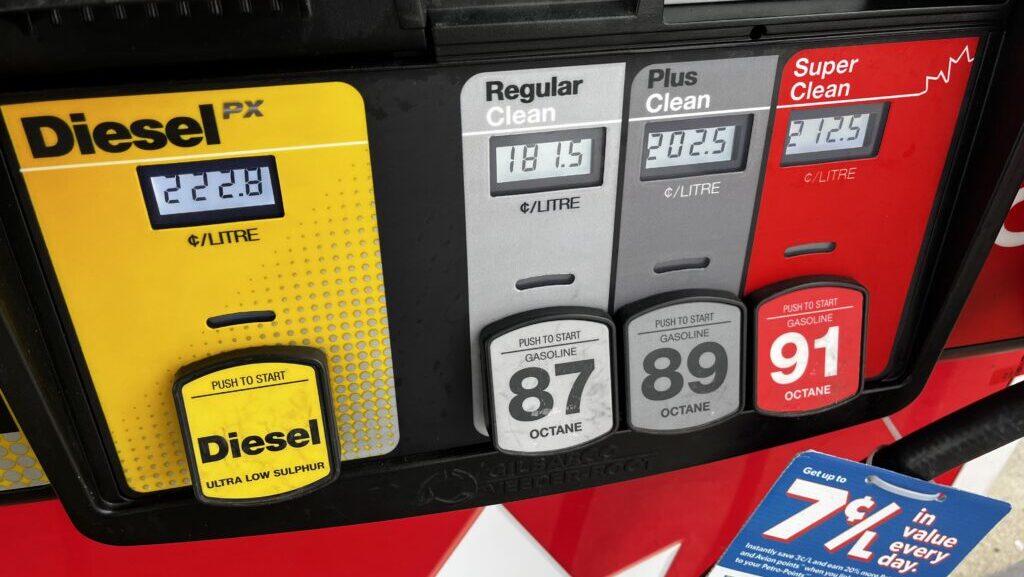
Experts predicted in the spring that rising diesel costs would place a heavier burden on consumers compared to gasoline, a forecast that is now being validated as prices increase significantly. In Nova Scotia, diesel prices surged by 6.7 cents on September 18, following an earlier 14.9 cent increase enacted by the board through the interrupter clause, resulting in a total hike of 21.6 cents within just a few days.
This escalation in fuel prices is expected to have widespread implications on the cost of various goods, impacting everything from groceries to clothing. Trucking companies, responsible for transporting essential items such as produce, pharmaceuticals, and garments across North America, can only absorb a minimal portion of the increased costs. Consequently, this burden is shifting to shippers who face fuel surcharges from carriers and retailers who ultimately sell these goods to consumers.
Gasoline prices have also risen, hitting 196.1 cents per liter on September 18, marking a 5.9 cent increase. This trend in fuel prices is expected to persist, influencing overall inflation and ultimately affecting consumer purchasing behavior and the economy at large.
House Votes on Iran Conflict Continuing to Divide
On September 15, the U.S. House of Representatives voted for the third time to end military involvement in Iran by approving a war powers resolution. This legislation would restrict President Donald Trump’s authority to conduct military operations without congressional approval. The vote concluded with 220 in favor and 204 opposed, mirroring previous attempts this summer, with additional Republican members joining Democrats in support of the resolution. However, none of these resolutions have been transmitted to the president, who would likely veto them.
As the midterm elections approach, this issue is becoming increasingly prominent in political campaigns, with the ongoing conflict in Iran drawing considerable attention. The war, initiated by President Trump on February 28, has seen destructive missile exchanges leading to chaos in the region for nearly seven months.
The Congressional Budget Office reported that the conflict has incurred costs exceeding $38 billion as of August 1. The monthly financial impact of the war is projected to range between $2 billion and $3 billion, dependent on the conflict's intensity. Additionally, it is estimated that inflation will exceed previous forecasts by 0.5 percentage points heading into 2027 due to the ongoing military actions.
These developments reflect a complex interplay of economic and geopolitical factors, with fuel costs affecting consumer prices and military conflicts influencing the fiscal landscape in the United States.








