

EDWARDS AIR FORCE BASE, Calif. (AP) – For decades, Edwards Air Force Base, located in Southern California’s Mojave Desert, has been a significant hub for innovative aviation research in the U.S. This base, situated approximately 100 miles (161 km) north of Los Angeles, has been the site of numerous historical aviation milestones. From testing the first jet-powered aircraft to the safe landing of the Space Shuttle, the base has been synonymous with groundbreaking achievements.
Tragedy struck on Monday when a B-52 bomber crashed shortly after takeoff, resulting in the loss of all eight individuals on board. This incident adds a somber chapter to the base's storied legacy, which has seen both triumph and disaster throughout its history.
To understand the significance of Edwards Air Force Base, it is important to look back at its rich history. The base was officially established to train combat flight crews, and it quickly became a site of pioneering achievements. In 1942, test pilot Bob Stanley flew the first jet-powered aircraft from the base's expansive dry lake bed, which served as an ideal long runway for the early turbojet engines, known for their tendency to “flame out.”
In 1947, Air Force test pilot Chuck Yeager made headlines when he flew the Bell X-1 rocket plane, becoming the first person to break the sound barrier by achieving a speed of Mach 1.05. This historic flight was kept under wraps for nearly a year, during which time there was widespread belief that the British had made the first such flight.
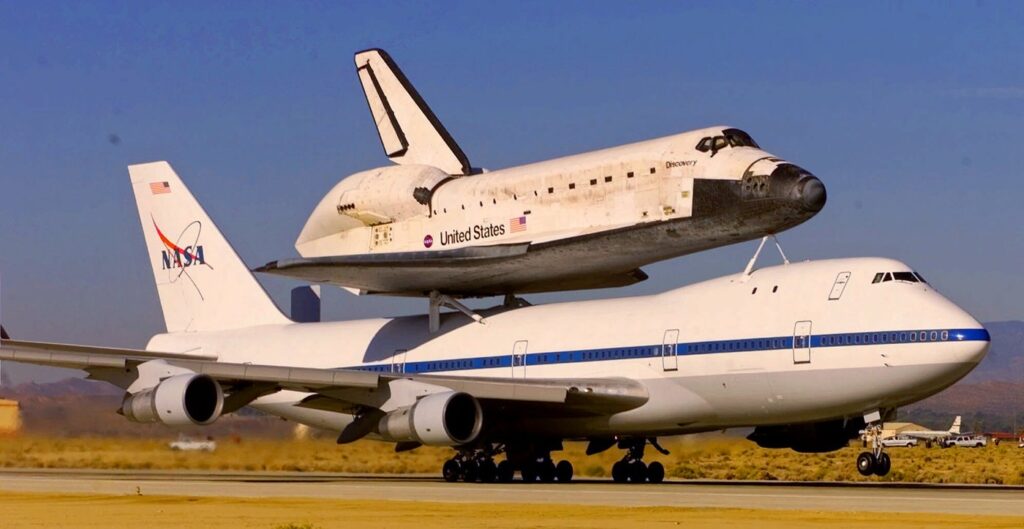
The 1960s marked further advancements in aviation at Edwards, with the achievement of the fastest manned aircraft, which reached Mach 6.72 as well as the first airplane to surpass 314,000 feet (95.7 kilometers) in altitude, allowing its pilot to earn astronaut wings. One of the most notable events occurred in 1981, when astronauts John Young and Robert Crippen successfully landed the Space Shuttle on the same dry lake bed, marking the first time an orbiting spacecraft returned to Earth using rocket power.
Today, Edwards Air Force Base is still regarded as an "irreplaceable national asset," central to the U.S. Air Force's extensive aircraft test and development programs. The base is involved in testing all Air Force aircraft, along with some from the Navy and Army. Encompassed by the 412th Test Wing, Edwards also conducts developmental testing of Air Force weapon systems, software, and components prior to their procurement and throughout their operational life.
In 2025, a B-52 was sent to Edwards equipped with a modern radar system. The test team was slated to carry out ground and flight tests on the aircraft, although it is currently unknown if this particular aircraft was involved in the recent crash.
The B-52 bomber went down during a routine test mission on Monday, providing support for the “radar modernization program,” as stated by Col. James Hayes, the deputy commander for the 412th Test Wing. The crew consisted of both government contractors and military personnel, including two Boeing employees. As of now, the cause of the crash is still under investigation.








