

ROME (AP) - Pope Leo XIV began a summer vacation on Sunday, marking the conclusion of a dynamic first half of 2026. The pope has emerged as a significant global statesman on various pressing issues, including artificial intelligence and international conflicts, while also demonstrating his leadership in managing internal church affairs.
For the remainder of July, Leo is staying at the papal retreat at Castel Gandolfo, the historic summer residence located south of Rome. The American pope has transformed this site into his regular escape for relaxation, sporting activities like tennis and swimming. The Vatican announced that Leo would be there until July 27, with all audiences suspended, and confirmed that he would be residing in the Apostolic Palace overlooking Lake Alban, a shift from the smaller villa he had occupied during his previous vacations.
Upon his arrival, Leo expressed his delight to be at the retreat, stating from the palace balcony, "I am very happy to be here with you, to be able to spend the next few weeks here for a bit of rest, a bit of prayer, a bit of reading, and I hope a bit of sport," eliciting laughter from the crowd. Unlike his predecessor, Pope Francis, who avoided the Castel Gandolfo retreat during his 12-year pontificate and converted the Apostolic Palace into a museum, Leo's extended time at the estate called for a more secure arrangement, prompting a streamlined infrastructure to assist in managing Vatican affairs from the palace.
Last summer, Leo used his time at the estate to focus on his new role after being elected pope on May 8, 2025. Initially, he had expressed the desire to "restore the body and spirit" through a brief rest. However, in the past year, Leo’s papacy has been characterized by decisive decision-making that has left observers astonished. Initially perceived as a quiet papacy focusing on internal matters, the first half of 2026 has instead showcased his assertive stance as an international statesman, particularly in areas where he initially felt least confident.
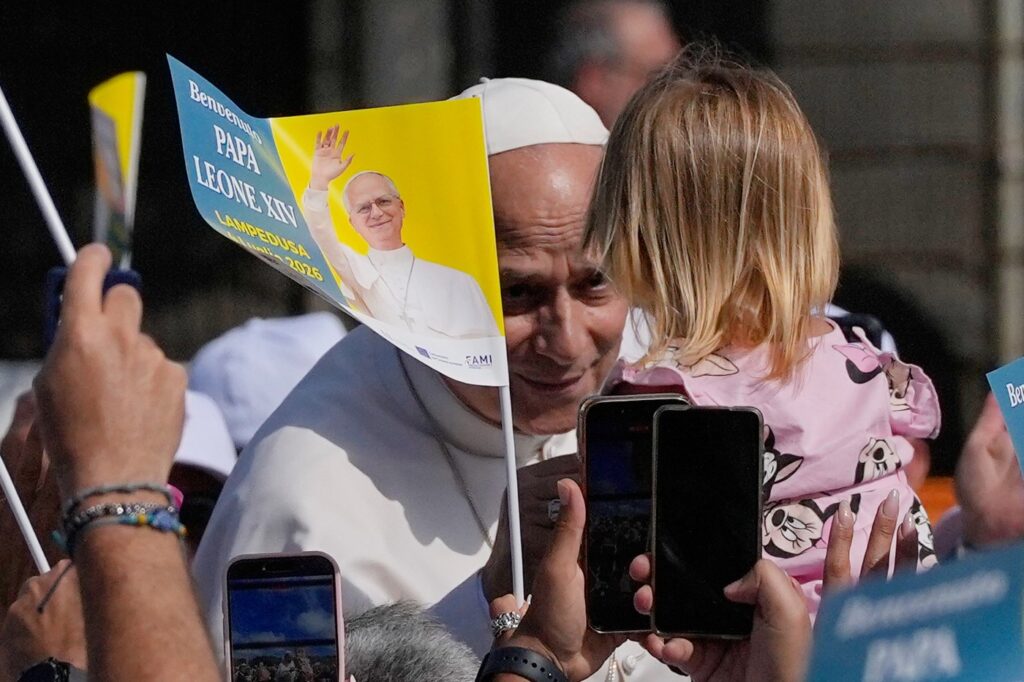
On July 4, the anniversary of U.S. Independence, Leo paid a visit to the Sicilian island of Lampedusa, where he honored the memory of migrants who have perished seeking a better life in Europe. This act came shortly after his visit to Spain, where he similarly acknowledged the plight of migrants at a dock infamous for its poor conditions. Leo aimed his message at Europe, urging it to uphold the dignity of migrants while also reminding the United States of its immigration roots and the Christian obligation to assist those seeking refuge.
The pope has become a prominent voice against the U.S.-Israel war in Iran, especially following a public dispute with former President Donald Trump, during which Leo’s anti-war message has resonated with many, positioning him as a figurehead for peace. His advocacy emphasized the necessity for nations to act with restraint and highlighted the need for a diplomatic approach instead of military aggression.
Additionally, Leo recently released his first encyclical titled "Magnifica Humanitas", where he called for strict regulations concerning artificial intelligence. He denounced the idea of delegating irreversible, lethal decisions to AI, specifically critiquing the deregulation efforts recommended by the Trump administration. Apart from advocating for the responsible development of AI technology, Leo also made a historical apology in the encyclical regarding the Catholic Church's past involvement in slavery, a significant move considering his related family history.
In another noteworthy decision that reflects his authoritative governance, Leo endorsed a declaration by the Vatican that labeled a traditionalist Catholic group, the Society of St. Pius X (SSPX), as being in schism with the Church. This decision led to the excommunication of the group’s bishops and priests, a significant measure that had not been taken in over fifty years. This step illustrates Leo’s commitment to the unity of the Church, emphasizing that his calls for dialogue do not compromise decisive governance.
The recent actions by Pope Leo XIV indicate his ability to maintain coherence within the Church while also reinforcing the central role of the Pope in shaping Catholic doctrine and community order. These developments have discernibly influenced both the Vatican and wider global religious dialogue.








