

NEW YORK (AP) — A tentative deal to end the Iran war has raised questions regarding the potential decline in prices for essential goods, including gasoline, groceries, and airline tickets, which experienced increases during the conflict. However, experts caution that significant price drops may not occur immediately.
Even with the prospect of oil resuming its flow from the Middle East, economists and industry analysts suggest that it could take time for consumers to notice any changes at local fuel pumps and supermarkets. The ongoing fighting over the Strait of Hormuz has not only disrupted crude oil and refined fuel supplies but has also affected supply chains for critical products such as fertilizer and food. As a result, businesses anticipate that higher costs may linger, implying that consumers should brace for continued price pressures.
Brett House, an economist at Columbia Business School, noted, “It is not clear, despite three months of war, that anything has been achieved that makes the American consumer better off. In fact, by almost any measure, not just the American consumer, but the world, is worse off as a result of this attack.”
As the tentative agreement unfolds, experts gauge the potential for price amelioration in various sectors.
For U.S. motorists, some relief at the gas pump may be on the horizon. Following the announcement of the tentative deal, oil prices dropped to approximately $80 per barrel, down from over $120 at the war's peak. However, experts like Michael Lynch from the Energy Policy Research Foundation explain that refineries typically pay for crude oil in advance, meaning cheaper products from these refineries won't reach consumers immediately. Additionally, areas with insufficient refining capacity, such as the West Coast, may take longer to experience price reductions.
Travelers, on the other hand, should not anticipate immediate declines in airfare. Although industry experts have warned that airfares might not decrease right away, airlines frequently purchase fuel in advance and their ticket pricing heavily depends on demand. Columbia’s House reiterated that it is unlikely to see a reduction in flight costs throughout the summer. Some international airlines may even retain fuel surcharges, leading to continued pressure on travelers.
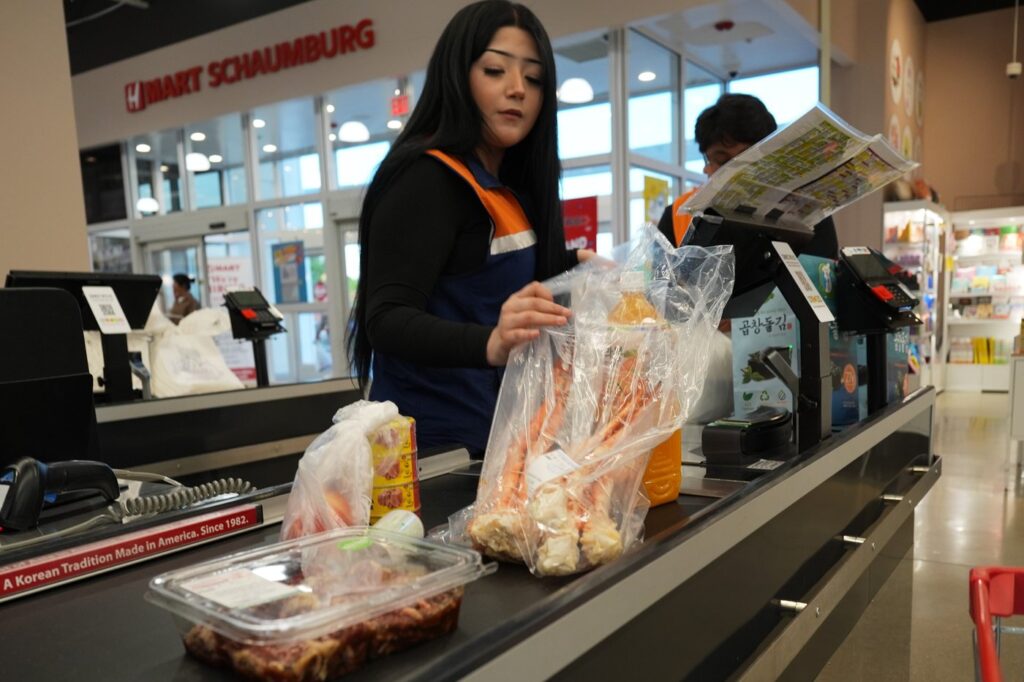
Grocery prices, too, are not expected to see any abrupt relief. David Ortega, a food economics and policy professor, stated that fuel constitutes a significant portion of food costs, and the effects of an energy shock can lead to prolonged inflationary pressures on grocery prices. Rabobank predicts that food price inflation related to the war may peak sometime next year in Europe and indicate a rise of 3.2% in U.S. grocery prices for the current year, higher than the historical average of 2.6%.
Farmers worldwide are experiencing challenges with fertilizer availability, crucial for food production. The closure of the Strait of Hormuz has significantly affected fertilizer supply chains, raising prices dramatically. There are concerns that without adequate fertilizer, the achievement of expected crop yields may be compromised, leading to further strain on food availability and prices.
Retailers also remain cautious regarding cost reductions. Many shoe retailers hope decreasing fuel prices will spur consumer spending during the back-to-school shopping season; however, they expect their production costs to remain elevated due to constraints in supply chains. Despite a two- to three-month inventory buffer for footwear, future orders will likely involve higher material costs.
Finally, the shipping industry continues to feel the effects of the conflict, with alterations in fuel pricing impacting shipping costs especially in the short term. Estimates suggest that fuel surcharges will persist for online consumers for the foreseeable future, affecting the availability of certain products.








