

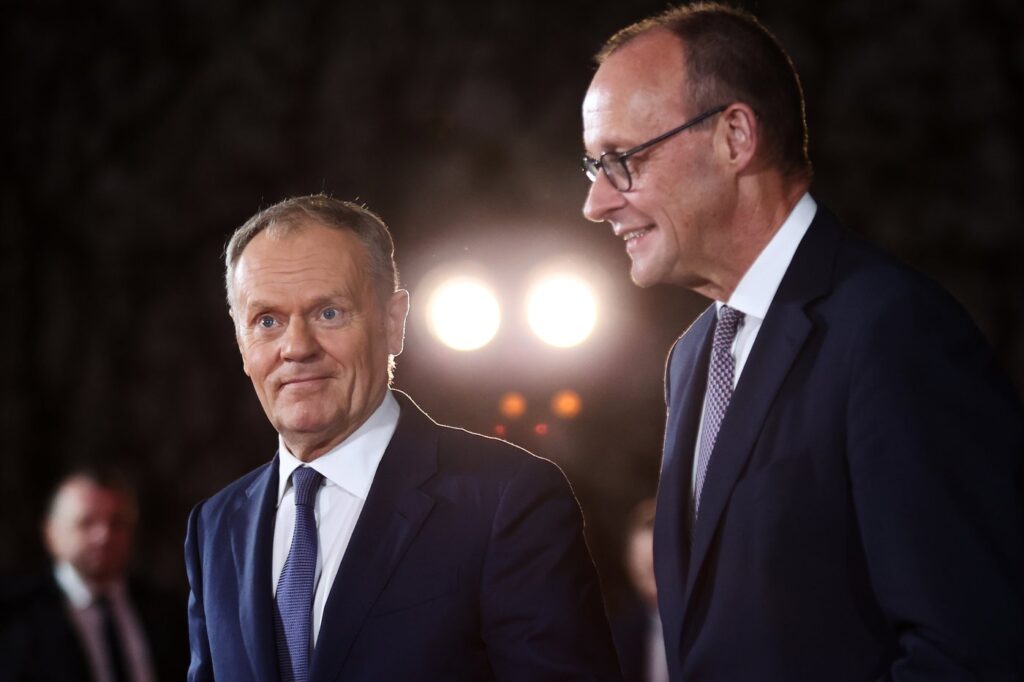
WARSAW, Poland – Germany and Poland are on the verge of signing a new defense agreement, a significant step towards strengthening European military cooperation amidst escalating tensions with Russia and an uncertain future regarding U.S. involvement in Europe. This agreement arises from a backdrop of pragmatic developments in the bilateral relations between the two nations, particularly following Russia's full-scale invasion of Ukraine in 2022 and Poland's shift to a liberal government in 2023.
As the United States considers a partial drawdown of its military footprint in Europe, Poland is eager to engage its major allies, particularly Germany, to bolster the defense of the continent's eastern flank. Concurrently, Germany is seeking reliable partners to revitalize its military, the Bundeswehr, which has languished in neglect for decades. Germany aims to establish itself as a cornerstone of European defense by developing the strongest conventional army within NATO.
Poland's strategic role as a logistics hub for Ukraine, coupled with its fast-growing economy and substantial defense investments, positions it as an essential partner for not just Germany but other key European nations as well. “We Germans need a strong Poland as an equal partner,” remarked German Chancellor Friedrich Merz after a meeting with liberal Polish Prime Minister Donald Tusk in December, reiterating the importance of this alliance in Germany’s interests.
The forthcoming defense agreement is poised to address several aspects crucial for regional security, including the protection of the Baltic Sea region, military mobility, infrastructure development, cyber defense, and advancement of new technologies. Both countries are intrinsically linked by NATO defense frameworks, which assign Germany a pivotal role in the defense of the Baltic states, in collaboration with Poland and other central and eastern European nations.
Justyna Gotkowska, deputy director of the Warsaw-based think tank Center for Eastern Studies, highlighted that “Germany is largely responsible for the defense of the Baltic states and without cooperation with Poland, that will not happen.” With the Baltic nations considered highly vulnerable to potential Russian aggression, this partnership is viewed as more essential than ever.
Despite the positive strides in defense cooperation, historical grievances linger, complicating negotiations. The defense agreement is expected to reaffirm NATO and EU mutual defense obligations but lacks the political declarations found in bilateral treaties that both nations have signed with France and the United Kingdom recently. Polish Foreign Minister Radoslaw Sikorski expressed concern over the political implications, noting that any treaty signed with Germany would likely face significant domestic backlash, given the historical context of World War II reparations claims that Poland has made against Germany.
As Poland gears up for general elections next year, the reparations debate could resurface, creating further challenges for Tusk's administration in balancing national interests with international cooperation. Tusk has been vocal about the need for Germany to expedite compensation for victims of the occupation during the war, underscoring the sensitive nature of historical relations.
While Poland's role in European security is increasing, Germany often opts for collaboration with traditional Western European allies, such as France and the UK, when addressing issues related to Ukraine or Iran. During a meeting in London on June 7, 2023, the three countries engaged with Ukrainian President Volodymyr Zelenskyy, sidelining Poland in discussions vital to the future of the region. Tusk voiced frustrations at being excluded from significant dialogues, stating that “any arrangements made without our participation will not be respected or binding for us.”
Former German ambassador to Poland, Rolf Nikel, further stressed the importance of Poland's rising significance within Europe and NATO, advocating for its recognition and respect. Gotkowska echoed this sentiment, indicating that the dynamics of power within Europe have shifted, necessitating a reevaluation of roles and contributions among member nations.








