

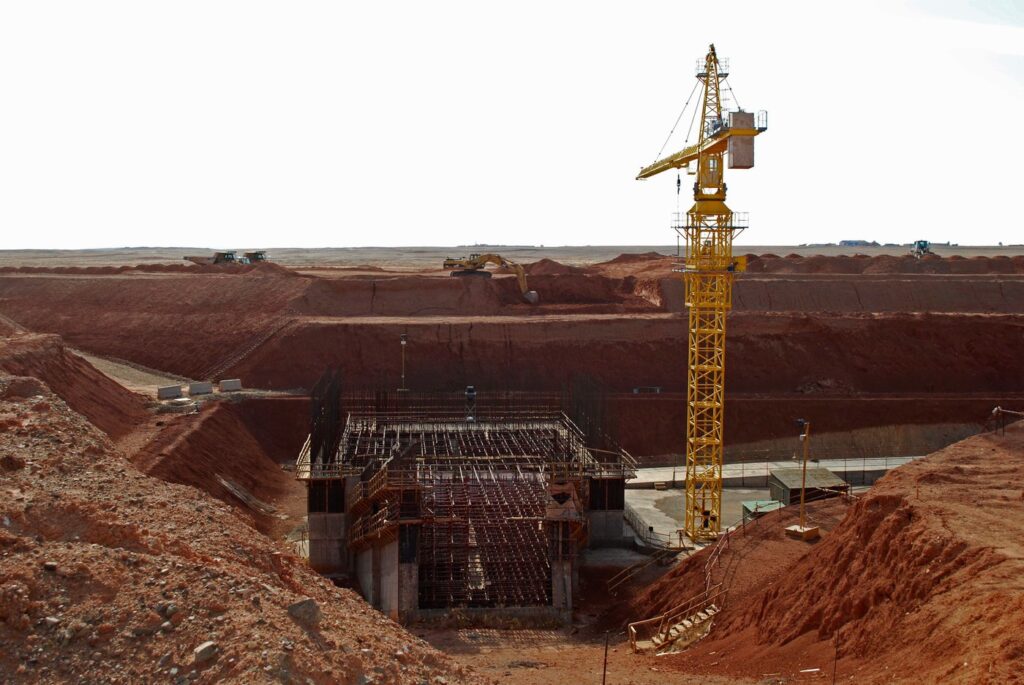
On Wednesday, protesters from the Radical Reform Movement blocked copper exports from the massive Oyu Tolgoi mine in Ulaanbaatar, Mongolia, effectively disrupting the supply of a crucial mineral for China's renewable energy ambitions. This protest highlights a long-standing demand in Mongolia for a more equitable distribution of mining revenues, particularly amidst persistent poverty in a country abundant in natural resources.
The Oyu Tolgoi mine, located approximately 80 kilometers (50 miles) north of the Chinese border in the Gobi Desert, is anticipated to become the fourth largest copper mine in the world once it reaches full operational capacity. The mine is a joint venture, with the British-Australian mining giant Rio Tinto holding a 66% stake and the Mongolian government owning the remaining 34%. The mine also contains significant gold deposits, contributing roughly 9% to Mongolia's tax revenues.
The Radical Reform Movement aims to secure a larger share of the mining revenues for the Mongolian populace, where the economic benefits of the mineral wealth have not been equitably shared. Videos shared by the protesters on social media showcased a small group gathering at a barricade on a two-lane road surrounded by a barren landscape, displaying a white banner that read "Stop Rio Tinto" in bold red letters. The blockage not only aimed to draw attention to their cause but also raised concerns about the potential economic repercussions for both Mongolia and China, as copper is essential for electric vehicles and renewable energy installations.
Although it remains uncertain whether this protest is a singular event or the onset of a more extended confrontation, the consequences of a prolonged blockage could be significant. Rio Tinto reported that shipments of copper concentrate were halted due to the road closure. They warned of substantial financial losses, estimating that a weeklong disruption could result in a loss of 35 billion Mongolian Tugrik (approximately $13.3 million) for the Mongolian government.
In response to the protests, Mongolian Prime Minister Uchral Nyam-Osor convened a Cabinet meeting where he directed the justice and internal affairs minister to enforce laws against any unlawful obstruction of business operations. This indicates the government's commitment to maintaining order and facilitating business activities in the country.
The Radical Reform Movement's call for the expulsion of foreign investors reflects the growing sentiment among some Mongolians for a reevaluation of the current mining agreements. While not all government officials share this radical view, there are discussions about potentially renegotiating terms with Rio Tinto to ensure that Mongolia receives a fairer share of the benefits derived from its mineral wealth.
This ongoing situation draws attention to the intricate balance between foreign investment and local demands for equitable resource distribution, as Mongolia navigates its economic challenges amidst a backdrop of significant mineral reserves and the pressures of global markets, particularly from neighboring China.








