

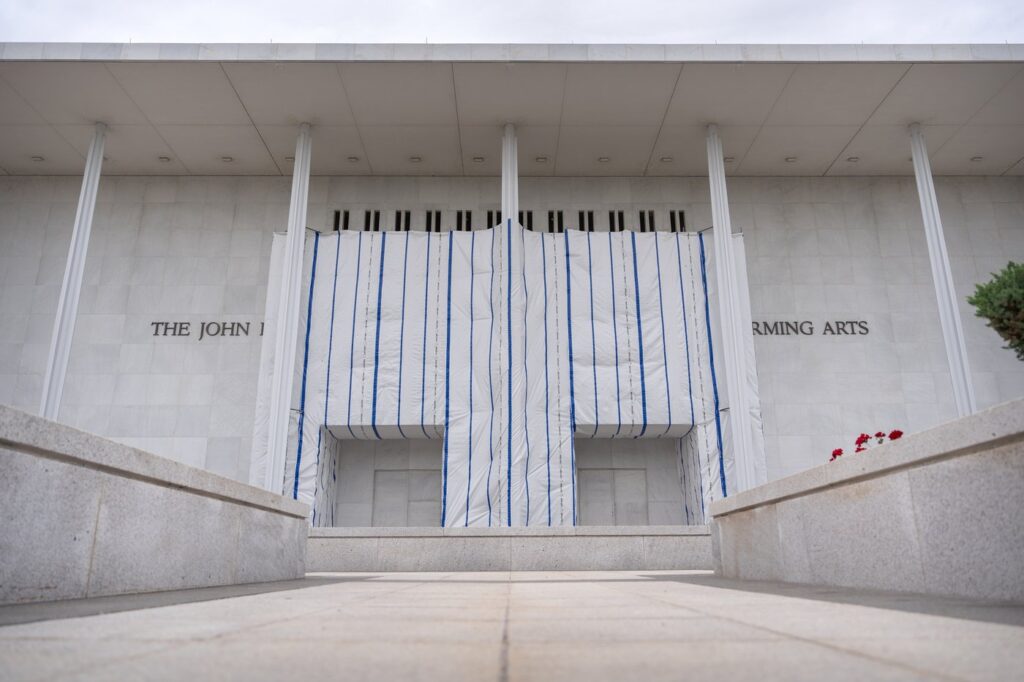
The Kennedy Center in Washington, D.C. is navigating a complex legal and operational landscape as it adjusts its plans following a federal court ruling. The institution's management has refrained from committing to new programming or enhancing its staff, even as considerations around renovation plans evolve. Initially set to close for renovations on July 5, the Kennedy Center is now considering maintaining an operational model that would permit public access to its spaces while keeping its stages largely silent.
In a court filing submitted on a recent Friday, Kennedy Center lawyers noted that the recent court order did not obligate the institution’s Board to reschedule previously canceled programming or to introduce new performances. The lawyers emphasized that the venue is adopting a cautious approach to its future operations, as it navigates the implications of the ruling from U.S. District Judge Christopher Cooper. This ruling blocked many directives established by a board influenced by Donald Trump and mandated the removal of Trump’s name from the building.
Judge Cooper's decision prompted significant shifts in the Kennedy Center’s strategy. In the ruling, he instructed that Trump’s name be removed from the structure and halted the planned closure. Subsequently, the Kennedy Center’s team has been working on several renovation strategies, which they intend to present to the board for a vote. These strategies include a complete shutdown, a partial closure that would permit limited programming, or a phased approach to addressing critical infrastructure needs while keeping a robust programming slate intact.
Currently, the exact nature of these recommendations has yet to be finalized, with a vote anticipated by mid-July. However, Rep. Joyce Beatty, a Democrat from Ohio and an ex-officio member of the board, has raised concerns about the Kennedy Center's compliance with the court's directives. Although Trump’s name has been removed, there are lingering issues, including a tarp that obscures the areas where the name was displayed, which has not been removed promptly.
Beatty’s legal team contends that the Kennedy Center's lack of initiative to resume any form of programming effectively amounts to a closure of the institution, contradicting Judge Cooper's ruling. They argue that actions taken by the management, which include significant staffing cuts and cancellations of programs, suggest a premeditated shutdown that lacks sufficient transparency and accountability.
The situation at the Kennedy Center highlights broader tensions surrounding arts funding, governance, and operational management. As the venue grapples with its future, the actions taken in the coming weeks will likely shape not only its operational viability but also its culturally significant role in the performing arts landscape.








