

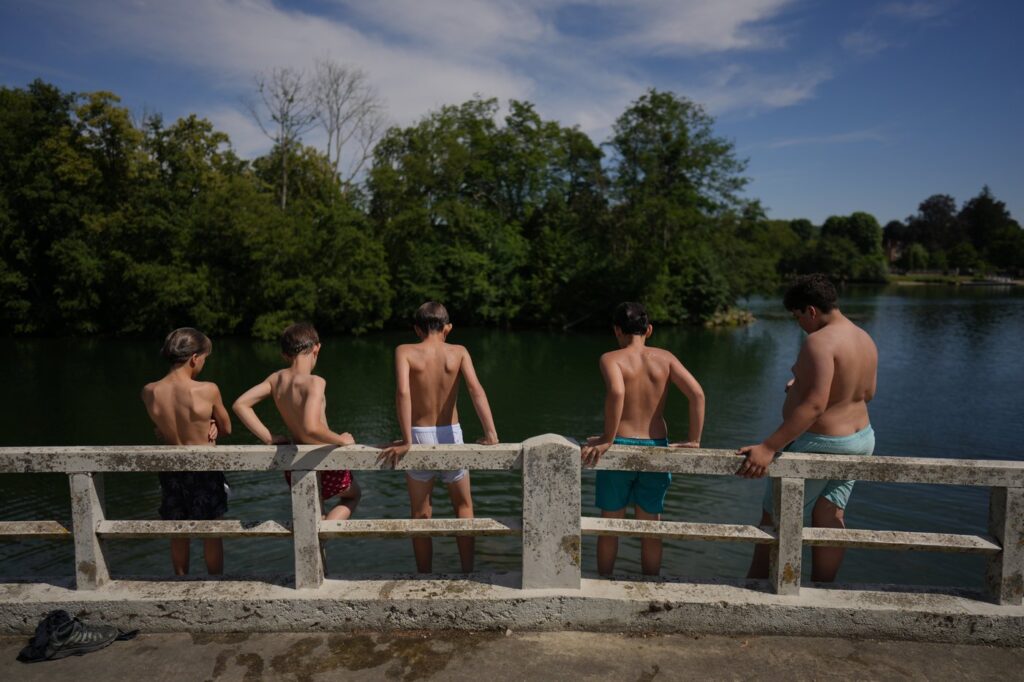
France is currently under a heat wave that has prompted the government to take significant measures in response. Emergency services and military forces have been put on high alert as thousands of outdoor events, including the annual Music Day celebrations, face new restrictions aimed at ensuring public safety. Approximately one-third of the country is under a national weather service's heat red alert as high temperatures are anticipated to soar to around 40°C (104°F) in some areas on a Sunday. The extreme conditions are expected to persist, with even hotter temperatures projected for Monday.
To counter the sweltering heat, public venues such as the Eiffel Tower in Paris have installed misting stations to help cool down crowds. Local and national authorities have introduced various measures to minimize health risks during this period. This proactive approach comes in light of recent data from the World Health Organization's Europe office, which reported that more than 200,000 people across Europe have died from heat-related causes over the past four years, many of which were preventable. With above-average temperatures expected throughout the summer, the risk of heat exhaustion and life-threatening heat stroke remains a significant concern.
The WHO has urged countries to implement comprehensive heat plans, including opening cooling centers and providing flexible work schedules to shield workers from the extreme midday sun. In France, authorities are particularly alarmed about vulnerable populations, such as the elderly living alone or in nursing homes. The 2003 heat wave, which resulted in the deaths of approximately 15,000 older individuals, serves as a grim reminder of the potential dangers associated with extreme heat.
On the occasion of France's annual Music Day, the government has imposed restrictions on public alcohol consumption. This measure aims to ensure that emergency services can dedicate their attention to those most in need during the celebration, which includes thousands of concerts and gatherings across the country. Authorities emphasize the importance of prioritizing the safety and well-being of participants, particularly given the potential for health crises in such high temperatures.
In addition to these restrictions, the French government has reinforced wildfire readiness and ordered closer surveillance of water supplies designated for the country's many nuclear reactors. Although schools will remain open unless absolutely necessary, there may be adjustments to end-of-year exams scheduled for the afternoons, allowing for rescheduling to the following morning.
Prime Minister Sébastien Lecornu convened a heat crisis meeting on Saturday, announcing plans for an additional meeting on Sunday. The national weather service described the current heat wave as "widespread, long-lasting, and intense," highlighting the urgent need for coordinated government action. Lecornu has tasked government ministers with preparing strategies to better adapt to future heat waves, which may include measures such as improving access to air conditioning where required.








