

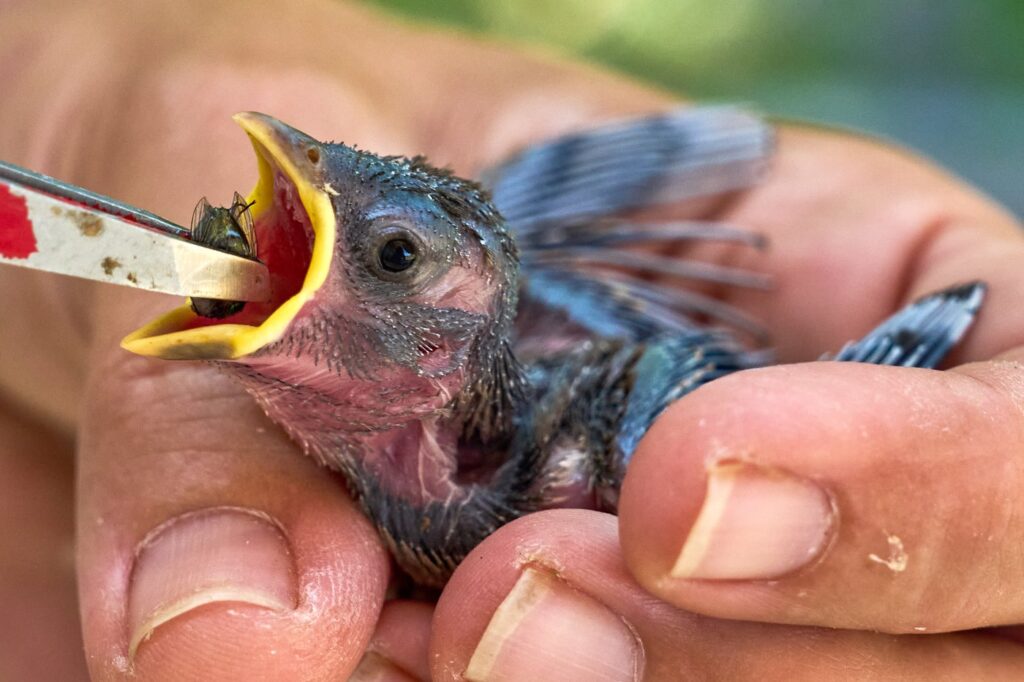
As Europe experiences extreme heat, the impact extends beyond human discomfort, significantly affecting wildlife, particularly birds. These creatures are integral to ecological systems worldwide, facilitating vital processes such as pollination, pest control, seed dispersal, and serving as indicators of environmental health.
According to David Bird, an emeritus professor of wildlife biology at McGill University, birds exhibit remarkable diversity and are well adapted to withstand periods of high temperatures. They maintain an elevated body temperature, typically around 38 degrees Celsius (100 degrees Fahrenheit). To cope with heat, birds may alter their feather positioning, enhance airflow through their specialized air sacs, and exhibit behavioral adaptations.
However, every bird species has a threshold for heat tolerance, similar to humans. Aimee Van Tatenhove, a postdoctoral fellow at the Cornell Lab of Ornithology, notes that species residing nearer to the poles are often more vulnerable to high temperatures than their equatorial counterparts. Prolonged and intense heat, like what is currently affecting Europe, could be approaching the maximum heat tolerances for many birds, risking their health and even life.
Unlike mammals, birds do not sweat but employ alternative methods to regulate their body temperature. Certain species will "gape," opening their beaks and panting akin to dogs, while others utilize "gular fluttering," a technique where they flutter the skin of their neck pouches to cool down. They often seek shaded areas or cool off in birdbaths and shallow water sources, aiming to lower their body temperatures.
For individuals encountering birds during such extreme heat, experts offer several recommendations. While complete protection for birds is challenging amid ongoing heat waves, people can assist by placing shallow water sources in safe locations, ensuring these baths are kept clean. Additionally, filling bird feeders can provide accessible food for birds that may be reluctant to forage in the intense sun, especially as insect populations decline due to climate change and pollution.
Over the long term, creating shaded environments within yards—such as having layers of vegetation with small shrubs and taller trees—can provide refuge for birds. If direct intervention isn't feasible, it's advisable to allow birds to manage themselves in these heat conditions, as they instinctively know what temperatures are comfortable for them. Birds tend to find lower places to perch when seeking cooler temperatures.
Regarding other wildlife affected by the heat, experts caution against intervening by offering unfamiliar food or water or attempting to shelter them indoors. In cases where sick or injured animals are found, the best recourse is to contact local wildlife rehabilitators. They are trained to recognize signs of heat stress, which can mimic disease symptoms in wild animals, ensuring the appropriate care is administered.
Lisa Duke, sanctuary grounds manager at the W.K. Kellogg Bird Sanctuary affiliated with Michigan State University, emphasizes that the best course of action for wildlife is to let them remain in their natural state. Wildlife possesses inherent knowledge about their needs and how to cope with environmental challenges.








