

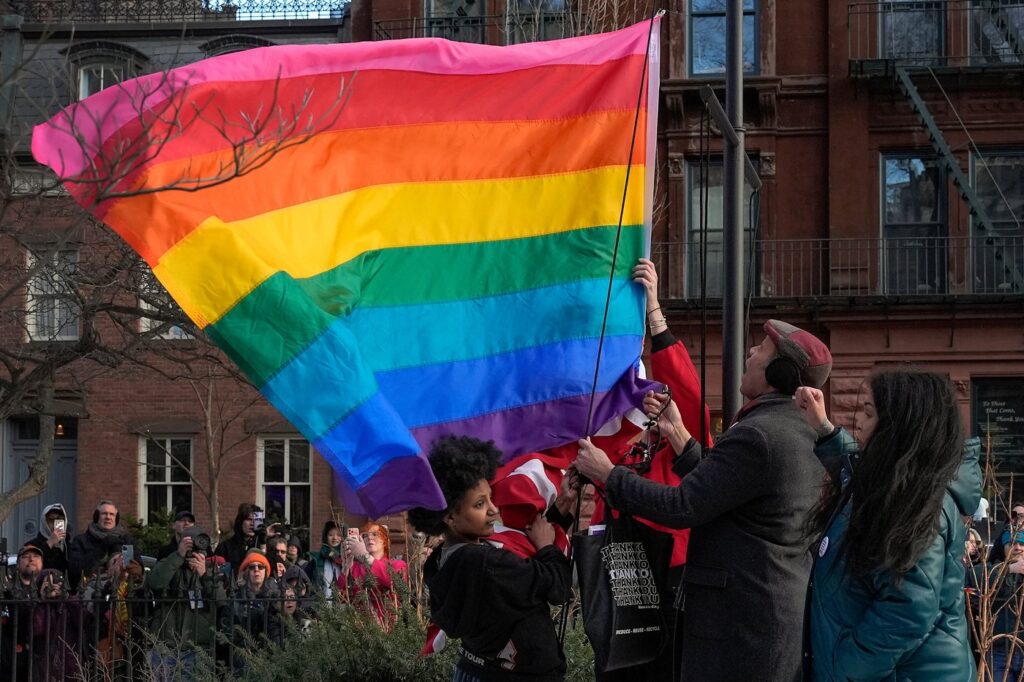
Pride Month celebrations are reaching their peak on Sunday, particularly with significant parades taking place in major cities like New York and San Francisco. This timing coincides with the anniversary of the 1969 Stonewall uprising, a pivotal moment that catalyzed and revolutionized the modern LGBTQ+ rights movement.
Pride events serve a dual purpose of celebration and activism, often reflecting the current political climate and cultural attitudes towards LGBTQ+ rights. This year’s series of parades and festivals in the United States occur against the backdrop of President Donald Trump’s administration rolling back transgender rights and diversity initiatives. Notably, earlier this year, the administration removed a rainbow Pride flag from the Stonewall National Monument, though they ultimately relented following a lawsuit.
Chris Piedmont, a spokesperson for New York's parade organizers Heritage of Pride, emphasized the importance of such events in a climate where LGBTQIA+ symbols and events are being marginalized. Piedmont stated, “As LGBTQIA+ events and symbols are being erased, it’s vital that our community have safe spaces to show up and march to make clear: We are here. We will not be erased.”
In parallel, multiple Republican governors have established conservative-themed designations for the month of June, such as “Nuclear Family Month,” openly portraying these initiatives as countermeasures to Pride. Some notable Republican figures, including Vice President JD Vance, have criticized responses from Major League Baseball regarding certain players who added Bible verses to rainbow-themed Pride Night caps.
Amid these politically charged environments, both the NYC Pride March and the San Francisco Pride Parade continue to uphold their long-standing legacies as some of the largest and oldest Pride celebrations globally. Both events trace their origins back to 1970, marking the Stonewall rebellion on June 28, 1969, during which patrons at the Stonewall Inn, a gay bar in New York, resisted a police raid, igniting a significant wave of activism.
The Stonewall Inn remains a bar today, with the Stonewall monument situated across the street in a small park, about half a mile from the closest point on the Pride March route. In addition to the main events, the Queer Liberation March is also scheduled for Sunday in Manhattan, created by activists who perceive the Pride March as overly corporate and official.
This year, there has been pressure from transgender rights activists demanding that Pride organizers prohibit certain New York City hospitals from marching due to recent announcements that these institutions will cease providing treatments for transgender youth. This decision comes in light of potential funding threats from the Trump administration, which has also resulted in some hospitals receiving federal Justice Department subpoenas for transgender patients' medical records. A judge has temporarily blocked the enforcement of these document demands.
Heritage of Pride stated that discussions are ongoing with the hospitals regarding these concerns, clarifying that parade contingents are organized by LGBTQ+ employee groups rather than the hospital administrators responsible for care decisions. An inquiry has been made to the San Francisco Pride organizers regarding if they face similar challenges.
Other cities hosting Pride parades on Sunday include Seattle, where this year's World Cup soccer match contributed a Pride dimension after efforts by the countries involved—Iran and Egypt—to have celebrations canceled were unsuccessful.








