

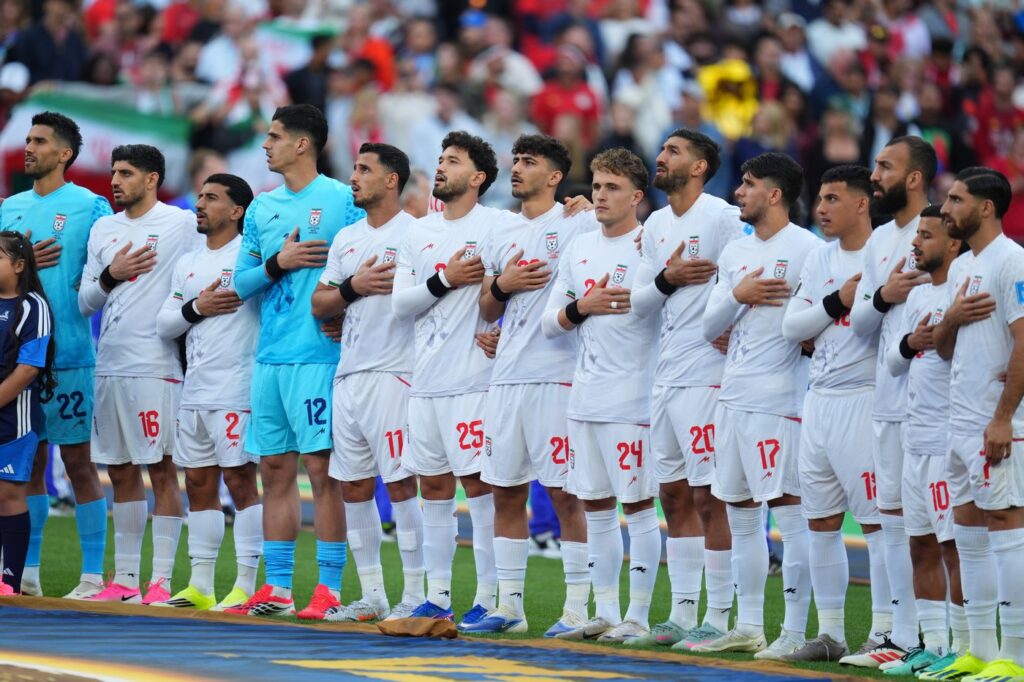
Iran has been eliminated from the World Cup, falling short of advancing past the group stage in a politically charged tournament characterized by tight restrictions imposed by the United States. The Iranian national team, despite their efforts, finished third in Group G, narrowly missing out on progressing to the round of 32, accumulating only three points through draws against Belgium, New Zealand, and Egypt.
The Iranian squad appeared to have a chance to advance when Algeria scored a dramatic stoppage-time goal against Austria, but the match ended in a tie, ultimately sealing Iran's fate. This elimination marked a poignant conclusion to a World Cup plagued by challenges and tensions both on and off the field.
Throughout the tournament, Iran's performance was overshadowed by geopolitical issues, with Tehran involved in negotiations with Washington regarding a deal to halt the ongoing war that began earlier that year. The situation escalated when Iran launched a drone attack on Bahrain, which hosts the U.S. Navy's 5th Fleet, following airstrikes by the United States. In retaliation, the U.S. struck multiple Iranian military targets after claims that Iran attacked a vessel near the Strait of Hormuz.
Iran's national team, led by coach Amir Ghalenoei, faced numerous logistical hurdles, including travel restrictions, visa denials for support staff, and the necessity to leave the U.S. swiftly after matches. U.S. officials maintained that all restrictions were outlined prior to the tournament.
The conflict between the U.S. and Iran kicked off on February 28, when U.S. forces attacked Iran, prompting retaliatory measures from Iran, including asserting control over the strategically vital Strait of Hormuz. In March, Iran attempted to relocate its group-stage matches to Mexico due to its diplomatic ties with the country, and this request was granted shortly before the team's arrival.
Following Iran's elimination, the team expressed gratitude towards the Mexican people and the city of Tijuana, where they had been based. Their statement reflected the emotional strain of leaving after a challenging campaign.
The World Cup matches also saw protests from Iranian Americans, who rallied outside stadiums, advocating for change in Iran while some members displayed the pre-revolutionary lion-and-sun flag. The stadium atmosphere was charged, with boos and cheers greeting the pre-game national anthem during matches.
During their initial matches near Los Angeles, the Iranian squad faced immense restrictions, unable to travel until the day prior and required to return to Mexico immediately post-game. The U.S. later relaxed some travel limitations, allowing the team to travel to Seattle in advance of their match against Egypt. Had they advanced, their next match would have been held in Vancouver, British Columbia.
In a statement after the draw with Egypt, which left Iran's hopes of progression alive, Ghalenoei criticized the treatment his team received. He emphasized the historical significance of the players’ experiences amidst these circumstances, highlighting the challenges imposed by the host nation.
Overall, Iran's World Cup journey reflected deep-seated issues intertwining sports with international tensions, ultimately leaving the team and its supporters grappling with the complexities of their situation as they exited the tournament.








