

MONTREAL – Valery Fabrikant, the notorious figure responsible for the tragic shooting at Concordia University in 1992, passed away in a Quebec prison on Saturday. Fabrikant, who had been serving a life sentence since June 8, 1993, reportedly died of apparent natural causes at the age of 86, according to a news release issued by Correctional Service Canada on Sunday.
The incident occurred on August 24, 1992, when Fabrikant, who was a former professor of mechanical engineering at Concordia University in Montreal, opened fire inside the university's engineering department building. This violent act resulted in the deaths of four professors and left a secretary wounded. Fabrikant's actions were reportedly motivated by his impending dismissal from the university, alongside allegations that his colleagues had wrongfully appropriated his work.
Fabrikant's incarceration was marked by his continued defiance and refusal to take responsibility for his actions. In 2020, the Canadian Parole Board evaluated his request for release, ultimately denying it based on the assessment that he would pose an undue risk to society. The board's decision highlighted that Fabrikant had not acknowledged the gravity of his crimes, as he continued to maintain that he had not intentionally targeted innocent individuals, even after spending 28 years behind bars.
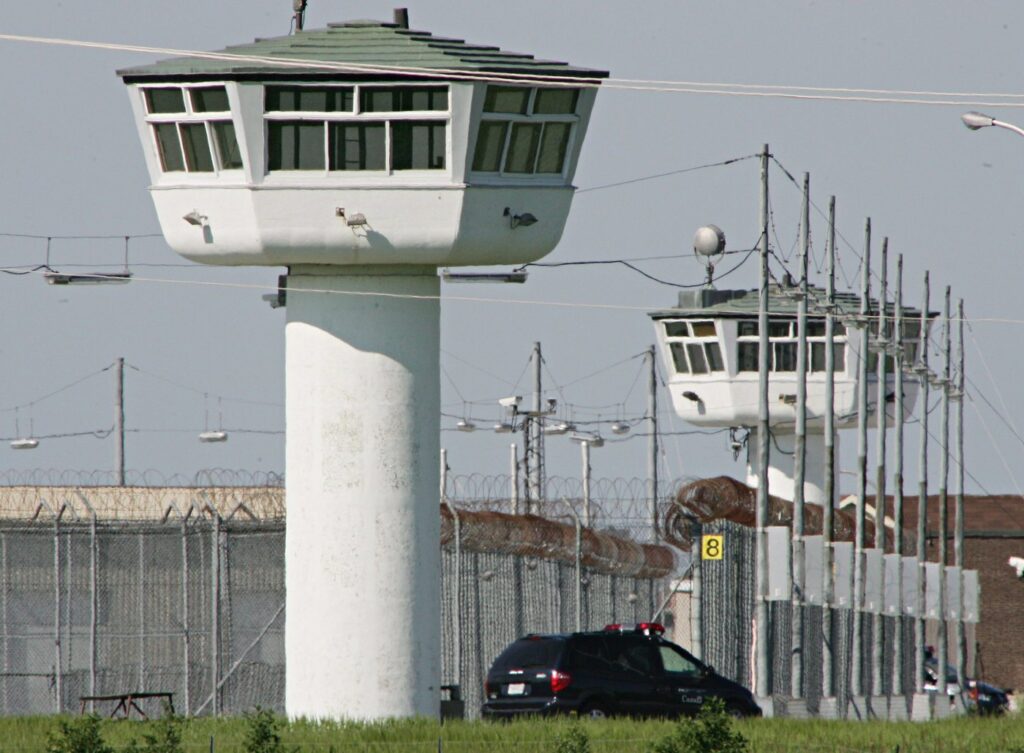
Fabrikant's death occurred at Archambault Institution, a medium- and minimum-security prison located in Sainte-Anne-des-Plaines, Quebec. This facility is situated in the Laurentians region, which is known for its natural beauty and recreational opportunities. The complex history surrounding Fabrikant's crime continues to resonate within Canadian society, sparking discussions on issues related to mental health in academia, workplace grievances, and campus safety.
The ramifications of the Concordia University shooting have had long-lasting effects on the institution and the community at large. The tragic events prompted changes in security protocols within educational settings, as well as a broader conversation about the welfare of faculty and staff in high-pressure academic environments. Fabrikant's case remains a somber reminder of the potential consequences of unaddressed grievances and the importance of providing support to individuals in distress.
As the news of Fabrikant's passing circulates, reflections on his life and actions may reignite discussions about the complexities of crime, punishment, and the societal structures that influence individual behavior. Although he is no longer a physical presence, the legacy of his tragic actions will continue to be felt and examined by those seeking to understand the impact of his heinous crime.








